Starting your Dungeons & Dragons (D&D) adventure in 2026 is a fantastic idea. The recent stability in game editions and the cultural momentum surrounding D&D make it an opportune time to jump in. The updates have resolved many common pain points that new players faced, making it easier to learn and enjoy the game.
With free Basic Rules available online and backward compatibility for older content, you can start playing without a hefty investment. Plus, the cultural landscape has shifted dramatically in favor of D&D, with shows and games propelling it into the mainstream.
…
What you’ll learn in this article
- 🎲1Why 2026 is a unique moment to start playing D&D.
- ✅2Recent changes in D&D rules and accessibility for beginners.
- 🔎3How to find friendly D&D players and groups in your area.
- 🧙4♂️ Digital tools and Virtual Tabletop (VTT) platforms to enhance your gameplay.
- 🎉5Recommended starter products and kits for new players.
- 🛠6️ Practical steps to create your first D&D character quickly.
- 📅7How to run or join your first session with confidence.
- 🗺8️ Tips for creating maps, tokens, and engaging handouts.
- 🔗9Resources and tools to support your D&D journey.
- ❓10Answers to frequently asked questions about starting D&D in 2026.
- 🎲11Automation & Shortcuts for Busy Players and GMs
- 🎲12Marketplaces and Complementary Resources (Where to Get Assets)
- 🎲13Cost, Time Commitment, and Realistic Expectations for 2026 Starters
- 🎲14Trends and Why Getting In Now Pays Off (2026 and Beyond)
- 🎲15Resources & complementary tools (name, description, why useful, URL)
- 🎲16Frequently Asked Questions (short answers)
1. Why 2026 Is a Unique Moment to Start Playing D&D
Starting your Dungeons & Dragons (D&D) adventure in 2026 is a fantastic idea, and here’s why: the recent stability in game editions and the cultural momentum surrounding D&D make it an opportune time to jump in. The 2024 revision of the 5th Edition (5e) core rulebooks has resolved many common pain points that new players faced, such as complex mechanics and unclear rules.
This means you’ll find it easier to learn and enjoy the game without getting bogged down by confusing rules. Plus, with free Basic Rules available online and backward compatibility for older content, you can start playing without a hefty investment.
1.1 Recent edition stability and official support
The 2024 revised core rulebooks have brought significant improvements to the D&D experience, making it more welcoming for newcomers. These updates have clarified the action economy (the way actions are performed in a turn), simplified combat mechanics, and streamlined character creation processes.
This stability means that as a new player, you can expect a consistent gameplay experience without major rule changes mid-campaign. Official support is another huge benefit for new players, with resources like D&D Beyond offering digital tools that simplify character creation and rule lookup.
1.2 Cultural momentum: media, streaming, and mainstream acceptance
The cultural momentum surrounding D&D in 2026 is undeniable. The success of various media, from popular streaming shows to blockbuster films, has significantly increased interest in tabletop gaming. These platforms not only entertain but also educate viewers about the game mechanics and storytelling aspects of D&D.
This means that as a beginner, you’ll find a wealth of content that can help you learn the ropes and enhance your gameplay experience. Moreover, the visibility of D&D in popular culture has made it easier to find like-minded individuals to play with.
2. What’s Changed in Rules, Accessibility, and Editions by 2026
As we approach 2026, several significant changes in D&D rules and accessibility make it an even more inviting time to start playing. The 2024 revision has introduced core rule updates that simplify gameplay, making it easier for newcomers to grasp the essentials within just a couple of hours.
Accessibility improvements have also been prioritized, ensuring that everyone can enjoy the game regardless of their circumstances. High-contrast character sheets, screen-reader-friendly PDFs, and audio descriptions are just a few examples of how D&D is becoming more inclusive.
2.1 Core rule updates and optional rules that benefit beginners
The 2024 core rule updates have introduced several optional rules that are particularly beneficial for new players. For example, the simplified combat rules allow for a smoother experience during battles, reducing the chances of confusion about actions and bonuses.
There are also modular mechanics you can choose to scale the complexity of the game based on your comfort level, which is perfect for beginners who may want to ease into the more intricate aspects of D&D over time.
2.2 Accessibility improvements: digital character sheets, font options, screen readers
Accessibility has become a cornerstone of D&D’s evolution, especially by 2026. Digital tools like D&D Beyond offer various features designed to make character creation and gameplay easier for everyone.
Moreover, voice-activated sheets and text-to-speech options are now available, making it easier for players with motor or hearing impairments to participate actively. By incorporating these accessibility features, D&D is not just a game; it’s a community that welcomes players from all walks of life.
3. Community & Discovery in 2026: Finding Players and Games
Finding a group to play D&D with in 2026 has never been easier, thanks to the plethora of platforms available for community building and player discovery. Local game stores often host ‘Learn to Play’ nights, where beginners can meet experienced players and get a taste of the game in a supportive environment.
Additionally, online platforms like StartPlaying.games and various LFG (Looking For Group) apps make it simple to connect with others looking to play.
3.1 Platforms to find groups (in-person & online)
To find a D&D group in 2026, you have several effective platforms at your disposal. StartPlaying.games is an excellent option for connecting with paid GMs and finding games that suit your interests.
Local game stores often run events and LFG nights, which can be a fantastic way to meet fellow players in your area. Additionally, Reddit’s r/DnD and r/NewToDnD forums are valuable resources for finding people who are eager to welcome new players.
3.2 How communities welcome new players: LFG tips
Communities are increasingly welcoming to new players, making it easier than ever to join a game. Many tables are labeled as ‘new players welcome,’ which indicates a friendly atmosphere where experienced players are willing to help newcomers learn the ropes.
When reaching out to GMs or groups, it’s essential to communicate your experience level and any specific preferences you have. Don’t hesitate to ask if the game is suitable for first-timers, and be open about what you’re looking for in a gaming experience.
4. Digital Tools, VTTs and Why They Make 2026 Beginner-Friendly
Digital tools and Virtual Tabletop (VTT) platforms are transforming how new players engage with D&D. In 2026, platforms like D&D Beyond, Roll20, and Foundry have become more user-friendly, allowing beginners to dive into the game with minimal hassle.
These tools provide essential features like automated character sheets, rule lookups, and encounter builders that streamline the gameplay experience. The ease of access to these resources means you can focus on storytelling and character development rather than getting bogged down in rules.
4.1 Comparison of major VTTs and their friendly features
When choosing a VTT for your D&D sessions, it’s essential to consider which platform aligns best with your needs as a beginner. D&D Beyond excels at character building and offers seamless integration with official content.
Roll20 is known for its dynamic lighting and marketplace features, which enhance the visual experience. Foundry, while requiring a one-time purchase, offers extensive customization options for those who want a tailored experience.
| Platform | Strengths | Cost |
|---|---|---|
| D&D Beyond | Character building, rules automation | $0–$6/month |
| Roll20 | Dynamic lighting, marketplace | $0–$10/month |
| Foundry | Custom modules, performance | $50 one-time |
| Owlbear Rodeo | Simplicity, no login required | Free |
4.2 Quick setup: 4-step VTT getting-started (example for Roll20/Foundry/FG)
Getting started with a VTT like Roll20 or Foundry can be a straightforward process if you follow these simple steps:
- Sign Up: Create an account on your chosen VTT platform.
- Import/Create Characters: Use the character creation tools to set up your character or import a pre-generated character.
- Upload Map: Find or create a map to use for your session and upload it to the platform.
- Invite Players: Share the game link with your friends and conduct a quick tech check to ensure everyone can connect.
5. Starter Products & Kits: What to Buy (and What to Skip)
When starting your D&D journey in 2026, selecting the right starter products can significantly impact your experience. Two excellent options for beginners are the Dragons of Stormwreck Isle and Heroes of the Borderlands starter sets.
These kits provide everything you need to get started, including pre-generated characters, a beginner-friendly adventure, and essential rulebooks. Additionally, the free Basic Rules available online allow you to familiarize yourself with the game without any initial investment.
5.1 Recommended physical starter sets and digital bundles
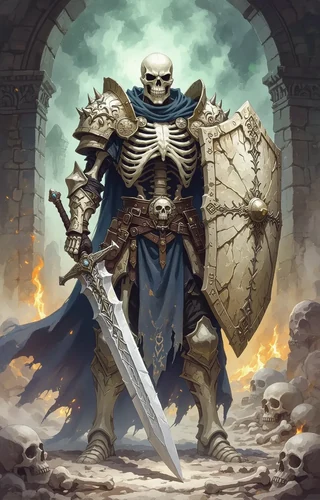
For those just starting, I highly recommend the following physical starter sets and digital bundles:
- Dragons of Stormwreck Isle Starter Set: This kit offers a beginner-friendly adventure and pre-generated characters, making it perfect for new players.
- Heroes of the Borderlands: Another excellent starter set that provides a solid foundation for your first campaign.
- D&D Beyond Digital Bundles: The digital bundles available on D&D Beyond often include essential rulebooks and adventures at a reasonable price.
5.2 Budgeting: entry-level cost breakdown (first year estimates)
As a beginner, it’s essential to have a clear understanding of the costs involved in your first year of D&D. Your initial investment can range from as low as $0 (using free resources) to around $100 if you opt for some starter kits and digital subscriptions.
In your second year, ongoing costs typically range from $10 to $30 per month, which can cover subscriptions and occasional asset buys. This gradual scaling allows you to manage your budget effectively while still enjoying the game.
6. How to Build Your First D&D Character — Fast Procedure + 2 Examples
Creating your first D&D character can feel overwhelming, but it doesn’t have to be! With a straightforward four-step procedure, you can have a playable character ready in no time.
Here’s how to do it:
- Choose Your Role: Determine if you want to be a tank, healer, stealthy rogue, or spellcaster.
- Select Your Class and Race: Pick a class and a race that complements your character’s abilities.
- Assign Your Stats: Use a standard array or point-buy system to assign stats.
- Equip and Note Key Abilities: Choose your starting equipment and write down any special abilities or features your character has.
6.2 Example build A: Beginner-friendly Fighter (tank/support)
Let’s look at a beginner-friendly Fighter as an example. Fighters are known for their durability and straightforward mechanics, making them perfect for new players. You could choose a Hill Dwarf for extra hit points and Constitution boost, focusing on high Constitution and Strength.
This build allows your Fighter to use a sword and shield to protect allies, taking the brunt of enemy attacks. You can choose the Defense fighting style to increase your Armor Class, making it harder for enemies to land hits.
6.3 Example build B: Social Spellcaster (simple roleplay spells)
For a different playstyle, consider a Social Spellcaster like a Bard. Bards are versatile and can easily engage in social interactions while providing magical support.
In this build, focus on spells like Charm Person for social situations and Healing Word for backup support. You could also choose the College of Lore subclass to enhance your skills and gain more spells.
7. How to Run (or Join) Your First Session: Practical Steps for Players & GMs
Getting ready for your first D&D session can be exciting yet nerve-wracking. Whether you’re playing or running the game as a GM, preparation is key to making the experience enjoyable for everyone involved.
For players, here’s a simple approach to prepare:
- Review Your Character Sheet: Familiarize yourself with your character’s abilities.
- Set 2-3 Goals: Think about what you want to accomplish during the session.
- Join the VTT: Log into the VTT platform a few minutes early to ensure everything is working.
- Confirm Dice Method: Make sure you know how rolls will be handled.
- Post-Session Update: Consider sharing your thoughts with your group after the game.
7.2 5-step GM one-shot setup for new players
As a new GM, setting up your first session can feel daunting, but it can be simplified by following these steps:
- Pick a Starter Adventure: Choose a one-shot adventure designed for beginners.
- Prepare Pregenerated Characters: Create or download pregenerated characters for your players.
- Outline 3 Key Encounters: Plan three main encounters that will guide the story.
- Gather Quick NPC Notes: Have notes ready for any NPCs your players might interact with.
- Test Rolls: Run through a few rolls to familiarize yourself with the mechanics.
8. One-Hour Beginner One-Shot: Beat-by-Beat Outline with Encounters
Running a one-hour session can be a fantastic way to introduce newcomers to D&D. Here’s a simple structure to follow that keeps the game moving while allowing for exploration and engagement.
This outline breaks your session into four key beats, each with a suggested time limit:
- 0–10 minutes: Hook: Introduce the scenario and set the stage for the adventure.
- 10–25 minutes: Exploration: Allow players to explore the area and gather information.
- 25–45 minutes: Combat: Engage players in the main encounter.
- 45–60 minutes: Twist/Wrap: Introduce a twist and provide a quick resolution to the session.
8.2 Encounter examples, maps, and negotiation/skill challenges
For your one-shot, consider these three types of encounters to keep things dynamic:
- Combat Encounter: A group of goblins attacks the players.
- Social Encounter: Players might need to negotiate with a frightened villager for information.
- Skill Challenge: Introduce a trap or obstacle that requires players to use their skills.
9. Tools for Creating Maps, Tokens, and Handouts (Practical Workflows)
Creating engaging maps and tokens can elevate your D&D game, making it more immersive for players. Here’s a simple workflow to get you started on crafting your own assets.
Using Procreate and asset packs can streamline your map-making process. Here’s how:
- Set Up a Canvas: Open Procreate and create a new canvas with your desired dimensions.
- Base Terrain: Use a brush to lay down the base terrain for your map.
- Stamp Assets: Import and stamp down vegetation, buildings, or other features.
- Add a Grid Layer: Overlay a grid for reference, then export your map.
- Import to VTT: Finally, import your map into your chosen VTT.
9.2 Cheap/fast token production and animation tips
Creating tokens for your characters can add a professional touch to your game. Here are two quick methods:
- Pre-Made Token Packs: Purchase or download token packs from marketplaces.
- DIY Tokens: Crop art to a circle, add a border, and save as a transparent PNG.
10. Group Management, Safety Tools, and Table Agreements
Creating a safe and respectful gaming environment is crucial for an enjoyable D&D experience. Here’s how to implement group management and safety tools effectively.
Establishing safety tools in your group can help everyone feel comfortable and respected. At the beginning of your first session, explain what the X-card and lines and veils are.
10.1 Using lines and veils, X-card, consent scripts — 3-step setup
Introduce the tools at the beginning of your session and collect preferences from players regarding content boundaries. Make it clear that if someone uses the X-card, the game will pause to address the issue.
Reinforce that using these tools is a sign of a healthy gaming table, encouraging players to communicate openly about their comfort levels.
10.2 Scheduling, attendance, and conflict mitigation tools
Managing a gaming group can be complex, but simple tools can ease scheduling and attendance issues. Utilize scheduling tools like Doodle or When2Meet to find common availability among players.
Establish a policy for attendance, such as ‘no penalty for a single missed session,’ to reduce stress for players.
11. Automation & Shortcuts for Busy Players and GMs
In today’s fast-paced world, automation and shortcuts can save you valuable time during your D&D sessions. Tools like D&D Beyond offer macros and stat block automation, which can significantly reduce your prep time.
Set up three essential macros for your game, such as tracking initiative, rolling attack damage, and applying conditions. By having these ready, you’ll spend less time on calculations and more time enjoying the adventure.
12. Marketplaces and Complementary Resources (Where to Get Assets)
When starting your D&D journey in 2026, knowing where to find quality resources is crucial. Online marketplaces like D&D Beyond, Roll20, and Etsy offer a plethora of assets, including battlemaps, tokens, and character sheets.
Start with a small investment and scale your assets as you become more comfortable with your game. Focus on file types, resolution, and licenses when evaluating bundles.
13. Cost, Time Commitment, and Realistic Expectations for 2026 Starters
Starting your D&D adventure in 2026 can be budget-friendly and manageable. The initial costs can range from $0 to over $100 for books and tools, with a first month’s budget around $30 if you choose to invest in materials.

As you progress into your first year, you can expect to spend between $150 and $300, with ongoing costs in your second year around $10 to $30 per month for subscriptions.
14. Trends and Why Getting In Now Pays Off (2026 and Beyond)
The D&D landscape is evolving, and getting involved in 2026 presents a unique opportunity. Trends such as AI-assisted tools and VR VTT experiments are making the game more accessible and engaging.
As the community continues to grow, early adopters can take on leadership roles and benefit from the expanding market, giving you a head start in content creation or community engagement.
15. Resources & complementary tools (name, description, why useful, URL)
- D&D Beyond: A comprehensive platform for rules and digital tools. Visit D&D Beyond
- Roll20: A popular virtual tabletop for online play. Visit Roll20
- StartPlaying.games: Connects players with paid Game Masters. Visit StartPlaying.games
- Game Master Toolbox: A vast library featuring 350,000 maps. Check it out here
- 8000 D&D tokens: A diverse pack of tokens for your characters. Find it here
- Procreate Fantasy Map-Making Brush Kit: Ideal for creating custom maps. Explore it here
16. Frequently Asked Questions (short answers)
How much does it cost to start playing D&D? Costs can range from $0 to over $100 for books and tools. Expect to spend around $30 in your first month if you choose to invest in some materials.
How long does it take to learn the basics of D&D? You can grasp the basics in about 1–2 hours and feel ready to jump into your first session soon after.
What’s the best way to find a beginner-friendly group? Platforms like Reddit, Discord servers, and local game stores offer excellent opportunities to connect with welcoming groups.
Do I need to know the rules before I join a game? Not at all! Many groups are open to new players and will help you learn the rules as you play.
How much will it cost to play D&D regularly in 2026? You can expect ongoing costs of about $10 to $30 per month for subscriptions and occasional asset purchases.
Fox’s take
In summary, 2026 is a fantastic year to start playing D&D, thanks to its updated rules, accessible resources, and supportive communities. As you take your first steps into this exciting world, remember to utilize the tools and tips shared here to enhance your experience.
Whether you’re gathering friends for a one-shot or diving into a full campaign, the adventure awaits! So grab your dice, choose your character, and get ready to create unforgettable stories together. Happy adventuring!
FAQ
Is 2026 really the best year to start playing D&D?
Yes, due to updated rules and increased cultural momentum.
What minimal gear do I need to start playing in 2026?
You need dice, a character sheet, and access to Basic Rules.
How do I find a beginner-friendly group online or in my city?
Check local game stores or use platforms like StartPlaying.games.
Do I need to know the rules before I join a game?
No, many groups welcome new players and teach as you play.
How much will it cost to play D&D regularly in 2026?
Ongoing costs typically range from $10 to $30 per month.
Sources
- alldeadgenerations.blogspot.com
- comicbook.com
- dungeonsanddragonsfan.com
- dungeonsanddragonsfan.com
- roll20.net
- screenrant.com
- startplaying.games
- boardgamesdallas.com
- dndbeyond.com
- dndbeyond.com
- dndbeyond.com
- dragonsfoot.org
- enworld.org
- enworld.org
- etsy.com
- etsy.com
- etsy.com
- etsy.com
- etsy.com
- etsy.com
- etsy.com
- etsy.com
- etsy.com
- etsy.com
- etsy.com
- etsy.com
- etsy.com
- etsy.com
- etsy.com
- etsy.com
- etsy.com
- etsy.com
- etsy.com
- geeknative.com
- geeknative.com
- hipstersanddragons.com
- youtube.com
- youtube.com