
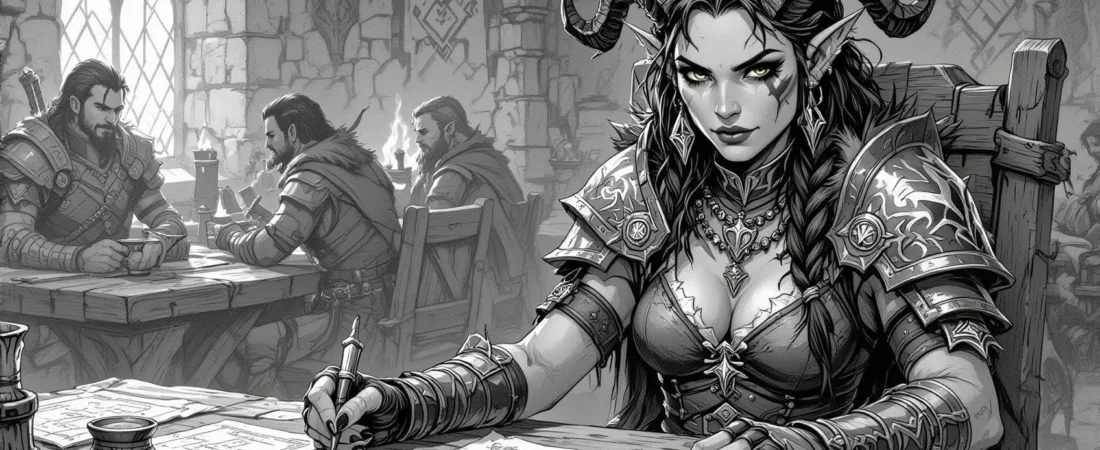
In the world of tabletop RPGs, quick encounter design is essential for maintaining player engagement and ensuring that sessions flow smoothly. This guide will explore various techniques, templates, and tools to help you create encounters that are both fun and fast-paced.
By understanding the core principles of quick encounter design, you can better balance fun and speed, leading to a more enjoyable gaming experience for everyone involved. Let’s dive into the key aspects of designing quick encounters.
…
What you’ll learn in this article
- 🎲1Understand the core principles of quick encounter design for engaging gameplay.
- ✅2Learn how to balance fun and speed by simplifying mechanics and focusing on player choices.
- 🔎3Discover encounter types and when to use them, including skirmishes and social encounters.
- 🧙4♂️ Explore pacing examples for 5-minute, 10-minute, and 20-minute encounters.
- 🎯5Use mechanics-first heuristics for quick math and HP calculations to balance encounters.
- 📋6Create and utilize one-page encounter templates for faster prep and execution.
- ⏱7️ Implement fast prep workflows to streamline encounter design in under 10 minutes.
- ⚙8️ Leverage virtual tabletops (VTTs) like Roll20 and Foundry for quick encounter setups.
- 🗺9️ Design clear, small-scale maps that enhance engagement without overwhelming players.
- 🚀10Learn player-facing tricks to keep the action moving and maintain game momentum.
- 🎲11Three example quick encounters (fully detailed)
- 🎲12Common mistakes and quick fixes
- 🎲13Resources & complementary tools (catalog with URLs)
- 🎲14Implementation checklist and suggested routines
1. Core principles of quick encounter design
What ‘quick’ means (duration goals, player experience targets)
When I think about what “quick” means in encounter design, I aim for compressed table time, typically lasting between 5 to 20 minutes. The goal is to create encounters that are engaging, clear, and focused on a single dramatic question—essentially, what is at stake for the players? For example, if you set a 5-minute encounter, it should be a straightforward challenge that allows players to make meaningful decisions quickly. Announcing your target duration and stakes before starting can help set the right expectations, making sure everyone is on the same page.
To further enhance the experience, consider defining emotional stakes, such as protecting an NPC or saving a beloved artifact. This can quickly increase player investment and urgency. You might also tie narrative beats to a single sensory hook, like a distinctive smell or sound, to convey the stakes in just one sentence. This not only sets the mood but also keeps the encounter focused and engaging.
Balancing fun vs. speed: trade-offs and priorities
Balancing fun and speed in quick encounter design is about prioritizing meaningful choices over mechanical complexity. To achieve this, I often recommend limiting the number of enemies and simplifying their stats. For instance, instead of using several different enemy types, consider having a single, more powerful foe or a small group of weaker enemies. This allows players to engage in tactical decision-making without feeling overwhelmed by choices. Additionally, rewarding good decisions while avoiding punishing marginally worse rolls can help maintain a fun atmosphere during quick encounters.
In short encounters, it’s also essential to focus on action-economy heuristics instead of full Challenge Rating (CR) calculations. This means understanding how many actions your players can take versus how many enemies they face. A general rule of thumb is to prefer player-facing options that resolve within 1 to 3 rounds. If a turn stalls, I like to have a fallback option, such as an automatic dodge or a last-action rule, to keep the game moving quickly.
2. Encounter types and when to use them
Combat skirmishes, social micro-encounters, environmental checks
Encounter types can be classified into Immediate Combat, Potential Combat, and Social/Puzzle categories. Each type serves a different purpose and should fit the rhythm of your session. For example, if your players are feeling tense and need a quick release, a social micro-encounter could provide a light-hearted moment before diving back into action. On the other hand, if the tension is high, an Immediate Combat encounter will keep the adrenaline flowing.
When designing encounters, it’s essential to define one clear success condition and 1-2 mechanical hooks. A stealth encounter might reward players for careful planning, while a chase might require quick decision-making. Be mindful of pacing and engagement—stealth encounters could ideally last 5-10 minutes, while chases might take 8-12 minutes, allowing players to feel the urgency without becoming overwhelmed.
Pacing examples: 5-minute, 10-minute, 20-minute encounters
To help you plan your encounters, I recommend using concrete pacing examples. For a 5-minute encounter, you might set it up for 1-2 rounds with minimal enemies, focusing on quick resolutions. In contrast, a 10-minute encounter could involve 3-4 rounds, allowing for a bit more complexity without losing momentum. For a 15-20 minute encounter, consider an objective-driven scenario with 4-6 rounds, where players have clear goals and stakes, such as defending a location or escaping a collapsing building.
Each pacing example should include an expected player decision time of around 30-45 seconds per turn. Additionally, incorporating ending triggers, such as enemy defeat or the completion of an objective, can help maintain focus and urgency. For instance, in a 10-minute skirmish, you might have the players face a group of goblins, with the encounter ending once they defeat the goblin leader.
3. Mechanics-first heuristics for fast balancing
Quick math: HP, damage, action economy shortcuts
When designing quick encounters, using mechanics-first heuristics can save you time and ensure balanced gameplay. A straightforward way to determine total enemy hit points (HP) is to use the formula: total enemy HP = multiplier × (party level × party size). This way, you can quickly adjust the difficulty based on your party’s size and level without delving into complex calculations. For example, if you have a party of four level 5 characters, a good starting HP total for a standard encounter might be around 40-60 HP for a single enemy.
Another useful heuristic is to adjust HP based on action economy. If your players outnumber the enemies by more than 2:1, consider reducing enemy HP by 20-30%. Conversely, if you’re using a solo boss, you may want to increase their HP by 25-50% to maintain a challenging encounter. By quickly calculating these numbers, you can keep the encounters flowing without slowing down to crunch numbers.
Example calculations for 3 PC levels
To illustrate these heuristics further, let’s consider three example calculations for different party levels. For a party of three level 3 characters, you might want to set a total enemy HP of around 30-45. For a mixed composition, such as three level 5 characters and one level 5 caster, you could aim for a total HP range of 50-75 for the enemies. Finally, for a party of four level 7 characters, an effective HP total would be around 70-100, depending on the encounter’s complexity.
By providing these examples, you can help GMs quickly gauge how to balance encounters based on their party’s composition. Additionally, including a quick reference table for HP targets based on party level will make it even easier for GMs to find the right balance.
| Party Level | Total Enemy HP (Low) | Total Enemy HP (High) |
|---|---|---|
| 3 | 30 | 45 |
| 5 | 50 | 75 |
| 7 | 70 | 100 |
4. One-page encounter templates (ready to copy)
One-page encounter card layout and fields
When it comes to quick encounter design, having a one-page encounter card can be a game-changer. This card should include essential fields like the encounter title, dramatic question, duration target, enemy list (including count, HP, and one ability), and environmental features. Additionally, it should have an opening read-aloud text, an end condition, and notes about loot and experience (XP) rewards.
For example, you might create a card for a quick ambush encounter that includes the following fields:
- Title: Roadside Ambush
- Dramatic Question: Can the players defend the merchant from the bandits?
- Duration Target: 5 minutes
- Enemy List: 3 Bandits (HP: 15 each, ability: Sneak Attack)
- Environmental Features: Dense trees for cover, a narrow path, a creek for movement hindrance
- Opening Read-Aloud: “As you walk along the dusty road, two figures leap from behind the trees, daggers drawn!”
- End Condition: Defeat all bandits or negotiate for the merchant’s safety.
Printable handout content for players and GM
In addition to the encounter card, having printable handouts for both players and GMs can enhance the experience. For players, the handout should include a 1-2 sentence scene hook, visible objectives, and any player-facing environment options. For GMs, the handout should provide enemy basics, traps, end triggers, and a quick loot table.
For example, a player handout for the Roadside Ambush might look like this:
- Scene Hook: “You hear whispers of bandits lurking nearby—stay alert!”
- Objective: “Defend the merchant or negotiate for safe passage.”
- Environment Options: “Use the trees for cover or attempt to push through the creek.”
On the GM side, the handout might include:
- Enemy Basics: 3 Bandits (HP: 15 each)
- Traps: None
- End Trigger: All bandits defeated or merchant rescued
- Loot Table: 5 gold pieces, a dagger, and a map leading to a hidden treasure.
5. Fast prep workflows (3–6 step procedures)
Prepping a one-page quick encounter in 10 minutes (step-by-step)
Prepping a one-page quick encounter can be done efficiently in about 10 minutes. Here’s a step-by-step approach to streamline the process:
- Dramatic Question (1 min): Define what’s at stake in the encounter. This sets the tone and keeps players focused.
- Choose Type (1 min): Decide whether it’ll be a combat skirmish, social encounter, or environmental check based on your session’s energy.
- Select Foes & HP (2 mins): Use the HP heuristics discussed earlier to choose enemies and their HP totals.
- Environment (2 mins): Identify 1-2 key environmental features that will impact the encounter, such as hazards or cover.
- Opening (2 mins): Write a compelling opening line that sets the scene and draws players in.
- Ending Condition (2 mins): Determine how the encounter resolves, whether through defeating enemies, completing an objective, or a narrative twist.
By breaking down the prep into these manageable steps, you can quickly create engaging encounters that feel well-structured without overwhelming yourself.
Converting a long encounter to a quick encounter (step-by-step)
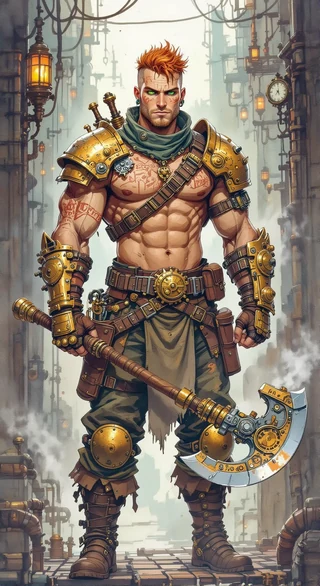
If you find yourself with a long encounter that needs to be shortened, here’s a straightforward 6-step process to convert it into a quick encounter:
- Strip to Core Conflict: Identify the main conflict of the encounter and remove any unnecessary elements that complicate it.
- Reduce Enemy Count (40-50%): Cut down the number of enemies to streamline the encounter and make it more manageable.
- Simplify Abilities: Remove complex abilities or mechanics that would slow down gameplay, focusing on 1-2 key actions for enemies.
- Remove Nested Encounters: Eliminate any secondary conflicts or sub-encounters that aren’t essential to the main objective.
- Set a Time Limit: Clearly communicate to players that the encounter has a hard time limit to keep things moving.
- Reward Early Victory: Create incentives for players to resolve the encounter quickly, whether through immediate rewards or narrative benefits.
This approach allows you to salvage key story beats from longer encounters while maintaining pacing and excitement.
6. Timing & pacing at the table
Timeboxing techniques (turn timers, round targets)
When you’re running a tabletop RPG, keeping the game flowing is essential, and timeboxing is one of the most effective methods to maintain momentum. Timeboxing involves setting strict time limits for player turns and overall encounter duration, which can help prevent indecision and keep everyone engaged. For example, establish a 30-45 second timer per player turn. If someone is stuck, you can use the “30-second rule”—if they haven’t decided by then, they automatically dodge or take a basic action. This technique encourages players to make quicker decisions and keeps the game moving.
Additionally, consider introducing group initiative variants. Instead of having each player roll for initiative individually, you can have the entire party act together, which streamlines the process. This can be particularly useful in quick encounters where speed is essential. By using these timeboxing techniques, you can significantly reduce idle time and create a more dynamic gaming experience.
Running a 15-minute combat pacing plan with per-turn timing
To effectively manage a 15-minute combat encounter, you’ll want to break down the time into clear segments. Start with a 1-minute pre-combat setup where you brief players on the stakes and objectives. Then, allocate 9 minutes for the main action, which should consist of 3 rounds of combat, followed by 4-5 minutes for any final actions or resolutions. After combat, take 1 minute to wrap things up, discussing loot or consequences.
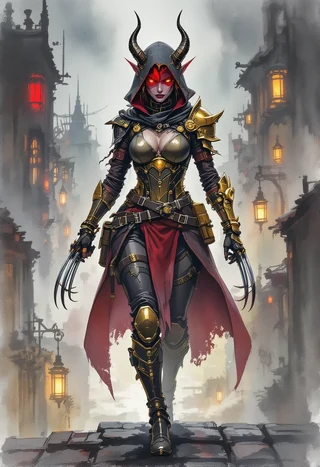
During each round, remind players of the remaining time. For example, you can announce, “We’re entering Round 2; you’ve got 5 minutes left!” This keeps everyone aware of the pacing and encourages quicker decision-making. If players are taking too long, you can introduce narrative shortcuts, such as an environmental hazard that requires immediate attention, to accelerate the pace. This structured approach allows you to maintain the excitement of the encounter without dragging it out unnecessarily.
7. Tools, assets and platforms to speed design & running
Virtual tabletops (Foundry, Roll20) workflows
Virtual tabletops (VTTs) like Foundry and Roll20 can greatly enhance your encounter design and execution, especially when you’re aiming for quick encounters. Start by pre-creating a “quick encounter folder” that includes 3 maps, 6 token types, and 5 essential macros (like group attack or roll initiative). This preparation allows you to load everything you need in under 90 seconds, making it easy to jump into the action without wasting time.
Once your setup is ready, leverage the automation features of your chosen VTT. For instance, you can set up macros that handle common rolls or apply damage to multiple tokens at once. This not only speeds up gameplay but also reduces the cognitive load on you as the GM, allowing you to focus on storytelling and player engagement rather than bookkeeping.
Physical tools (index cards, tokens, dry-erase maps)
While virtual tools are fantastic, don’t underestimate the power of physical tools for quick encounter design. Index cards can serve as one-page encounter cards, allowing you to jot down the essentials for each encounter—like the dramatic question, enemy types, and any environmental features—on a compact format that’s easy to reference during gameplay.
Additionally, using tokens or miniatures can visually represent combatants, making it easier for players to grasp the scenario quickly. You can create a “quick encounter kit” that includes a few versatile maps and a selection of tokens. This way, you can whip out a pre-prepped encounter in no time. For example, having a dry-erase map allows you to sketch out dynamic environments on the fly, keeping the game both engaging and flexible.
8. Automation, macros and VTT shortcuts
Macro examples and automation ideas (workflow pseudo-code)
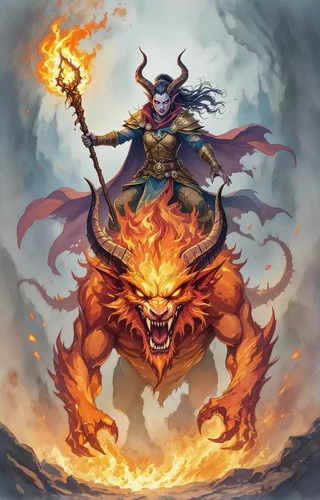
Automation is a game-changer when it comes to speeding up your encounters. Utilizing macros in your VTT can streamline actions and reduce the time spent on bookkeeping. For instance, you could create a macro that allows you to roll damage for a group of minions all at once instead of rolling for each one individually. This can save you significant time during combat, allowing for a smoother flow.
Here’s a simple pseudo-code example for a mass attack macro:
For each minion in group:
    Roll attack
    If hit:
        Roll damage
        Apply damage to target
This macro can be adapted to your specific VTT and can make tracking multiple enemies much more manageable. By automating these processes, you can focus more on the narrative and player choices rather than getting bogged down in numbers.
Token/initiative automation and hit-point tracking tips
Effective token and initiative management can significantly enhance the pacing of your encounters. Use centralized HP tracking for all enemies, and consider displaying only “HP tiers” (like full, injured, or critical) instead of exact numbers. This approach reduces confusion and keeps players focused on the action rather than calculating precise HP values.
For initiative, consider implementing group initiative or automated tracking features available in your VTT. For example, you can set up a system where players only need to call out their actions, and the VTT tracks the order for you. This not only minimizes downtime between turns but also keeps players engaged and involved in the game.
9. Visual and map design for quick clarity
Small-scale maps: clarity over detail
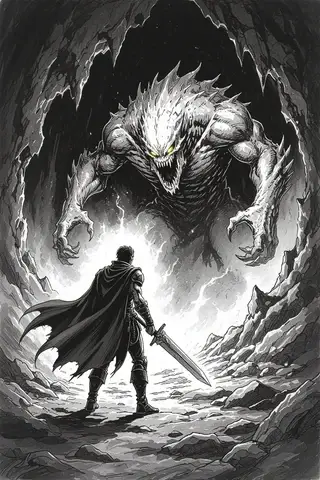
When designing maps for quick encounters, prioritize clarity over detail. Use small-scale maps that contain only 3-5 clear features, avoiding clutter that can confuse players. For example, a simple arena with a few obstacles can facilitate quick tactical decisions without overwhelming players with options. Label key terrain features to ensure everyone understands their importance in the encounter.
Adopting the “3-feature rule” can help you maintain this clarity: each map should include at most three mechanical features that players can utilize. This keeps the focus on the encounter’s objectives rather than getting lost in a sea of details. By ensuring that your maps are straightforward, you can significantly reduce analysis paralysis and keep the game moving at a brisk pace.
Using asset packs and tokens to save prep time
Asset packs are a fantastic way to save preparation time when designing encounters. By keeping a curated library of 3-5 go-to maps and token sets based on common themes, you can quickly set up encounters without needing to create everything from scratch. For instance, having a go-to village map, cave layout, or tavern scene can provide you with quick options for various scenarios.
When using these asset packs, consider layering your assets for rapid variation. Start with a base map, add one feature overlay (like a barricade or a treasure chest), and then place your tokens. This approach allows you to customize encounters quickly while ensuring they remain visually appealing and functional.
10. Player-facing tricks to keep the scene moving
Quick initiative variants, shared roles, spotlight rules
To keep the game flowing smoothly, consider implementing quick initiative variants and shared roles. For instance, using group initiative can reduce the downtime between player turns. Instead of each player rolling individually, have the party act as a unit where they can discuss their strategy in a brief huddle, say 60 seconds, followed by a single turn covering all players’ actions.
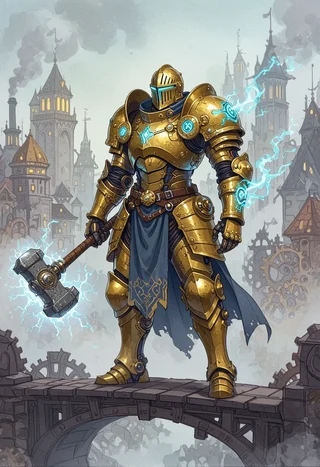
You can also assign shared roles within the group, such as a spotlight leader who helps coordinate actions or a loot picker who decides what to take from defeated foes. This not only speeds up gameplay but also fosters teamwork, as players collaborate more closely.
How to brief players in 60 seconds
Effective communication is vital for maintaining the pace of the game. When starting an encounter, aim for a quick 60-second briefing that includes a one-sentence hook, the main objective, and the consequences of failure. For example, you might say, “You hear a scream from the nearby tavern; your objective is to rescue the hostages before the cultists escape. If you fail, they may take the hostages to a hidden lair.”
After presenting the stakes, offer 2-3 immediate choices for players to consider, such as “Do you rush in to fight, try to negotiate, or set a trap?” This not only sets clear expectations but also encourages players to act quickly and confidently.
11. Three example quick encounters (fully detailed)
Example A: 5–7 minute social/combat hybrid
For a quick encounter that blends social elements with combat, consider a roadside ambush scenario. Imagine your players are traveling and come across a merchant who is being threatened by 3-4 bandits. The dramatic question could be: “Will you negotiate for the merchant’s safety, or will you fight to drive off the bandits?” This scenario can unfold within 5-7 minutes, allowing for quick decisions and interactions.
Setup Steps:
- Scene Hook: As the party approaches, they see a merchant surrounded by bandits demanding coin.
- Enemy Count: Use 3-4 bandits, with one acting as a captain who has slightly better stats.
- Environment Feature: Include a nearby cart that can be used as cover or as an obstacle.
- End Conditions: If the players negotiate successfully, they can either pay the bandits off or convince them to leave. If they choose combat, the fight should resolve quickly with clear loot for the merchant’s rescue.
Example B: 10–12 minute pure skirmish
For a straightforward combat encounter, a tavern brawl can be an exciting option. Picture your players entering a tavern where a fight has broken out between two rival factions. This skirmish can last 10-12 minutes, with a clear objective of either breaking up the fight or choosing a side.
Setup Steps:
- Scene Hook: As your players enter, they hear shouting and see chairs flying.
- Enemy Count: Include 5-6 minions from both factions, ensuring quick action with simple attack options.
- Map Features: Use 3 key features like tables for cover, a bar counter that can be climbed, and a chandelier that could be swung for a dramatic effect.
- End Conditions: The fight ends when one faction is defeated or the players manage to calm both sides down.
Example C: 15–20 minute objective-driven encounter
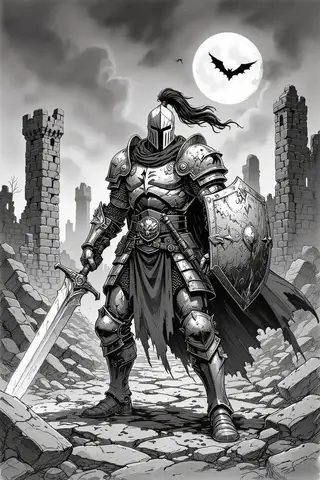
For a more complex encounter, consider a time-sensitive objective, such as defending a bridge from an oncoming attack. This scenario could involve a golem and several animated armors trying to cross the bridge. The players must strategize to defend while facing time pressure.
Setup Steps:
- Scene Hook: The players arrive at a bridge as they see a golem and animated armors approaching, with a countdown to their arrival.
- Enemy Count: Use one golem as a primary threat and 2-3 animated armors as support.
- Environmental Hazards: The bridge could be unstable, adding stakes to their defense.
- End Conditions: The players succeed if they can defeat the golem before it crosses the bridge, or they might have to retreat if they fail.
12. Common mistakes and quick fixes
When designing quick encounters, several pitfalls can derail your pacing and enjoyment. Common mistakes include over-complex mechanics, muddy maps, and poor pacing. For instance, having too many enemies can bog down decision-making, while unclear objectives can lead to confusion among players.
Quick Fixes:
- Reduce Enemy Count: If you notice combat dragging, cut down on the number of enemies to streamline the encounter.
- Simplify Abilities: Replace multi-round abilities with single-use effects to keep the action moving.
- Add a Visible Clock: Introduce a timer to create urgency. This encourages players to make quicker decisions and keeps the encounter on track.
If you find that players are losing interest or becoming frustrated, don’t hesitate to intervene. You can announce a time limit or introduce NPCs who assist, helping to reset the pace.
13. Resources & complementary tools (catalog with URLs)
- 3000 Fantasy Village & Town Maps
- 1000 Desert Fantasy Maps
- 100 Animated Undead Tokens
- Game Master Toolbox
- Fantasy Map Making Kit
14. Implementation checklist and suggested routines
Before each session, having a quick prep routine can make all the difference in running smooth encounters. This simple routine should take about 2-5 minutes and will help you set up effectively.
Pre-Session Steps:
- Select Quick Encounters: Choose 1-2 encounters that fit your session’s theme or pacing.
- Load Maps and Tokens: Make sure to have your maps and tokens ready to streamline setup.
- Set Timers: If using timeboxing techniques, prepare your timers ahead of time.
- Print One-Page Cards: Have printed cards ready for quick reference during play.
In-session, maintain momentum by announcing round counts and using timers. After the session, take a few moments to jot down what worked well and what could use improvement for next time. This iterative process will help you refine your quick encounter designs and ensure that each game is better than the last.
Fox’s take
In summary, quick encounter design is all about creating engaging, fast-paced experiences that keep your players invested and on their toes. By following the steps outlined in this guide—from defining dramatic questions to using one-page templates—you can enhance your game sessions and save valuable prep time. So, take these tips and start crafting your own quick encounters today! Remember, the more you practice, the better you’ll get at balancing fun and speed, ensuring your tabletop sessions are always a hit.
FAQ
How do you balance enemy difficulty quickly without calculating full CR math?
Use heuristics like adjusting total enemy HP based on party size and level for quick balance.
What is a simple timing plan to keep a combat encounter under 15 minutes?
Implement a 1-minute setup, 9 minutes for 3 rounds, and 4-5 minutes for resolutions.
Which VTT automation features save the most time for quick encounters?
Macros for rolling multiple attacks and centralized HP tracking streamline VTT gameplay.
How can I convert a complex boss fight into a fast, satisfying skirmish?
Strip down to core conflict, reduce enemies, and set strict time limits for quick resolution.
What are the best one-page templates to print for quick prep?
Templates should include title, dramatic question, enemy list, and environmental features.
Continue reading
- The Art of the ‘Mid-Boss’: Creating Memorable DnD Mini-Villains
DnD mid-boss design: actionable steps, stat-block examples, map patterns and VTT tips to craft memorable mini-villain encounters. - Battle Map DnD Essentials: What Makes a Map “Table-Ready”
Learn how to create a table-ready battle map for print and VTT with technical specs and design tips.