

What you’ll learn in this article
- 🎲1Understand the benefits of playing DnD with kids, from social skills to creativity.
- ✅2Tailor your approach by age group, ensuring engagement and enjoyment for all.
- 🔎3Learn how to structure short, kid-friendly sessions that fit different attention spans.
- 🧙4♂️ Simplify DnD rules for kids, focusing on essential mechanics and fun.
- 🎉5Explore character creation, using templates and examples to spark imagination.
- 📜6Discover effective reward systems to motivate young players during sessions.
- 🌟7Utilize visual aids, maps, and props to enhance the gaming experience.
- 💻8Find out how to play DnD online, including recommended platforms like Roll20 and Foundry.
- 🏆9Get tips for troubleshooting common problems and ensuring a positive environment.
- 📚10Access curated resources and sample one-shot adventures for easy implementation.
- 🎲11Troubleshooting common problems with fixes
- 🎲12Example materials: printable cards and templates
- 🎲13Resources & complementary tools (curated list)
- 🎲14Sample one-shot: ‘Lost Puppy on Willow Road’ (30–45 min)
- 🎲15Next steps: scaling difficulty and progression
1. Why play DnD with kids? (benefits and goals)
Playing Dungeons & Dragons (DnD) with kids is not just about rolling dice and slaying dragons; it’s a fantastic way to foster important skills that they’ll carry into adulthood. DnD enhances social skills by encouraging teamwork and collaboration, as players must work together to solve problems and overcome challenges. For example, a shy child may find their voice as they take on the role of a brave knight, leading their friends on an adventure. This kind of roleplay can significantly boost their confidence and improve their ability to communicate with others.
In addition to social benefits, DnD promotes cognitive skills like critical thinking, basic math, and creative problem-solving. Kids learn to keep track of their character’s health, calculate loot distributions, and plan strategies in response to various challenges. Engaging in storytelling and improvisation during the game also enhances their creative thinking. Many educators have noted improvements in students’ emotional intelligence and resilience when they participate in roleplaying games, as they learn to navigate complex social situations and handle failure in a safe environment.
Tip: For a deeper connection, share anecdotes from your own experiences playing DnD, showcasing how it has helped you or others grow in similar ways.
1.1 Social, cognitive, and creative benefits
DnD offers a wealth of social, cognitive, and creative benefits for kids. Socially, it teaches essential skills like teamwork, listening, and empathy through roleplay. When kids embody different characters, they learn to understand various perspectives, which helps them develop emotional intelligence. For instance, a child might have to negotiate with a non-player character (NPC) to gain information, fostering a sense of empathy and understanding of others’ motivations.
Cognitively, DnD enhances skills such as sequencing and spatial reasoning. Players must think critically about the order of their actions and the layout of the game world. They also engage in basic arithmetic when splitting loot or calculating their character’s health points. Creatively, the game encourages kids to create unique characters and narratives, allowing their imaginations to run wild. For example, a child might invent a backstory for their character, detailing how they acquired their magical powers. This blend of skills not only makes DnD fun but also prepares kids for real-life challenges.
Example: I once had a quiet player who transformed into a bold storyteller after a few sessions. Their confidence soared as they crafted elaborate tales about their character’s adventures, showcasing how roleplay can unlock hidden talents.
1.2 What success looks like for different ages
Success in DnD varies by age group, and it’s important to set age-appropriate goals for your young players. For children aged 4–6, success might mean sitting through a 15-20 minute session and actively participating in simple narrative choices. At this age, the focus is on imaginative play rather than strict adherence to rules. For example, if they can pretend to rescue a lost puppy and engage with the story, that’s a win!
As kids grow older, the metrics for success evolve. For ages 7–9, a successful session might involve completing a simple skill check or solving a basic puzzle. At this stage, introducing light mechanics and visual aids helps maintain their engagement. For kids aged 10–12, success could be planning a basic strategy during a challenge, while teens may be expected to manage sessions and create rich backstories for their characters. By recognizing and celebrating these milestones, you can keep kids motivated and excited about their DnD journey.
Tip: Keep a simple record of each child’s achievements during sessions. This can help you track their progress and adjust the game to better fit their developmental needs.
2. Age-by-age approach: tailoring sessions
When running DnD sessions for kids, it’s essential to tailor your approach based on their developmental stage. Each age group has different needs and attention spans, so adjusting session length, complexity, and storytelling style is vital for engagement. For example, children aged 4–6 benefit from very short, play-focused sessions lasting about 15-20 minutes. Here, the emphasis should be on imaginative play, with minimal rules or mechanics introduced. You could create a simple storyline where they help a friendly forest animal, allowing them to engage in physical play and creativity.
For kids aged 7–9, sessions can be extended to 30-45 minutes, introducing basic mechanics and visual aids. This age group can handle simple dice rolls and token systems to track health. You might present a quest where they have to solve a puzzle to find a treasure, allowing them to use their developing problem-solving skills. It’s important to balance narrative and mechanics to keep their interest piqued.
Warning: Avoid overwhelming younger players with too many rules or complex systems. Keeping things simple will ensure they have fun while learning the basics of roleplay.
2.1 Ages 4–6: play-focused, very short sessions
For children aged 4–6, the key to a successful DnD experience is keeping sessions short and focused on play. Aim for 15-20 minute sessions that emphasize storytelling and imaginative play without introducing dice or complex mechanics. You can create simple scenarios, such as rescuing a lost puppy or having a picnic with friendly animals. In these sessions, the goal is to foster creativity and participation rather than strict adherence to rules.
During gameplay, you can use props like stuffed animals or toys to represent characters and obstacles. This tactile experience can help engage young players and keep their attention. Additionally, replace combat with non-violent mechanics like tag or chase, where they can “catch” a monster by tagging it. Establish a no-death rule to ensure that all players feel safe and excited during the game.
Tip: Prepare a few simple props before the session, such as colorful drawings or toy figures, to enhance the storytelling experience and make it more interactive for young players.
2.2 Ages 7–9: basic mechanics, visual aids
As kids transition into the 7–9 age range, they’re ready for slightly longer sessions, typically lasting 30-45 minutes. This age group can handle basic mechanics, such as introducing a d6 (six-sided die) for skill checks. A good starting point is to use simple success thresholds, like rolling a 4 or higher to succeed. Visual aids, such as maps or character tokens, can help maintain their attention and clarify the game world.
In these sessions, you can introduce role templates like “Brave Knight” or “Magic Fox” to help kids understand character roles and responsibilities. Incorporating puzzles appropriate to their reading level can also enhance engagement. For example, create a simple riddle they must solve to unlock a treasure chest. Implementing a sticker reward chart can motivate players and reinforce their achievements throughout the game.
Example: I once used a treasure map with stickers to mark solved puzzles. The kids loved visually tracking their progress and worked together eagerly to unlock the next part of the adventure.
2.3 Ages 10–12: roleplay and light strategy
Kids aged 10–12 are ready to dive deeper into the world of DnD, where sessions can last 45-60 minutes. At this stage, they can engage with more complex roleplay and light strategy elements. You can introduce a simple character sheet with three attributes: Strong, Quick, and Smart. Players can assign points to these attributes based on their character concept, allowing for a more personalized experience.
This age group can also begin to understand teamwork roles and basic tactical planning. For instance, encourage them to negotiate with NPCs or devise a strategy during encounters. Presenting challenges that require collaboration, like a team puzzle, can help solidify their understanding of working together. Remember to keep the atmosphere fun and supportive, fostering a sense of camaraderie among players.
Tip: Rotate the “team captain” role among players to encourage leadership skills and ensure everyone has a chance to guide the group.
2.4 Teens: near-standard rules, scaffolding
For teens, DnD sessions can last from 1 to 2 hours, bridging the gap to near-standard rules. At this age, players can handle more complex mechanics, so you can introduce house rules and adapt existing ones as needed. Encourage them to co-GM (Game Master) and create rich backstories for their characters, enhancing their connection to the game.
While working with teens, it’s essential to emphasize player agency and consent. Discuss the rules together and allow them to negotiate any house rules that may enhance their experience. A good progression plan might involve gradually introducing more complex mechanics over several sessions, ensuring they feel comfortable with the changes. This approach helps maintain their interest while allowing them to grow as players.
Warning: Be cautious about overwhelming teens with too many rules at once. Gradually introducing complexity can help maintain their enthusiasm and ensure they enjoy the game.
3. Session structure and timing (micro-sessions to epic nights)
Crafting an engaging session structure is vital for keeping kids focused and excited during DnD. For different age groups, session lengths and rhythms will vary. For ages 4-6, aim for 15-20 minute sessions where the focus is on storytelling and imaginative play. For ages 7-9, 30-45 minutes is ideal, introducing light mechanics and visual aids. Finally, for ages 10-12 and teens, sessions can extend to 1-2 hours, allowing for deeper roleplay and strategy.
When planning your session structure, consider breaking it down into clear beats. For instance, in a 20-minute session, you might allocate time as follows: gather players (2 minutes), describe heroes (3 minutes), start the quest (5 minutes), encounter a challenge (7 minutes), and reward players (3 minutes). This method helps maintain a steady pace and keeps players engaged.
Tip: Use a timer to keep track of each section of your session, helping you manage time effectively and ensure all players have a chance to contribute.
3.1 Recommended session lengths and rhythms
Here’s a quick reference for recommended session lengths based on age groups:
| Age Group | Recommended Session Length |
|---|---|
| 4–6 | 15–20 minutes |
| 7–9 | 30–45 minutes |
| 10–12 | 45–60 minutes |
| Teens | 60–120 minutes |
For younger players, consider using shorter, more frequent breaks during sessions, such as every 20-30 minutes. This helps maintain their focus and energy levels. For older kids and teens, you can extend sessions but still incorporate breaks to avoid burnout. A quick stretch or a fun mini-game can help re-energize everyone.
Example: In my sessions, I’ve found that taking a quick 5-minute break to stretch or do a fun dance helps keep kids engaged and ready for the next challenge.
3.2 A flexible 20-minute session structure (procedure)
Running a quick 20-minute DnD session can be both simple and enjoyable. Here’s a flexible structure you can follow:
- Gather (2 minutes): Bring everyone together and set the mood.
- Describe Heroes (3 minutes): Have each player briefly describe their character.
- Start Quest (5 minutes): Present the initial scenario or problem.
- Encounter (7 minutes): Introduce a challenge or conflict for players to address.
- Reward (3 minutes): Wrap up the session, rewarding players for their achievements.
This structure allows for a rapid yet fulfilling DnD experience. You can enhance engagement by using props or visual aids, such as printed tokens or simple maps, to illustrate the game world.
Tip: Prepare a few props or visuals beforehand to help your players visualize the quest and stay engaged.
3.3 30–45 minute one-shot outline (beat timings)
For a 30-45 minute one-shot, consider the following structure:
| Session Beat | Timing |
|---|---|
| Introduction | 5 minutes |
| Exploration | 10-15 minutes |
| Encounter | 10-15 minutes |
| Wrap-Up | 5 minutes |
Begin with an engaging hook to draw players in, followed by exploration where they can interact with the game world. Introduce a challenge during the encounter phase, allowing them to use their skills and creativity to overcome it. Finally, wrap up the session with a brief debriefing, celebrating each player’s contributions.
Warning: Avoid lengthy explanations of rules during the one-shot. Keep things simple and focus on fun and engagement.
3.4 2-hour kid-friendly session plan (beat timings)
For a more extended session lasting 2 hours, consider a multi-part adventure like a quest to explore a wizard tower. Here’s a suggested breakdown:
| Session Beat | Timing |
|---|---|
| Gathering Information | 10 minutes |
| Exploring the Tower | 30 minutes |
| Facing the Guardian | 30 minutes |
| Solving the Puzzle | 20 minutes |
| Celebrating Success | 10 minutes |
During the gathering phase, players can interact with NPCs to gather information about the tower. The exploration phase allows them to find clues and items, while facing the guardian presents a challenge that requires teamwork. Finally, solving a puzzle leads to their success, and you can celebrate their achievements at the end of the session.
Tip: Keep the pace lively to maintain engagement, and be prepared to adjust the timing based on your players’ attention spans and energy levels.
4. Simplifying DnD rules (mechanics made kid-friendly)
When introducing DnD to kids, simplifying the rules is crucial to ensure everyone can participate and enjoy the game. Start by reducing the number of attributes to just three: Strong, Quick, and Smart. This makes it easier for young players to understand their character’s abilities without being overwhelmed by complex stats. You can assign points to these attributes, allowing for a more personalized character experience.
Additionally, streamline the mechanics by using a single type of die, such as the d6 (six-sided die) for most rolls. For instance, when resolving actions, players can roll a d6 and aim for a target number, like 4 or higher, to succeed. This approach minimizes the learning curve and keeps the focus on storytelling and creativity rather than complicated mechanics.
Example: In my sessions with younger players, I found that using a simple d6 system for skill checks allowed them to engage more fully without getting bogged down in rules.
4.1 Reduce attributes and dice complexity
To create a kid-friendly DnD experience, use a simplified system with just three attributes: Strong, Quick, and Smart. For character creation, players can start with a total of 10-15 points to allocate to these attributes. This straightforward setup helps kids grasp their character’s strengths without feeling overwhelmed.
When it comes to dice, stick to a single type, like the d6 or d20, and keep the mechanics simple. For example, if a player wants to climb a tree, they can roll a d6 and need a 4 or higher to succeed. This approach reduces complexity while allowing kids to engage in meaningful gameplay.
Tip: Encourage kids to come up with creative solutions to challenges, using their attributes to think outside the box. This fosters creativity and problem-solving skills.
4.2 Simplified combat mechanics (3–6 step procedure)
Combat can be simplified for kids by using a straightforward 3-6 step procedure. Here’s a basic outline to follow:
- Declare Action: Players announce what they want to do (e.g., “I attack the monster!”).
- Roll the Die: Players roll the d6 and compare it to the target number (e.g., 4 or higher).
- Resolve: If they succeed, describe the outcome (e.g., “You hit the monster!”).
- Narrate: Encourage players to narrate their actions in creative ways (e.g., “I swing my sword with a mighty roar!”).
This streamlined approach keeps combat quick and engaging, allowing kids to focus on storytelling rather than complex mechanics. You can also introduce non-violent alternatives, like tag or puzzle-solving, to replace combat in certain scenarios.
Warning: Avoid using overly complicated combat rules from the standard DnD system. Keep it simple to ensure kids stay engaged and have fun.
4.3 Fast skill checks and binary outcomes
When conducting skill checks, use a simple success/fail system. For example, if a player wants to sneak past a guard, they can roll a d6 and need a 4 or higher to succeed. If they roll below that, they fail. This binary outcome keeps things straightforward and allows kids to understand the stakes without getting bogged down in complex mechanics.
Additionally, you can introduce team checks, where players can work together to achieve a common goal. For instance, if two players want to lift a heavy object, they can pool their rolls together, making it easier to succeed. This collaborative approach encourages teamwork and keeps the game moving smoothly.
Tip: Reinforce positive outcomes by celebrating successes, no matter how small. This helps build confidence and keeps players motivated.
4.4 Example simplified character sheets (3-attribute sample)
A simplified character sheet for kids should focus on essential information. Here’s a basic layout you can use:
- Hero Name: [Player’s character name]
- Attributes:
- Strong: [Points]
- Quick: [Points]
- Smart: [Points]
- Special Ability: [Unique power or skill]
- Health: [Hearts, e.g., 3 hearts for health points]
Consider creating printable templates with visuals for non-readers, ensuring they can easily understand their character’s abilities. You can also include a line for “Team Role” (e.g., support, leader, scout) to clarify each player’s responsibilities during the game.
Example: I often use colorful character sheets with pictures and simple text to help younger players engage with their characters more easily.
5. Character creation with kids
Character creation is a vital part of the DnD experience, and keeping it quick and fun is essential for kids. To streamline the process, follow these five steps:
- Gather Basic Info: Ask the player for their character’s name and appearance.
- Choose a Power: Let them select one special ability or power.
- Assign Attributes: Allocate points to Strong, Quick, and Smart.
- Select Health: Determine how many hearts (health points) they will have (e.g., 3).
- Draw the Hero: Encourage them to illustrate their character, adding a personal touch.
This method allows kids to create their characters in just 5-10 minutes, making it an enjoyable warm-up activity. Additionally, you can provide examples of kid-friendly characters, like a Bunny Knight or a Magic Fox, to inspire their creativity.
Tip: Use character creation as an opportunity to bond with kids by asking questions about their choices and encouraging them to share their ideas.
5.1 Quick character creation in 5 steps
To facilitate a smooth character creation process, provide a clear outline for kids:
- Gather Basic Info (2 minutes): Ask the player to pick a name and describe their character’s look.
- Choose a Power (1 minute): Let them select one special ability.
- Assign Attributes (2 minutes): Have them allocate points to Strong, Quick, and Smart.
- Select Health (1 minute): Determine how many hearts they will have.
- Draw the Hero (5 minutes): Encourage them to create a visual representation of their character.
This quick setup can take around 10-15 minutes, making it efficient and fun. You can provide prompts for non-readers, such as pictorial cues, to help guide them through the process.
Example: I often use a whiteboard to sketch out a character as we create it together, allowing kids to visualize their hero and keep them engaged.
5.2 Sample kid-friendly characters (templates)
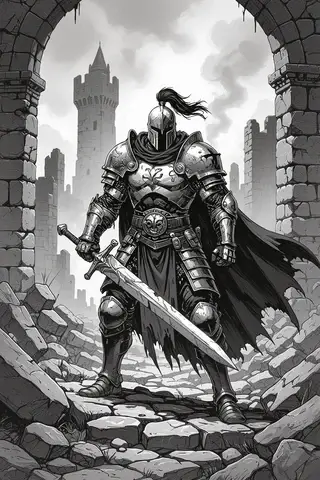
Providing a few sample kid-friendly characters can inspire creativity and simplify the character creation process. Here are three examples tailored for different age groups:
- Ages 4-6:
- Bunny Knight: A brave bunny with a carrot sword and 3 hearts.
- Ages 7-9:
- Magic Fox: A clever fox with a spell to create illusions and 3 hearts.
- Ages 10-12:
- Dog Knight: A loyal dog with a shield and the ability to bark loudly, scaring enemies away, with 3 hearts.
Provide printable cards with these characters and their abilities to make it easier for kids to choose and engage with their roles.
Tip: Encourage kids to personalize these templates by adding their own twists or backstories, fostering creativity and ownership over their characters.
5.3 Party roles explained simply
To help kids understand their roles within the party, explain the primary responsibilities of each character type in simple terms. Here are three basic roles:
- Leader/Captain: Guides the group, makes decisions, and helps coordinate actions during challenges.
- Wizard: Uses magic to solve problems and assist the party, often with unique spells or abilities.
- Scout: Explores ahead, gathering information and identifying potential dangers.
Encourage players to rotate roles during sessions, allowing everyone a chance to experience different responsibilities. This approach promotes teamwork and ensures that all players feel valued and engaged.
Warning: Avoid overwhelming kids with too many complex class options. Stick to broad categories to keep things simple and fun.
6. Visual aids, maps, tokens and props
Using visual aids, maps, and props can significantly enhance the DnD experience for kids. These tools make the game more engaging and help them visualize the story. Here are some simple ways to incorporate these elements:
- Visual Aids: Everyday items can serve as fantastic visual aids. For instance, use LEGO blocks to build a castle or toy figurines as characters in the game. This not only saves money but also helps kids get creative.
- Tip: Create a “magic stone” that players can pass around to indicate whose turn it is. This helps keep the game organized and ensures everyone gets a chance to play.
- Maps: You don’t need to be an artist to create maps! A quick map creation procedure can be as simple as drawing a basic outline of the area, adding landmarks, and labeling them. Here’s a quick 4-step process:
- Step 1: Draw a simple outline of the area (like a forest or castle).
- Step 2: Add important features such as rivers, roads, or caves.
- Step 3: Use printed tokens to represent characters and monsters.
- Step 4: Play the game using your map!
Example: For a pirate adventure, draw an island map with an “X” marking the treasure. Kids can use toy ships to navigate the waters!
6.1 Low-prep visual aids and how to use them
Low-prep visual aids can significantly enhance your DnD sessions while keeping things simple. Using everyday items can make for a more immersive experience without requiring extensive preparation. Here are some suggestions to get you started:
- Everyday Items: You can use common household items as game pieces. For example, buttons can represent coins, while small toys can serve as characters. This not only saves money but also helps kids get creative.
- Example: Use a stuffed animal as the party’s “mount” or a small dinosaur as a monster. This makes the game more relatable and fun for younger players.
- Printable Tokens: There are many printable token packs available online that you can use. Simply print them out, cut them out, and you’re ready to go. These tokens can represent different characters, items, or monsters.
- Tip: Consider creating a few themed tokens for your game, such as magical creatures or treasure chests, to keep the excitement high.
6.2 Quick map creation procedure (3–6 steps)
Creating maps for your DnD sessions doesn’t have to be complicated. With a few simple steps, you can make engaging maps that will enhance your gameplay experience. Here’s a quick 4-step guide to get you started:
- Draw the Base: Start with a blank sheet of paper. Sketch a rough outline of the area, whether it’s a forest, village, or dungeon. Keep it simple; the focus should be on fun, not perfection.
- Add Features: Once you have the base, add in key features like rivers, mountains, or buildings. Label these areas to help players navigate during the game.
- Create Tokens: Use printed tokens or even small objects to represent characters and monsters on the map. This adds a tactile element to the game and helps kids visualize the action.
- Play: Once your map is ready, use it during the game! Encourage kids to interact with the map as they explore, making it a central part of the storytelling.
Example: For a treasure hunt, draw a map with landmarks like “The Great Oak Tree” and “The Mysterious Cave” to guide players on their quest.
6.3 Using toys and everyday items as props
Incorporating toys and everyday items as props can elevate your DnD sessions and make them more engaging for kids. Here’s how you can effectively use them:
- Toys as Characters: Use action figures, stuffed animals, or LEGO figures as characters in your game. This not only adds a fun visual element but also allows kids to connect more deeply with their characters.
- Example: A dinosaur toy can serve as a fearsome dragon, while a teddy bear could be a friendly ally.
- Everyday Items as Props: Common household items can also become props. For instance, use a flashlight for a magical torch or a blanket as a cape for a hero. This encourages creativity and improvisation during the game.
- Tip: If you have a few toy swords or shields, let kids use them during battles for added excitement. Just remind them it’s all in good fun!
7. Tools & platforms (physical and digital)
When it comes to running DnD sessions with kids, having the right tools and platforms can make a world of difference. Here’s a breakdown of both physical and digital options to consider:
- Physical Tools: Basic items like dice, character sheets, and printed maps are essential for any DnD game. Consider using cardstock for character minis and easy-to-read sheets for tracking health and abilities.
- Example: You can find printable character sheets online that are tailored for kids, making it easier for them to understand their roles.
- Digital Platforms: If you’re playing remotely or want to enhance your visuals, consider using virtual tabletops (VTTs) like Roll20 or Owlbear Rodeo. These platforms offer maps, tokens, and easy communication tools for players.
- Tip: Choose a platform based on your kids’ age and tech comfort level. For younger kids, a simpler platform like Owlbear Rodeo may be best, while older kids might enjoy the features of Roll20.
7.1 Printable assets and where to find them
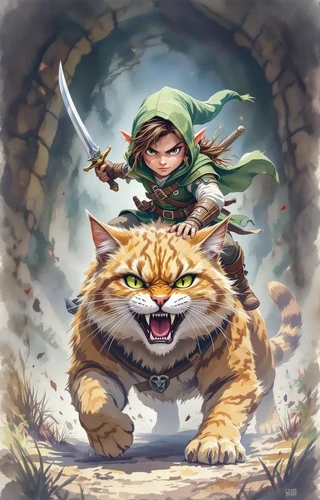
Printable assets can save you time and enhance the visual experience of your DnD sessions. Here are some excellent sources for finding kid-friendly printable materials:
- Etsy Bundles: Websites like Etsy offer a variety of printable packs, including character sheets, maps, and tokens. One great option is the Game Master Toolbox, which contains a vast array of resources to get you started.
- Printable Packs: Look for packs specifically designed for kids, featuring non-scary themes. Examples include 3000 Fantasy Village maps and 7000 printable RPG miniatures. These can be printed and used immediately in your sessions.
Example: Print out a map from Etsy and use it as your visual aid during the adventure. Kids can even color it in before the game, adding a personal touch!
7.2 Virtual tabletops and kid-friendly apps (pros/cons)
Using virtual tabletops (VTTs) can bring your DnD sessions to life, especially if you’re playing remotely. Here’s a quick overview of some kid-friendly options:
- Roll20: This VTT is great for its map features and user-friendly interface. However, it may have a steeper learning curve for younger kids.
- Pro: Offers many tools for customization and visuals.
- Con: Can be overwhelming for beginners.
- Owlbear Rodeo: This platform is simple and focuses on visual play, making it ideal for younger players. It’s easy to set up and navigate.
- Pro: Quick setup and easy to use.
- Con: Limited features compared to more complex platforms.
Prepare tokens and maps in advance, regardless of the platform you choose. This will help keep the game flowing smoothly and maintain engagement.
7.3 Recommended bundles and assets (select resources)
When it comes to DnD, having the right bundles and assets can simplify your prep work and enhance the experience for kids. Here are some curated recommendations:
- Game Master Toolbox: This bundle includes over 350,000 assets, making it a fantastic resource for any game master. You can find it here.
- 3000 Fantasy Village Maps: Perfect for creating immersive environments, this set of maps is available here. It provides a variety of settings for your adventures.
- 8000 DnD Compatible Tokens: These tokens can be used in both physical and digital games, providing a versatile option for tracking characters and creatures. Check it out here.
Example: By using these bundles, you can reduce preparation time and focus on storytelling and fun during sessions.
8. Reward systems and player motivation
Establishing a reward system can significantly boost motivation and engagement during DnD sessions with kids. Here’s how you can create a system that works:
- Sticker and Token Economy: Create a system where kids earn stickers or tokens for good behavior, participation, and teamwork. For example, they could earn one sticker for listening attentively and another for helping a friend.
- Tip: Set a threshold for rewards, like earning five stickers for a special in-game item or bonus.
- Transitioning to In-Game Incentives: Start with tangible rewards like stickers, but gradually shift to narrative incentives. For instance, after a few sessions, you can offer narrative bonuses (like a magic sword) instead of stickers.
- Example: Create a timeline for transitioning from material rewards to narrative ones over four weeks. By Week 4, they should primarily receive in-game rewards for their actions.
8.1 Narrative vs. material rewards
When motivating kids in DnD, it’s essential to balance narrative rewards with material ones. Here’s how to effectively implement this system:
- Material Rewards: Early on, use tangible rewards like stickers or small toys to encourage participation. These can be effective in getting kids excited about the game.
- Example: A “Teamwork Token” could allow a player to reroll a dice during their next turn.
- Narrative Rewards: As kids become more engaged, start introducing narrative rewards that enhance the story. For instance, after a successful quest, they might receive a magical item that grants them special abilities in future sessions.
- Tip: Transition away from material rewards after consistent positive behavior over 3–6 sessions, focusing more on in-game incentives.
8.2 Sticker/token systems with examples
Implementing a sticker or token system can help reinforce positive behavior and engagement in your DnD sessions. Here’s how to create an effective system:
- Sticker Chart: Create a chart with categories like “Listen,” “Share,” and “Help.” Each time a player demonstrates one of these behaviors, they earn a sticker. After collecting a certain number of stickers, they can trade them for a reward, like a “Hero Badge.”
- Tip: Adjust the threshold for rewards based on your group’s dynamics. For example, three stickers might earn a hint during a tough challenge.
- Token Spending Options: Allow players to spend their tokens for in-game benefits, such as an auto-success on a roll or an extra turn. This adds an exciting layer to gameplay and motivates them to earn tokens.
- Example: A player could spend five tokens to automatically succeed in a skill check, adding a fun strategic element to the game.
8.3 Transitioning to in-game incentives
Transitioning from material rewards to in-game incentives can enhance the overall experience for kids in DnD. Here’s a clear path for making that shift:
- Four-Week Sequence: Implement a gradual transition plan that allows players to adjust to the new system. For example:
- Week 1: Stickers for participation.
- Week 2: Mix of stickers and narrative rewards.
- Week 3: Primarily narrative rewards, with few stickers.
- Week 4: Fully narrative rewards.
- Tip: Make the transition predictable, so players know what to expect.
- Script for Conversion: At the end of a session, explain how a material reward can become a narrative one. For example, if a player earned a sticker for helping, you can convert that into a magical item they can use in the next session.
- Example: “You helped your friend defeat the monster, so you earn a magic sword that grants you +1 to attack rolls next session!”
9. Scripts, prompts and GM lines (quick reference)
Having a set of scripts and prompts can make running DnD sessions smoother and more enjoyable. Here are some key lines and phrases to have on hand:
- Opening Lines: Start your sessions with a welcoming statement to set the tone. For example, you might say, “Welcome, heroes! We’re about to embark on an exciting adventure where you’ll face challenges, solve puzzles, and work together to save the day!”
- Tip: Consider creating a colorful poster with table rules that everyone can see, making it easier to remind players of expectations.
- Calming Phrases: If tensions rise or a player gets upset, use calming phrases like, “Let’s take a deep breath together.” You can follow this with a simple breathing exercise, counting to five while inhaling and exhaling.
- Example: “If you’re feeling frustrated, let’s pause for a moment and take a deep breath together. Heroes always stay calm!”
9.1 Opening lines and table rules scripts
Setting the tone for your DnD sessions is crucial, especially when playing with kids. Here’s a simple script to help you get started:
- Opening Line: “Welcome to our adventure! Together, we’ll tell an amazing story filled with heroes, magic, and excitement. Are you ready to start?”
- Tip: Make it ceremonial by having the players sign a colorful rules poster that includes three key rules, such as “Listen to each other,” “Be kind,” and “Have fun!”
- Table Rules Script: “Before we begin, let’s agree on a few rules: We’ll listen when someone is talking, we’ll work together as a team, and we’ll respect each other’s ideas. Sound good?”
- Example: You can create a visual contract for players to sign, reinforcing these rules in a fun way.
9.2 Calming phrases and redirection scripts
Managing emotions during gameplay is essential, especially with kids. Here are some calming phrases and redirection scripts to keep things peaceful:
- Calming Phrases: When tensions rise, use phrases like, “Heroes take deep breaths!” Encourage players to pause and breathe together to reset the mood.
- Tip: Incorporate a short breathing exercise: “Let’s count to five while we inhale… and five while we exhale. Ready?”
- Redirection Script: If a player is getting upset, say, “Let’s take a break for a moment. How about we talk about what’s bothering you, and then we can jump back into the game?”
- Example: Use an X-Card (a card players can signal when they’re uncomfortable) to help manage emotions and redirect the game if needed.
9.3 Example NPC introductions and one-line hooks
Introducing Non-Player Characters (NPCs) effectively adds depth and excitement to your DnD sessions. Here are some tips and examples for creating engaging NPCs:
- NPC Introductions: Start with a catchy one-liner to capture players’ attention. For example, “Granny Goat: ‘Help! My pies have been stolen!’” This instantly gives players a quest and a character to engage with.
- Tip: Use varying tones and expressions when introducing NPCs to make them more memorable.
- One-Line Hooks: Create hooks that resonate with the age group you’re working with. For younger players, keep it simple and cute, while older players might appreciate a more complex character.
- Example: For ages 4–6: “The Friendly Bear: ‘I need help finding my lost honey!’” For ages 10–12: “The Mysterious Stranger: ‘I have a secret that could change your fate…’”
10. Handling behavior, disagreements and safety
Managing behavior and ensuring a safe, fun environment during DnD sessions is crucial. Here are some techniques to handle disagreements and promote a positive atmosphere:
- Pre-Session Expectations: At the beginning of each session, establish clear expectations for behavior. You might say, “We’re here to have fun, so let’s agree to listen to each other and be kind.”
- Tip: Use a visual contract that players can see throughout the session to remind them of these expectations.
- De-Escalation Tactics: If conflicts arise, implement a simple four-step protocol:
- Step 1: Pause the game.
- Step 2: Validate feelings by saying, “I see you’re upset; it’s okay to feel that way.”
- Step 3: Redirect the conversation to a positive focus.
- Step 4: Re-enter the game when everyone is ready.
- Example: “Let’s take a moment to breathe and then return to our adventure!”
10.1 De-escalation tactics and timeout rules
De-escalation tactics are essential for maintaining a positive environment during DnD sessions. Here’s how you can effectively implement these strategies:
- Pause and Breathe: When tensions rise, say, “Let’s take a moment to pause the game.” Use this time to encourage everyone to take deep breaths together.
- Tip: Count to five while inhaling and then count to five while exhaling. This helps reset the atmosphere.
- Timeout Rules: Create a safe space for players to step away if they need a break. You might say, “If you’re feeling overwhelmed, you can take a short timeout. Just let us know, and we’ll be here when you’re ready.”
- Example: Use a simple script like, “Let’s take a quick break. Everyone can come back when they feel ready!”
10.2 Dealing with power imbalances between siblings
Managing sibling dynamics during gameplay can be challenging, but with the right strategies, you can create a balanced environment. Here are some methods to ensure fairness:
- Pairing and Rotation: Pair older siblings with younger ones to encourage mentorship. Rotate roles each session to give everyone a chance to lead.
- Tip: Limit the number of actions older players can take to ensure younger players have equal opportunities to contribute.
- Concrete Policies: Implement rules to prevent dominance. For instance, older players might not be able to take two actions in a row to give younger players a chance to shine.
- Example: “In this session, let’s make sure everyone gets a turn before anyone can go twice!”
10.3 Accessibility and sensory-friendly adjustments
Creating an inclusive environment for all players is essential in DnD. Here are some adjustments you can make to ensure everyone feels comfortable:
- Quiet Spaces: Designate a quiet area where players can take a break if they feel overwhelmed. This allows them to recharge without leaving the game entirely.
- Tip: Provide fidget toys or sensory objects that can help players manage anxiety during sessions.
- Visual Schedules: Use visual schedules to outline the flow of the game. This helps players understand what to expect and reduces anxiety about transitions.
- Example: Create a simple chart that shows the order of events, like “1. Adventure Begins, 2. Meet NPC, 3. Solve Puzzle, 4. Celebrate Wins.”
11. Troubleshooting common problems with fixes
It’s common to encounter challenges during DnD sessions, especially with kids. Here are some common issues and quick fixes to keep the fun flowing:
- Boredom or Attention Drift: If players seem disengaged, introduce a side quest or mini-challenge to re-engage them.
- Tip: Use props or a timer to create urgency. For example, say, “You have one minute to solve this puzzle before the dragon wakes up!”
- Rule Arguments: When disputes arise, remind players that the GM has the final say. Use the phrase, “My call—fun wins!” to keep the focus on enjoyment rather than strict rules.
- Example: Create a simple flowchart for resolving disputes that includes steps like “Discuss, Vote, GM Decides.”
11.1 Boredom or attention drift — quick fixes
When kids start to lose interest during a DnD session, it’s crucial to have quick fixes at the ready. Here’s how to re-engage players swiftly:
- Introduce Side Quests: If players appear bored, introduce a spontaneous side quest that offers a new challenge or reward. For example, “Suddenly, you hear a cry for help! A villager needs your assistance to find their lost pet.”
- Tip: Make the side quest time-sensitive to create excitement.
- Physical Activities: Incorporate quick physical activities to reset energy levels. You might say, “Let’s all stand up and do a quick stretch before we continue our adventure!”
- Example: Use a timer for a 60-second re-engagement activity, like a quick game of charades related to the story.
11.2 Rule arguments and fairness disputes
Disputes over rules can disrupt the flow of a DnD session. Here’s how to manage these arguments effectively:
- GM Decision: When disagreements arise, remind players that the GM has the final decision. Use a phrase like, “My call—fun wins!” to keep the focus on enjoyment rather than strict adherence to the rules.
- Tip: Consider having a “fun-first” rule that prioritizes the enjoyment of the game over technicalities.
- Voting System: Implement a team voting system for resolving disputes. If players disagree, they can vote on the outcome, with the GM breaking any ties.
- Example: “Let’s take a quick vote on whether we think the spell worked. Majority wins!”
11.3 When a child refuses to participate
Sometimes, a child may refuse to engage in the game. Here’s how to handle this situation with sensitivity and encouragement:
- Offer Side Tasks: If a player is reluctant, offer them a side task or role that allows them to contribute without feeling pressured. For example, they could be the “token manager,” keeping track of items while others play.
- Tip: Emphasize that their role is important and that everyone contributes to the adventure in their own way.
- Encouragement Path: Use a four-step encouragement path to invite them back into the game:
- Step 1: Offer them a choice in the game.
- Step 2: Suggest a small role.
- Step 3: Provide private praise for their contributions.
- Step 4: Debrief with them after the session to discuss their feelings.
- Example: “Would you like to help choose what treasure the party finds next? Your ideas are super valuable!”
12. Example materials: printable cards and templates
Having printable materials can enhance your DnD sessions, making them more engaging and accessible for kids. Here are some examples of useful printable cards and templates:
12.1 3-Attribute Character Card Sample
- Hero Name: __________
- Strong: ________
- Quick: ________
- Smart: ________
- Special Ability: __________
- Health: ❤️❤️❤️
- Team Role: __________
This card can be printed out, allowing kids to fill in their information and personalize their heroes.
12.2 Kid-friendly treasure & spell cards (examples)
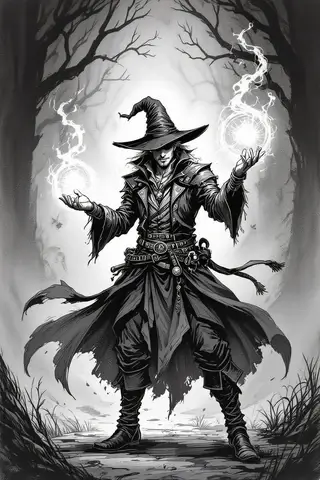
Creating tangible rewards like treasure and spell cards can add excitement to your DnD sessions. Here are some examples to get you started:
- Treasure Card:
- Name: Healing Potion
- Effect: Restores 2 hearts.
- Uses: 1
- Picture Cue: (draw a potion bottle)
- Spell Card:
- Name: Fireball
- Effect: Deals 3 damage to one enemy.
- Uses: 1
- Picture Cue: (draw a fireball)
Tip: Encourage kids to draw their own treasure and spell cards. This adds a personal touch and reinforces their connection to the game.
12.3 One-line NPC card template and sample
Using NPC cards can streamline gameplay and enhance storytelling. Here’s a simple template along with a sample NPC introduction:
NPC Card Template
- Name: __________
- Hook: __________
- Quirk: __________
- Reward: __________
Sample NPC Card
- Name: Timmy the Toad
- Hook: “Help! I’ve lost my favorite lily pad!”
- Quirk: Always jumps when excited.
- Reward: A magical pebble that grants a wish.
Example: This format allows you to quickly introduce NPCs and keeps the game moving smoothly.
13. Resources & complementary tools (curated list)
Having the right resources can make a big difference in running DnD sessions with kids. Here are some curated tools and materials to consider:
- D&D Young Adventurer’s Guide: This book simplifies mechanics for younger players, making it a great starting point. It can be used to explain rules and concepts in a kid-friendly way.
- Setup Steps: Open the book, choose a chapter that interests you, and read together with the kids to introduce them to the game.
- Dungeon Master Academy: This website offers valuable tips and resources for running games with kids. It provides insights into storytelling and managing player dynamics.
- Setup Steps: Visit the site, browse through articles, and select a few strategies to implement in your next session.
- Etsy Bundles: Look for printable packs like the Game Master Toolbox or 3000 Fantasy Village maps for visual aids that enhance gameplay.
- Setup Steps: Download the files, print them out, and prepare them for your next session.
13.1 How to use each resource in a kid-friendly way
Effectively utilizing resources can enhance your DnD experience with kids. Here’s how to use some key materials in a kid-friendly way:
- Young Adventurer’s Guide: Use this book to introduce basic mechanics and character creation. Read sections aloud and discuss them with the kids to ensure understanding.
- Kid-Friendly Setup: Choose a chapter, read together, and ask questions to engage the kids in the material.
- Etsy Printable Packs: Use printable maps and tokens to visually enhance your game. Have the kids help with coloring and cutting out materials to increase their investment in the game.
- Kid-Friendly Setup: Download the files, print them at home, and have a crafting session where the kids can help prepare the items together.
13.2 Quick setup steps for each recommended resource
Setting up resources for your DnD sessions doesn’t have to be complicated. Here’s how to quickly prepare some of the recommended items:
- Game Master Toolbox:
- Step 1: Purchase the bundle on Etsy.
- Step 2: Download the files to your computer.
- Step 3: Print the materials you intend to use for your next session (10–20 minutes for printing and cutting).
- 3000 Fantasy Village Maps:
- Step 1: Purchase the map bundle on Etsy.
- Step 2: Download the files and choose the maps you want to use.
- Step 3: Print the maps and have them ready for gameplay (10–15 minutes for printing).
14. Sample one-shot: ‘Lost Puppy on Willow Road’ (30–45 min)
Running a one-shot adventure can be a great way to introduce kids to DnD. Here’s a simple outline for a quick adventure titled “Lost Puppy on Willow Road”:
- Scene Timings:
- Intro (0–5 mins): Introduce the setting and the quest to find the lost puppy.
- Forest Path (5–20 mins): Players navigate through the forest, encountering friendly animals and minor challenges.
- Fox Lair Combat (20–35 mins): Engage in a light encounter with a fox that guards the puppy.
- Rescue/Party (35–45 mins): Celebrate the successful rescue of the puppy and reward players.
Keep the tone light and fun, emphasizing teamwork and creativity. This adventure can easily be adapted for different age groups by adjusting the complexity of encounters.
14.1 Scene-by-scene timing and GM notes
Here’s a breakdown of the scenes in the “Lost Puppy on Willow Road” adventure, along with GM notes to help you facilitate the game:
- Intro (0–5 mins):
- GM Note: Set the scene in a cozy village where the players hear about a lost puppy.
- Prop List: Use a picture of the puppy to show players.
- Forest Path (5–20 mins):
- GM Note: Describe the lush forest and the sounds of nature. Introduce friendly creatures that offer help.
- Alternative Beat: If players seem bored, introduce a treasure map clue to add excitement.
- Fox Lair Combat (20–35 mins):
- GM Note: A fox appears, guarding the puppy. Use a simple combat mechanic (tag or pretend fight).
- Fallback Beat: If tensions rise, remind players they can negotiate with the fox instead of fighting.
- Rescue/Party (35–45 mins):
- GM Note: Celebrate the rescue with a small feast in the village. Offer rewards like stickers or tokens.
- Prop List: Have simple snacks ready to share after the adventure!
14.2 Variations for younger/older players
Adjusting the adventure for different age groups can enhance engagement. Here are variations for the “Lost Puppy on Willow Road” adventure:
- Younger Players (Ages 4–6):
- Mechanics: Replace combat with a simple game of tag to “catch” the fox.
- Narrative Tweak: Emphasize the puppy’s cuteness and use more playful language.
- Older Players (Ages 10–12):
- Mechanics: Introduce a gridless combat system where players can use strategic movements.
- Narrative Tweak: Add moral dilemmas, like whether to help the fox or just rescue the puppy.
Tailor the complexity of the adventure based on the age group, ensuring that everyone can participate and enjoy the story.
15. Next steps: scaling difficulty and progression
As your kids become more comfortable with DnD, gradually introducing complexity can keep the game engaging. Here’s how to scale difficulty and progression:
- Add Complexity Over Weeks: Start with simple mechanics and gradually introduce new rules and elements week by week. For example, begin with basic character abilities and then add inventory management or more complex spell systems.
- Tip: Keep a simple log of what new rules you introduce and how well the group adapts to them. This will help you plan future sessions and ensure that everyone is progressing at a comfortable pace.
- Track Progression: Keep a record of characters’ achievements and growth. Encourage kids to maintain hero journals where they can write about their adventures, which helps them invest in the story.
- Example: Create a one-page session log to track wins, new items, and future hooks for the next game.
15.1 How to add complexity over weeks
To effectively add complexity to your DnD sessions over time, consider a structured weekly approach. For example, in Week 1, focus on simple character creation and storytelling. In Week 2, introduce basic dice mechanics, such as rolling a d6 for skill checks, which can be easily understood by younger players. By Week 3, you might add team roles, encouraging players to assume different responsibilities during gameplay, like a leader or a scout.
Continue this gradual introduction until Week 6, where you can introduce a mini-level-up system, allowing players to improve their characters’ abilities. This could be as simple as gaining an extra heart for health or adding a new special power. This approach not only keeps the game fresh but also allows players to feel a sense of growth and achievement.
Example: After Week 4, you might ask, “Who wants to try out a new role in our next adventure? Let’s see how you can help the team in different ways!”
15.2 Keeping records and fostering long-term play
Maintaining continuity in your DnD sessions helps keep kids engaged over time. Here’s how to effectively track progress and foster long-term play:
- Session Log: Create a simple session log template for players to fill out after each game. Include sections for the date, wins, new items, and next hooks.
- Tip: Encourage kids to personalize their logs, perhaps by drawing or adding stickers related to their adventures.
- Digital Options: Consider using shared documents or photo albums to track progress digitally. This can make it easier for parents and kids to revisit their adventures together.
- Example: Set up a shared photo album where kids can upload pictures of their character drawings or memorable moments from sessions.
In conclusion, introducing kids to Dungeons & Dragons can be a rewarding journey for both you and your young players. By following the steps outlined in this guide—such as tailoring sessions to their age, using visual aids, and simplifying rules—you’ll create an engaging and enjoyable experience. Remember to celebrate their achievements and adapt the game as they grow. As you continue this adventure, keep the lines of communication open and encourage their creativity. Happy gaming, and may your dice always roll in your favor!
FAQ
- What age is appropriate to start playing DnD with kids?
Kids as young as 4 can start with simplified DnD focusing on storytelling. - How long should a DnD session be for younger children?
Sessions for ages 4-6 should last 15-20 minutes; ages 7-9 can be 30-45 minutes. - How can I simplify combat so kids enjoy it?
Use a straightforward system with a single die and clear success or failure outcomes. - What materials do I need to run a kid-friendly DnD session?
Essential materials include simplified character sheets, a d6 die, visual aids, and props. - How do I handle behavior problems during a session?
Set clear expectations, validate feelings, and redirect focus to maintain a positive environment.
Continue reading
- How to play DnD in Solo
How to play DnD solo: practical steps, tools, and templates for engaging solo campaigns. - How to use DnD Beyond?
Learn how to use D&D Beyond: step-by-step character builds, campaign management, and VTT integrations like Beyond20 in one practical guide.