Playing Dungeons & Dragons (DnD) solo can be a rewarding experience that offers unique benefits. One of the main advantages is the freedom to play at your own pace. You can dive deep into character development without the constraints of coordinating schedules with other players. This flexibility allows for a more intimate storytelling experience, where you can explore your character’s motivations and decisions without interruption. For instance, I once created a solo campaign where I could spend hours fleshing out my character’s backstory and personal quests, something I often didn’t have time for in group sessions.
However, playing solo does come with its limits. The cognitive load can increase significantly since you’re managing both the player and Game Master (GM) roles. You might find it challenging to maintain surprise or impartiality in your decisions, as you know the outcomes. Solo play is best suited for players who enjoy deep storytelling, have busy schedules that make group play difficult, or simply want to experiment with character builds without external pressure. If you’re someone who thrives on creativity, self-reflection, or narrative ownership, solo DnD might be a perfect fit for you.
What you’ll learn in this article
- 🎲1Understand the benefits of playing DnD solo and how it enhances storytelling.
- ✅2Set clear expectations and goals for your solo sessions to maintain focus.
- 🔎3Learn core rules and adaptations to simplify gameplay for one player.
- 🧙4♂️ Discover tools and platforms for solo DnD, including VTTs like Roll20 and Foundry.
- 🎲5Automate GM tasks using generators, macros, and random tables to streamline your experience.
- ✅6Create and manage a solo campaign effectively while adapting published modules for one player.
- 🔎7Design encounters tailored to solo play, ensuring balanced challenges.
- 🧙8♂️ Explore character builds and archetypes that work best for solo adventures.
- 🎲9Keep a journal for tracking progress and enhancing replayability.
- ✅10Troubleshoot common solo-play problems to maintain engagement and excitement.
- 🎲11Resources & complementary tools
- 🎲12Workflow examples & short procedures
- 🎲13Solo character builds and archetypes
- 🎲14Journaling, progress tracking, and replayability
- 🎲15Troubleshooting common solo-play problems
1. Why play DnD solo?
Playing Dungeons & Dragons (DnD) solo can be a rewarding experience that offers unique benefits. One of the main advantages is the freedom to play at your own pace. You can dive deep into character development without the constraints of coordinating schedules with other players. This flexibility allows for a more intimate storytelling experience, where you can explore your character’s motivations and decisions without interruption. For instance, I once created a solo campaign where I could spend hours fleshing out my character’s backstory and personal quests, something I often didn’t have time for in group sessions.
However, playing solo does come with its limits. The cognitive load can increase significantly since you’re managing both the player and Game Master (GM) roles. You might find it challenging to maintain surprise or impartiality in your decisions, as you know the outcomes. Solo play is best suited for players who enjoy deep storytelling, have busy schedules that make group play difficult, or simply want to experiment with character builds without external pressure. If you’re someone who thrives on creativity, self-reflection, or narrative ownership, solo DnD might be a perfect fit for you.
Benefits of solo play
The benefits of solo play extend beyond mere convenience. It allows for a level of experimentation that can be difficult in a group setting. You can try out different character builds or game mechanics without worrying about how they affect your party’s dynamics. This can be especially beneficial if you’re interested in honing your skills as a GM or exploring new narrative techniques. Plus, the ability to replay scenarios with different outcomes can lead to high replayability. For example, I often find myself revisiting a character’s choices to see how different decisions could change the story.
Moreover, solo play can enhance your creativity and problem-solving skills. With no one else to rely on, you’ll have to think on your feet and come up with inventive solutions to challenges. This experience can lead to greater satisfaction and ownership of your story. You can create a rich narrative tapestry that reflects your unique vision without compromise. If you’ve ever felt constrained by group dynamics, solo DnD might just be the creative outlet you need.
Limits and when solo play is a good fit
While solo DnD has its perks, it’s essential to recognize its limitations. One of the main challenges is the cognitive load—you’re responsible for both the player and GM roles, which can lead to decision fatigue. Moreover, you might miss the collaborative aspects of traditional play, such as shared storytelling and character interactions. Solo play is best suited for individuals who prefer deep, single-character arcs, or for those who find it difficult to gather a group regularly. If you’re a busy professional or a parent with limited time, solo DnD can be a great way to engage with the game on your terms.
To make the most of solo play, start with short sessions that focus on resolving a single objective. This way, you can gradually build your confidence and skills without overwhelming yourself. Additionally, consider using oracles (tools that help generate random outcomes) or sidekicks to assist with decision-making and to combat potential boredom. These strategies can help maintain engagement and provide the variety you might miss from group play.
2. Setting expectations and goals for solo sessions
Setting clear expectations and goals for your solo sessions is crucial for maintaining focus and momentum. First, determine what you want to achieve in each session. Are you looking to explore a new area, engage in a combat encounter, or develop your character’s story further? Having a clear objective will help guide your session and keep you from feeling aimless. For example, you might set a goal to resolve a specific quest or to explore a new dungeon within a 60-minute session.
Pacing is another critical aspect to consider. I recommend planning for sessions that last 30 to 90 minutes, depending on your schedule and preferences. Short sessions can focus on low-risk goals, while longer sessions can introduce more complex challenges, such as high-stakes encounters or time-sensitive quests. To help keep track of your progress, consider journaling your goals and outcomes after each session, tying them to milestones and experience points (XP) for character growth.
Session lengths, stakes, and pacing
When planning your solo sessions, consider the lengths and stakes involved. Short sessions of 30 to 90 minutes are perfect for resolving single objectives, such as completing a quest or engaging in a single combat encounter. For instance, you could plan a 60-minute session to explore one dungeon floor or engage in a social scene followed by a quick battle. Adjust the stakes according to the length of your session—shorter sessions can favor low-risk goals, while longer ones can incorporate ticking clocks or high-resource encounters.
To make pacing decisions even easier, you can create a simple framework for your sessions. For example, you might decide that a 90-minute session could include one major combat encounter and one social interaction. This way, you have a clear structure to follow that balances different aspects of gameplay. Remember, the key is to keep things flexible; if something takes longer than expected, allow yourself the grace to adapt your goals as needed.
Short-session vs long-arc goals
Establishing both short-session and long-arc goals is essential for maintaining engagement in your solo campaign. Short-session goals should focus on resolving a single objective, such as defeating a monster, completing a quest, or uncovering a piece of lore. These bite-sized goals can keep your sessions feeling rewarding and prevent burnout. On the other hand, long-arc goals can encompass broader campaign milestones, such as character growth or uncovering a larger plot.
To help align your micro-goals with macro objectives, consider mapping out a few sessions in advance. For example, if your long-arc goal is to rescue a kidnapped noble, you might break it down into three mini-arcs: 1. “Find the merchant who knows the noble’s location (1 session)” 2. “Infiltrate the bandit camp (3 sessions)” 3. “Confront the bandit leader in a final showdown (6 sessions).” This structure not only provides clarity but also helps maintain momentum throughout your campaign. As you complete short-term goals, you’ll feel a sense of achievement that propels you forward into longer arcs.
3. Core rules and solo-friendly rule adaptations
When playing DnD solo, it’s essential to keep the core rules intact while adapting them to fit your needs. One of the primary adaptations is simplifying bookkeeping to streamline gameplay. For instance, you can batch enemy rolls (rolling once for multiple enemies of the same type) and use average damage to speed up combat. This approach preserves the feel of the game without getting bogged down in minutiae.
Additionally, consider using oracles and sidekicks to enhance your solo experience. Oracles are tools that provide random outcomes, helping you generate unexpected twists in the story. Sidekicks, on the other hand, can assist with action economy by taking on some of the roles usually filled by other players. For example, if you’re playing a solo ranger, you might add a sidekick who can help with scouting and combat, allowing you to manage multiple tasks without feeling overwhelmed.
Simplifications that keep the system intact
To preserve the integrity of the game while making it more manageable for solo play, consider implementing several simplifications. For example, reduce the number of enemies in encounters by 25–50%, or convert mooks (low-level enemies) into 1 HP minions that can be dispatched quickly. This allows you to maintain the challenge without feeling overwhelmed by the number of opponents.
Another effective simplification is to pre-roll hit points for enemies and use average damage calculations instead of rolling for each attack. This not only speeds up combat but also helps you maintain a consistent flow during your sessions. For instance, if you’re facing a group of goblins, you can decide that each goblin deals an average of 5 damage instead of rolling each time. This approach helps keep the game moving while still providing a sense of challenge.
Handling skill checks, advantage/disadvantage, and saves
In solo play, handling skill checks, advantage/disadvantage, and saving throws can become cumbersome. To streamline this process, establish a clear method for determining difficulty classes (DCs) based on the situation and the NPC’s (non-player character’s) attitude. For example, if you’re trying to persuade a guard, the DC might be lower if you have a good rapport with them.
You can also use standard dice rolls for skill checks but consider pre-determining enemy saves to speed up gameplay. Instead of rolling for every enemy, you can assign a fixed save value based on their level or expertise. Additionally, consider leveraging oracles for ambiguous results—roll a d20 and compare it against an NPC resistance table to determine success or failure.
4. Tools & platforms for solo DnD
Using the right tools can significantly enhance your solo DnD experience. For analog tools, consider using a session journal template to document your progress and decisions. You can also utilize printed character sheets and physical dice for a tactile experience. Moreover, dice apps on your phone can provide portability and convenience, allowing you to roll whenever and wherever you play.
On the digital side, platforms like D&D Beyond, Fight Club 5, and lightweight virtual tabletops (VTTs) can help manage character information and automate certain aspects of gameplay. For instance, VTTs can provide battlemaps and tokens, while character managers can help track hit points and spells. Google Sheets can be a useful tool for organizing your notes and calculations, allowing you to keep everything in one place.
Analog tools (journals, dice apps)
Analog tools are a great way to engage with your solo DnD sessions. A session journal template can help you track key events, NPC interactions, and your character’s status. For example, you might include fields for the session number, date, player character (PC) health, inventory, and any significant outcomes from your session. This documentation not only aids continuity but also allows for reflection on your character’s journey.
In addition to journaling, consider using printed character sheets and physical dice for a more immersive experience. Physical tokens or miniatures can also enhance your sessions, as they provide a visual representation of your character and the world around you. If you prefer digital tools, dice apps can be an excellent alternative, offering convenience and portability while ensuring you can roll whenever you need to.
Virtual Tabletops and apps (what to automate)
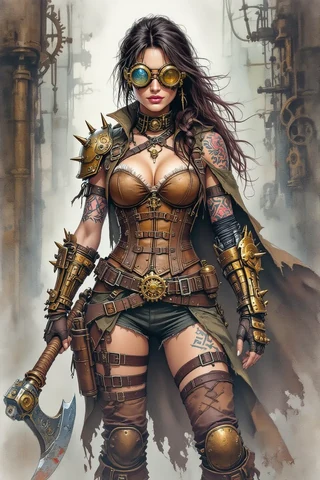
When using virtual tabletops (VTTs) for solo DnD, focus on automating repetitive tasks to save time and streamline gameplay. For example, you can automate HP tracking, initiative rolls, and repeated enemy attacks. Lightweight VTTs like Owlbear Rodeo can help you set up battlemaps and tokens quickly without a steep learning curve. For advanced users, Foundry offers more robust features but requires a bit more setup.
When automating, remember the rule of thumb: automate repetitive bookkeeping tasks while keeping narrative choices manual. This approach preserves immersion and ensures that you still feel connected to the story you’re unfolding. For instance, you might automate enemy initiative rolls while manually narrating the encounter, allowing for a more engaging experience.
5. Automating the GM: generators, macros, and random tables
Automating your solo DnD sessions can significantly enhance your gameplay experience. Utilizing oracles, random tables, and simple macros can simulate GM decisions and provide unexpected twists in your narrative. For instance, a Monster Actions Table can help prevent metagaming by offering a structured way to determine enemy actions without you needing to decide. This creates a more dynamic encounter while keeping the game flowing smoothly.
You can also create copy-paste oracle prompts for AI tools or use simple spreadsheet snippets to aid in decision-making. For example, you might use a basic formula to generate yes/no outcomes for critical choices. This can reduce the cognitive load of having to make every decision on your own, allowing for a more organic storytelling experience.
Simple macro examples for combat and loot
Creating macros can streamline your solo DnD experience, especially during combat and loot generation. For instance, a batch-attack macro can help you quickly resolve actions for multiple enemies. You can roll once for the entire group and calculate damage based on average hits. Here’s a simple example you can use:
Combat Macro:
Roll d20 for attack → if hit, damage = average damage × number of hits.
For loot generation, you can create a loot macro that rolls on a treasure table and applies a rarity modifier. This will help you determine what your character finds quickly. Here’s a quick example:
Loot Macro:
Roll on treasure table + rarity modifier.
Using these macros can significantly reduce the time spent on bookkeeping, allowing you to focus more on storytelling and character development.
Random table design and copy-paste tables
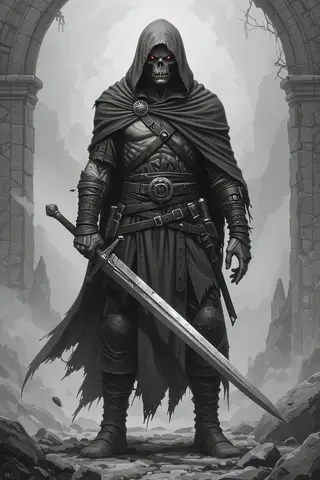
Designing random tables can add an element of surprise and excitement to your solo sessions. When creating tables, keep the entries short and actionable, and scale them appropriately—use a d6 for small tables, a d20 for medium ones, and a d100 for larger ones. For example, you might create a simple 12-entry Monster Actions Table that outlines various actions enemies can take during combat.
Here’s a sample 12-entry table for quick reference:
| Roll | Monster Action |
|---|---|
| 1 | Attack with melee weapon |
| 2 | Cast a spell |
| 3 | Use an ability |
| 4 | Move to cover |
| 5 | Flee from combat |
| 6 | Taunt the player |
Keeping tables under 20 entries ensures that you can quickly reference them during gameplay. Mark entries with hooks or complications to keep things dynamic and engaging. For instance, you could add an entry that states, “The monster calls for reinforcements!” This can create a sense of urgency and challenge during your session.
By implementing these strategies, you’ll find that automating aspects of your solo DnD sessions can dramatically improve the overall flow and enjoyment of your gameplay.
6. Creating and managing a solo campaign
When you embark on a solo D&D adventure, creating a campaign can feel daunting, but it doesn’t have to be! The key is to simplify your worldbuilding process. Focus on developing 5 to 8 key locations that your character can explore. Begin with some starter hooks—these are intriguing plot points or events that can propel your story forward. For instance, you might have a missing merchant’s cart, an ancient ruin with untold treasures, or a tavern rumor about a hidden treasure. By leaving some areas as ‘?’, you can maintain a sense of mystery and discovery.
To manage your campaign effectively, keep session logs and track milestones. A session log is a record of what happened during each play session, helping you remember key events and NPC interactions. Use a simple format: record the session number, date, player character (PC) status, key outcomes, and any oracle rolls (random decisions made using a table). This way, you can keep continuity and avoid retconning (changing past events). Additionally, tracking milestones, such as character leveling or story arcs, can help you maintain a sense of progression throughout your solo journey.
Worldbuilding fast — starter hooks
When you embark on a solo D&D adventure, creating a campaign can feel daunting, but it doesn’t have to be! The key is to simplify your worldbuilding process. Focus on developing 5 to 8 key locations that your character can explore. Begin with some starter hooks—these are intriguing plot points or events that can propel your story forward. For instance, you might have a missing merchant’s cart, an ancient ruin with untold treasures, or a tavern rumor about a hidden treasure. By leaving some areas as ‘?’, you can maintain a sense of mystery and discovery.
To manage your campaign effectively, keep session logs and track milestones. A session log is a record of what happened during each play session, helping you remember key events and NPC interactions. Use a simple format: record the session number, date, player character (PC) status, key outcomes, and any oracle rolls (random decisions made using a table). This way, you can keep continuity and avoid retconning (changing past events). Additionally, tracking milestones, such as character leveling or story arcs, can help you maintain a sense of progression throughout your solo journey.
Campaign management: session logs and milestone tracking
To manage your campaign effectively, keep session logs and track milestones. A session log is a record of what happened during each play session, helping you remember key events and NPC interactions. Use a simple format: record the session number, date, player character (PC) status, key outcomes, and any oracle rolls (random decisions made using a table). This way, you can keep continuity and avoid retconning (changing past events). Additionally, tracking milestones, such as character leveling or story arcs, can help you maintain a sense of progression throughout your solo journey.
By implementing these strategies, you’ll find that automating aspects of your solo DnD sessions can dramatically improve the overall flow and enjoyment of your gameplay.
7. Encounter design for one player
Designing encounters for a solo player requires a different approach than traditional group play. The primary goal is to scale encounters appropriately, which means reducing the number of enemies or using minions (weaker enemies that can support a stronger enemy). For example, if a typical encounter features four enemies, consider scaling it down to one main foe and two minions. This adjustment helps maintain the challenge without overwhelming you as the solo player.
In addition to combat encounters, think about incorporating non-combat alternatives. These can include puzzles, environmental hazards, or negotiation scenarios. For instance, you might face a collapsing bridge that requires a dexterity saving throw to avoid falling. This adds variety to your gameplay and encourages creative problem-solving. You can also create an encounter budget based on XP (experience points) or threat levels to ensure each session remains engaging.
Scaling encounters and non-combat alternatives
Designing encounters for a solo player requires a different approach than traditional group play. The primary goal is to scale encounters appropriately, which means reducing the number of enemies or using minions (weaker enemies that can support a stronger enemy). For example, if a typical encounter features four enemies, consider scaling it down to one main foe and two minions. This adjustment helps maintain the challenge without overwhelming you as the solo player.
In addition to combat encounters, think about incorporating non-combat alternatives. These can include puzzles, environmental hazards, or negotiation scenarios. For instance, you might face a collapsing bridge that requires a dexterity saving throw to avoid falling. This adds variety to your gameplay and encourages creative problem-solving. You can also create an encounter budget based on XP (experience points) or threat levels to ensure each session remains engaging.
Environmental hazards and asymmetric challenges
When designing encounters, consider adding environmental hazards that can create dynamic situations. These could include pitfalls, fire traps, or magical anomalies that affect combat. Asymmetric challenges, where the player must use their environment creatively to succeed, can also enhance gameplay. For example, your character might need to navigate a room filled with swinging blades while trying to defeat an enemy, requiring both tactical thinking and quick reflexes.
By incorporating these elements, you’ll create engaging and varied encounters that keep solo play exciting and fresh. Remember to balance the challenges according to your character’s abilities to maintain a fun experience.
8. Running combat solo: tactics, action economy, and streamlining
When running combat solo, managing the action economy is crucial. This concept refers to how many actions each side can take during a fight. To streamline combat, group similar enemies together and roll for them as a unit. For example, if you’re facing three goblins, roll a single initiative for the group rather than for each goblin individually. This reduces the number of rolls and speeds up gameplay, allowing you to focus on narrative elements rather than being bogged down by mechanics.
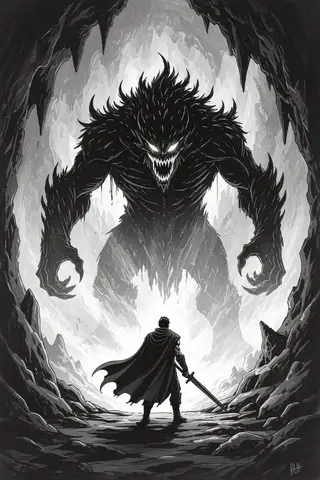
In addition, consider using a fast-resolution technique for combat. This could involve averaging damage for enemy attacks or pre-rolling hit points (HP) for enemies before the encounter begins. A simple four-step procedure to resolve a typical fight could look like this: 1. **Setup**: Define the environment and objectives (e.g., survive, defeat enemies). 2. **Player Turn**: Take your actions, roll for attacks, and apply damage. 3. **Enemy Group Action**: Roll for the enemy group’s attack and apply damage. 4. **Wrap Up**: Conclude the round, loot if applicable, and prepare for the next turn.
Managing multiple NPCs and initiative variants
When running combat solo, managing the action economy is crucial. This concept refers to how many actions each side can take during a fight. To streamline combat, group similar enemies together and roll for them as a unit. For example, if you’re facing three goblins, roll a single initiative for the group rather than for each goblin individually. This reduces the number of rolls and speeds up gameplay, allowing you to focus on narrative elements rather than being bogged down by mechanics.
In addition, consider using a fast-resolution technique for combat. This could involve averaging damage for enemy attacks or pre-rolling hit points (HP) for enemies before the encounter begins. A simple four-step procedure to resolve a typical fight could look like this: 1. **Setup**: Define the environment and objectives (e.g., survive, defeat enemies). 2. **Player Turn**: Take your actions, roll for attacks, and apply damage. 3. **Enemy Group Action**: Roll for the enemy group’s attack and apply damage. 4. **Wrap Up**: Conclude the round, loot if applicable, and prepare for the next turn.
Fast-resolution techniques and example procedures
To streamline your combat experience, consider implementing fast-resolution techniques. One approach is to average damage across multiple attacks instead of rolling each time. For example, if an enemy typically deals 1d8 damage, you might decide that they deal an average of 4 damage per hit. This can significantly speed up combat and reduce the number of dice rolls you have to make.
Another technique is to pre-roll HP for enemies before the combat starts. This way, you can maintain the flow of the game without needing to stop and roll every time you engage in a fight. For instance, if you’re facing a group of goblins, you can determine their HP beforehand and simply reference it during combat.
9. Roleplaying and NPCs when you’re alone
Roleplaying in a solo campaign can be challenging since you are both the player and the game master (GM). To enhance your experience, create an NPC persona template that includes fields for name, role, motivation, quirk, and attitude toward your character. This template can help you maintain consistent behaviors and traits for your NPCs. For instance, if you create an NPC who is a merchant, their motivation might be profit, and their quirk could be a tendency to over-explain their wares.
Additionally, utilize decision trees for NPC interactions. For example, if your character approaches an NPC, you can roll to determine their response based on their attitude—cooperative, neutral, or hostile. This adds depth to interactions and keeps them dynamic. Social scenes can be initiated with short prompts, such as “The local tavern is buzzing with rumors about a dragon sighting. What do you do?” This encourages improvisation and keeps the narrative flowing.
NPC persona template & decision trees
To enhance your experience, create an NPC persona template that includes fields for name, role, motivation, quirk, and attitude toward your character. This template can help you maintain consistent behaviors and traits for your NPCs. For instance, if you create an NPC who is a merchant, their motivation might be profit, and their quirk could be a tendency to over-explain their wares.
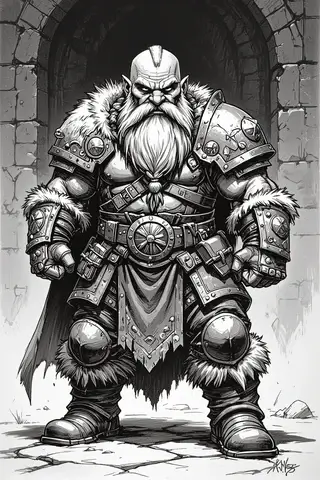
Additionally, utilize decision trees for NPC interactions. For example, if your character approaches an NPC, you can roll to determine their response based on their attitude—cooperative, neutral, or hostile. This adds depth to interactions and keeps them dynamic. Social scenes can be initiated with short prompts, such as “The local tavern is buzzing with rumors about a dragon sighting. What do you do?” This encourages improvisation and keeps the narrative flowing.
Social scenes and improvisation prompts
When engaging in social interactions, consider using improvisation prompts to guide the conversation. For example, you might ask yourself questions like, “What does this NPC want?” or “How does this character feel about my character?” This can help you navigate dialogues more fluidly and create engaging interactions.
Moreover, developing a few key NPCs with distinct voices and backgrounds can help you immerse yourself in roleplaying. You might even write out some lines or catchphrases for your NPCs to enhance their personality and make them feel more alive during your sessions.
10. Adapting published modules and adventures for one player
Adapting published D&D modules for solo play can be a rewarding experience, allowing you to enjoy existing stories while tailoring them to your needs. Start by assessing the gap between the original party size and your solo adventure. For example, if the module is designed for four players, consider scaling encounters down by using fewer enemies or introducing sidekicks (support characters that help your main character).
Next, create a quick conversion checklist. This could include: 1. Assess the party-size gap. 2. Scale encounters according to your character’s level. 3. Replace group roles with sidekicks or oracles. 4. Inject personal hooks to make the story more engaging. 5. Playtest and adjust as necessary.
Quick conversion steps (3–6 steps)
Adapting published D&D modules for solo play can be a rewarding experience, allowing you to enjoy existing stories while tailoring them to your needs. Start by assessing the gap between the original party size and your solo adventure. For example, if the module is designed for four players, consider scaling encounters down by using fewer enemies or introducing sidekicks (support characters that help your main character).
Next, create a quick conversion checklist. This could include: 1. Assess the party-size gap. 2. Scale encounters according to your character’s level. 3. Replace group roles with sidekicks or oracles. 4. Inject personal hooks to make the story more engaging. 5. Playtest and adjust as necessary.
Using pregens and sidekicks
Incorporating pregenerated characters and sidekicks into your solo campaign can enhance your experience. Pregens are pre-made characters that you can use to fill roles in your adventure without needing to create them from scratch. This can save you time and allow you to focus on the story.
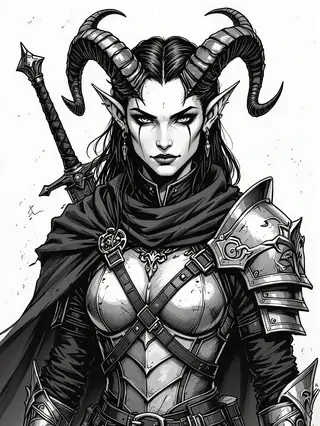
Sidekicks can provide additional support during encounters, allowing you to manage challenges more effectively. They can take on various roles, such as a healer, scout, or additional damage dealer, depending on your needs. By carefully selecting sidekicks that complement your character, you can create a more dynamic and engaging solo experience.
11. Resources & complementary tools
When diving into solo DnD, having the right resources can make all the difference. To choose assets, battlemaps, and token packs effectively, consider your style, resolution, and potential for reuse. For instance, if you’re looking to print your materials, aim for assets with a resolution of at least 72 DPI. Bundles often provide better long-term value since they offer a variety of themes, allowing you to use them across multiple campaigns.
Always check for tokens with transparent backgrounds, as they blend seamlessly into your maps, enhancing immersion. If you’re looking for battlemaps, choose those that can serve multiple encounter types rather than single-scene maps. This way, you maximize your investment while keeping your sessions dynamic.
How to choose assets, battlemaps, and token packs
When diving into solo DnD, having the right resources can make all the difference. To choose assets, battlemaps, and token packs effectively, consider your style, resolution, and potential for reuse. For instance, if you’re looking to print your materials, aim for assets with a resolution of at least 72 DPI. Bundles often provide better long-term value since they offer a variety of themes, allowing you to use them across multiple campaigns.
Always check for tokens with transparent backgrounds, as they blend seamlessly into your maps, enhancing immersion. If you’re looking for battlemaps, choose those that can serve multiple encounter types rather than single-scene maps. This way, you maximize your investment while keeping your sessions dynamic.
Recommended GM Craft Tavern items (selectively referenced)
As you explore the vast world of solo DnD tools, I highly recommend checking out some curated items from GM Craft Tavern. Here are a few standout selections:
- Game Master Toolbox (big asset bundle) — Use this for rapid map, token, and encounter creation.
- Dungeons & Dragons Compatible Character Arts — Perfect for creating PC portraits and NPC cards.
- 165,000 Dungeons & Dragons Compatible Battlemaps — Provides diverse maps for various encounters.
12. Workflow examples & short procedures
Getting started with solo DnD can feel overwhelming, but having a clear workflow can simplify the process. Here’s a quick guide to help you prepare a solo session efficiently:
- Define your goal: Decide what you want to achieve in this session. Is it combat, exploration, or social interaction?
- Prepare tables: Gather any necessary tables for random encounters, loot, or NPC quirks.
- Map 5–8 nodes: Create or select key locations for your adventure. This can be as simple as drawing a few points on a paper or using a digital tool.
- Design NPCs: Create 2 NPCs that will interact with your character, each with their own motivations and quirks.
- Design 2–3 encounters: Plan out what challenges your character will face, whether it’s combat or puzzles.
- Review character state: Check your character’s health, inventory, and status before diving in.
By following this streamlined process, you can prepare a solo session in under an hour, making your gameplay experience more enjoyable and less stressful.
13. Solo character builds and archetypes
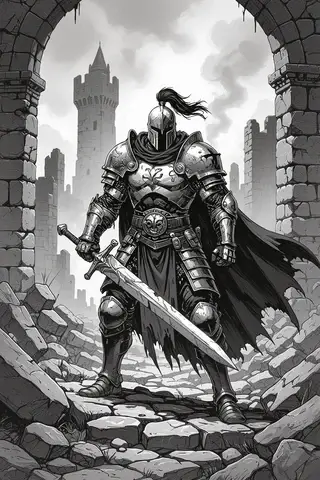
When it comes to creating a character optimized for solo play, certain classes shine due to their versatility and survivability. Here are two example builds that work well for solo DnD:
- Sorcerer (Draconic/Divine Soul variant): This build focuses on flexibility and control with Metamagic options. Prioritize spells like Shield, Magic Missile, and Scorching Ray for offense and defense. Aim for a high Charisma (the primary ability score for Sorcerers) to maximize spell potency.
- Cleric (Life Domain): This class excels in survivability and support. With access to healing spells and strong defensive capabilities, a Life Domain Cleric can sustain themselves through tough encounters. Equip spells like Healing Word and Bless to keep your character and any allies in the fight.
When building your character, consider how background choices (like Folk Hero or Sage) can enhance your solo experience by providing additional skills or story hooks.
Two example builds optimized for solo play
Here are two example builds that work well for solo DnD:
- Sorcerer (Draconic/Divine Soul variant): This build focuses on flexibility and control with Metamagic options. Prioritize spells like Shield, Magic Missile, and Scorching Ray for offense and defense. Aim for a high Charisma (the primary ability score for Sorcerers) to maximize spell potency.
- Cleric (Life Domain): This class excels in survivability and support. With access to healing spells and strong defensive capabilities, a Life Domain Cleric can sustain themselves through tough encounters. Equip spells like Healing Word and Bless to keep your character and any allies in the fight.
When building your character, consider how background choices (like Folk Hero or Sage) can enhance your solo experience by providing additional skills or story hooks.
Tips for resilience and versatility
When creating your solo character, it’s important to focus on resilience and versatility. Choose spells and abilities that allow you to adapt to various situations. For instance, opting for healing spells can help you survive longer during encounters, while crowd control spells can help you manage multiple foes effectively.
Consider selecting a background that complements your character’s goals and motivations, as this can add depth to your storytelling experience. By carefully crafting your character’s abilities and backstory, you can create a more engaging and rewarding solo adventure.
14. Journaling, progress tracking, and replayability
Keeping track of your adventures is crucial for maintaining continuity and enhancing replayability in your solo DnD sessions. A well-structured session log can help you remember key events, NPC interactions, and plot developments. Here’s a simple template to get you started:
- Session #:
- Date:
- PC Status: (health, level, notable items)
- Inventory: (key items, loot acquired)
- Key Events: (major plot points, character decisions)
- Oracle Rolls: (any relevant oracle-driven outcomes)
- Lessons Learned: (what worked well, what to improve)
- Next Hook: (what to pursue in the next session)
After a session where your character saved a village from a bandit raid, you might note the key NPCs you’ve met, any treasures found, and the villagers’ gratitude as a hook for future adventures.
Make it a habit to log your session within 30 minutes after finishing. This will help you retain details and keep your narrative fresh for future sessions.
15. Troubleshooting common solo-play problems
Solo DnD can present unique challenges, such as boredom, predictability, and difficulty balancing encounters. Here are effective strategies to troubleshoot these common issues:
- Boredom and predictability: If you find yourself stuck in repetitive scenarios, inject variety. Consider adding complications to your adventure, like an unexpected betrayal or a sudden environmental hazard that alters your plans. You can also rotate your character’s objectives every few sessions to keep things fresh.
- Difficulty balance: If combat encounters are too easy or hard, you can adjust on the fly. For example, if a fight feels too easy, increase the number of enemies or their HP. Conversely, if it’s too challenging, consider reducing the enemy count or their damage output.
By having these strategies at hand, you can maintain a dynamic and engaging solo campaign, ensuring your adventures in DnD remain thrilling and fulfilling.
Fox’s take
In conclusion, embarking on a solo DnD journey opens up a world of possibilities for storytelling, character development, and personal growth. By setting clear goals, utilizing the right tools, and adapting encounters to suit your playstyle, you can create a fulfilling solo campaign that keeps you engaged. So why not take the plunge? Gather your materials, set your objectives, and start your adventure today! Happy gaming!
FAQ
How do I balance combat encounters for a single player?
Reduce enemy numbers by 25-50% and consider using minions.
Can I adapt published DnD modules for solo play, and how?
Yes, scale encounters down and use sidekicks to assist.
What tools best simulate a GM when I’m playing alone?
Use oracles, random tables, and virtual tabletops for automation.
How do I keep the story engaging without other players?
Create rich NPCs and varied objectives to maintain interest.
Are there recommended solo character builds that work well?
Sorcerers and Clerics are great for solo play due to their versatility.
Continue reading
- How to use DnD Beyond?
Learn how to use D&D Beyond: step-by-step character builds, campaign management, and VTT integrations like Beyond20 in one practical guide. - How to create my own DnD character ?
Learn how to create a DnD character step-by-step with practical tips and tools.