As a Dungeon Master, I’m always on the lookout for ways to elevate my campaigns and keep my players engaged. One of the most effective tools in my arsenal is the mid-boss, a mini-villain that serves as a memorable challenge between the standard minions and the final boss. Crafting a compelling mid-boss encounter can not only test your players’ skills but also deepen the narrative experience. In this guide, I’ll walk you through the art of DnD mid-boss design, providing you with actionable steps, stat block examples, and encounter tactics to create unforgettable moments at your gaming table.
What you’ll learn in this article
- 🎲1Understand what a mid-boss is and how it differs from standard minions and final bosses in DnD campaigns.
- ✅2Learn design goals that ensure your mid-boss encounters are engaging and memorable for players.
- 🔎3Discover how to create a compelling backstory and motivations for your mini-villains.
- 🧙4♂️ Explore mechanical design tips for crafting balanced stat blocks and combat roles for mid-bosses.
- 🎯5Get inspired by unique abilities and tactical tools to differentiate your mid-boss from standard foes.
- 🗺6️ Utilize effective environmental designs and battlemap patterns to enhance the mid-boss encounter experience.
- 🚀7Find out how to structure pacing with minions and waves to keep players on their toes.
- 💰8Learn about loot ideas and rewards that can enhance player agency after defeating a mid-boss.
- ⚖9️ Understand how to balance and scale mid-boss encounters for mixed-level parties.
- 💻10Implement strategies for running mid-bosses in virtual tabletop (VTT) environments like Roll20 and Foundry.
- 🎲11Virtual Tabletop (VTT) Implementation & Automation
- 🎲12Playtesting & Iteration: Feedback Loops for Better Mid-Bosses
- 🎲13Sample Mid-Bosses: Three Ready-to-Use Examples
- 🎲14Sample Encounters & Encounter Outlines (3 Variations)
- 🎲15Tools, Assets & Platforms (practical resource list)
- 🎲16Resources & Complementary Tools (required format)
- 🎲17Quick Procedures & Templates (3–6 step recipes)
1. What is a Mid-Boss (Mid-Boss vs. Boss vs. Minion)
Defining scope, stakes, and player expectations
A mid-boss, often referred to as a “mini-villain,” serves as a bridge between the more common minions and the final boss in your Dungeons & Dragons campaign. Unlike standard foes that can be easily dispatched, mid-bosses are designed to be memorable and thematic, typically meant to be defeated in about 3–5 rounds. They are intended to test party synergy and create emotional stakes, often introducing foreshadowing elements that enrich the narrative without derailing the pacing of your session.
When setting up your mid-boss, it’s crucial to clearly communicate the stakes to your players. For example, let them know what might happen if they fail to defeat the mid-boss—whether it’s a chance for the enemy to escape and regroup or a pivotal plot point that could alter their quest. This clarity helps to manage player expectations, encouraging them to engage fully in the encounter.
When to use a mid-boss in a campaign
Knowing when to introduce a mid-boss can elevate your campaign’s narrative and pacing. Use them strategically as gatekeepers to key objectives, tests for party cohesion, or as revelations that push the story forward. For instance, if your players are on a quest to retrieve a stolen artifact, a mid-boss can confront them just before they reach their goal, forcing them to rethink their strategy as they face a formidable challenge.
Mid-bosses are also effective mid-session tools to change the pacing without concluding the entire adventure. If your game has been heavily focused on combat, introducing a mid-boss can shift gears and allow for roleplay opportunities, such as negotiating or finding alternative solutions to the confrontation. This way, you keep the session dynamic and engaging, ensuring players remain invested in the unfolding story.
2. Design Goals: What a Mid-Boss Must Achieve at the Table
Dramatic beats, pacing, and player-experience goals
A well-crafted mid-boss encounter should create memorable dramatic beats that resonate with your players. Start the encounter with a compelling hook—perhaps the mid-boss taunts the party or reveals critical information about the larger villain. As the fight progresses, build in escalation cues, such as environmental changes or the mid-boss adopting new tactics, keeping the players on their toes. Finally, wrap up the encounter with a satisfying conclusion, whether it’s a climactic victory, a narrow escape, or a moral dilemma that leaves players questioning their choices.
To maintain momentum, keep the encounter length short, ideally around 30 minutes. This helps maintain engagement and spotlight time for all players. Consider integrating emotional resonance by forcing players to make meaningful choices during the encounter, such as whether to spare the mid-boss or negotiate for information. By tying these beats to the broader campaign arc, you create a richer experience that enhances player investment.
Mechanical goals: threat, challenge, and decision points
From a mechanical standpoint, your mid-boss should provide tactical threats and meaningful challenges that encourage players to make strategic decisions. This can be achieved by ensuring that your mid-boss has a mix of abilities that challenge the party’s strengths and weaknesses. For example, if your party is heavy on melee fighters, consider giving the mid-boss area control abilities to force them to adapt their tactics.
Action economy is also crucial; balance the encounter by pairing the mid-boss with minions or environmental triggers that create additional layers of challenge. This forces players to decide whether to focus their efforts on the mid-boss or deal with the minions first. By providing clear decision points in the encounter, such as when to use resources or when to change tactics, you create an engaging tactical puzzle that goes beyond simple hit-point trading.
3. Character and Motivation: Making a Mini-Villain Memorable
Personality hooks, motivations, and conflicts
To make your mid-boss truly memorable, invest time in crafting a compelling personality and backstory. Give them clear motivations tied to the overarching campaign. For example, if your players are trying to thwart a nefarious cult, the mid-boss could be a devoted lieutenant willing to do anything to protect their leader. Adding quirks or personal stakes—like a tragic backstory or a conflicting personal code—humanizes the mid-boss and creates opportunities for roleplay.
Another effective strategy is to weave in player relationships. If one of your players has a backstory involving betrayal or rivalry, consider making the mid-boss someone from their past. This not only raises the emotional stakes but also offers potential non-combat resolutions, such as negotiating with the mid-boss or persuading them to switch sides.
One-line quotes, mannerisms, and roleplay prompts
Equipping your mid-boss with memorable one-liners and distinct mannerisms can significantly enhance the encounter’s impact. Prepare a few quotes that capture their personality and motivations. For example, a mid-boss who values loyalty might say, “I’d rather die than betray my master!” This not only establishes their character but also provides players with insight into their motivations.
Mannerisms can further enrich the roleplay experience; perhaps the mid-boss has a nervous tic or a signature gesture they use when speaking. These elements add depth and make the encounter feel alive. Additionally, consider crafting prompts for different phases of the fight—an opening taunt, a mid-fight revelation, and a final line upon defeat or surrender. This equips you with flexible roleplay tools that can escalate stakes and enable narrative options mid-combat.
4. Mechanical Design: Stat Blocks, CR, and Role in Combat
Building a compact stat block for 5e-style play
Creating a compact stat block for your mid-boss is essential for smooth gameplay. Start by selecting an existing stat block as a foundation, then boost the hit points (HP) and armor class (AC) modestly to suit your party’s level. Incorporate one or two signature abilities that reflect the mid-boss’s theme and role. For instance, if the mid-boss is a spellcaster, you might give them an area-effect spell that forces players to move strategically.
Additionally, include phase triggers that activate at certain HP thresholds, adding layers to the encounter. For example, when the mid-boss drops to half HP, they could gain a temporary buff or call in reinforcements. Make sure to provide saves and resistances that align with the mid-boss’s role in combat, shaping their interactions with the party.
Assigning roles: skirmisher, controller, striker, defender
When designing your mid-boss, it’s vital to assign a clear role that aligns with the encounter’s goals and your party’s composition. For example, a skirmisher role focuses on mobility and hit-and-run tactics, while a controller might utilize area effects to manipulate the battlefield. By defining the boss’s primary role, you can better design their actions and minions to support that role.
Consider providing counterplay options for your players. For instance, if the mid-boss is a defender type, highlight potential ways for the party to neutralize their defenses. This encourages strategic thinking and enhances player engagement. You can create a role checklist that includes the primary role, supportive actions, minion archetypes, and counterplay tips, ensuring that the encounter remains dynamic and challenging.
5. Unique Abilities, Gimmicks, and Tactical Tools
Designing one or two signature mechanics
To differentiate your mid-boss from standard foes, it’s crucial to design one or two signature mechanics that create unique tactical demands. These could be abilities that challenge players to think strategically rather than rely solely on brute strength. For instance, a mid-boss might have a “Poison Aura” that deals damage to any player within a certain range, forcing them to maneuver carefully during the fight.
When designing these mechanics, consider their triggers, effects, and how players might counter them. Providing limits on usage can prevent the encounter from becoming unwinnable. For example, if a mid-boss has a powerful ability, limit its use to once per combat or require a resource to activate it. This ensures that while the ability is impactful, it doesn’t overshadow the encounter.
Resistances, limited-use reactions, and environmental triggers
Incorporating resistances and limited-use reactions can add depth to your mid-boss’s combat role. Resistances should be used sparingly to shape the damage profile, while limited-use reactions, such as legendary resistances, can introduce tension and surprise. For example, a mid-boss might resist non-magical damage until a specific condition is met, like being exposed to a certain environmental hazard.
Additionally, consider integrating environmental triggers that modify the mid-boss’s abilities. For instance, if the battle takes place in a stormy environment, the mid-boss could gain temporary buffs during lightning strikes. This not only enriches the combat experience but also encourages players to interact with the environment creatively.
6. Environmental Design & Battlemap Patterns for Mid-Bosses
Map Pattern A: Choke-point tower (small tactical map)
Designing your encounter environment is crucial for enhancing the mid-boss experience. A choke-point tower is an excellent map pattern for creating tactical encounters. In this setup, the mid-boss controls a central platform that players must approach via narrow paths. This design encourages players to think strategically about movement and positioning, making it harder for them to overwhelm the mid-boss with numbers.
In addition to the tower structure, consider incorporating cover pillars and ledges that allow for tactical maneuvering. You can also introduce hazards, such as traps or environmental effects that activate when players enter certain areas. This encourages players to utilize their abilities creatively and keeps the encounter dynamic.
Map Pattern B: Multi-level ruin with hazards (verticality & zones)
Another effective map pattern for mid-boss encounters is a multi-level ruin that incorporates verticality and environmental hazards. This type of design allows players to navigate different levels, creating opportunities for height advantages and strategic play. You can add ledges, falling hazards, and areas that can be sealed or opened mid-fight, adding complexity to the encounter.
Incorporating zone-specific mechanics can further enrich the experience. For example, certain areas might cause damage over time or impose conditions like blindness or paralysis. Encourage players to use their abilities to navigate these zones effectively, rewarding creative problem-solving and teamwork.
Using map assets and ready battlemaps (resources & tips)
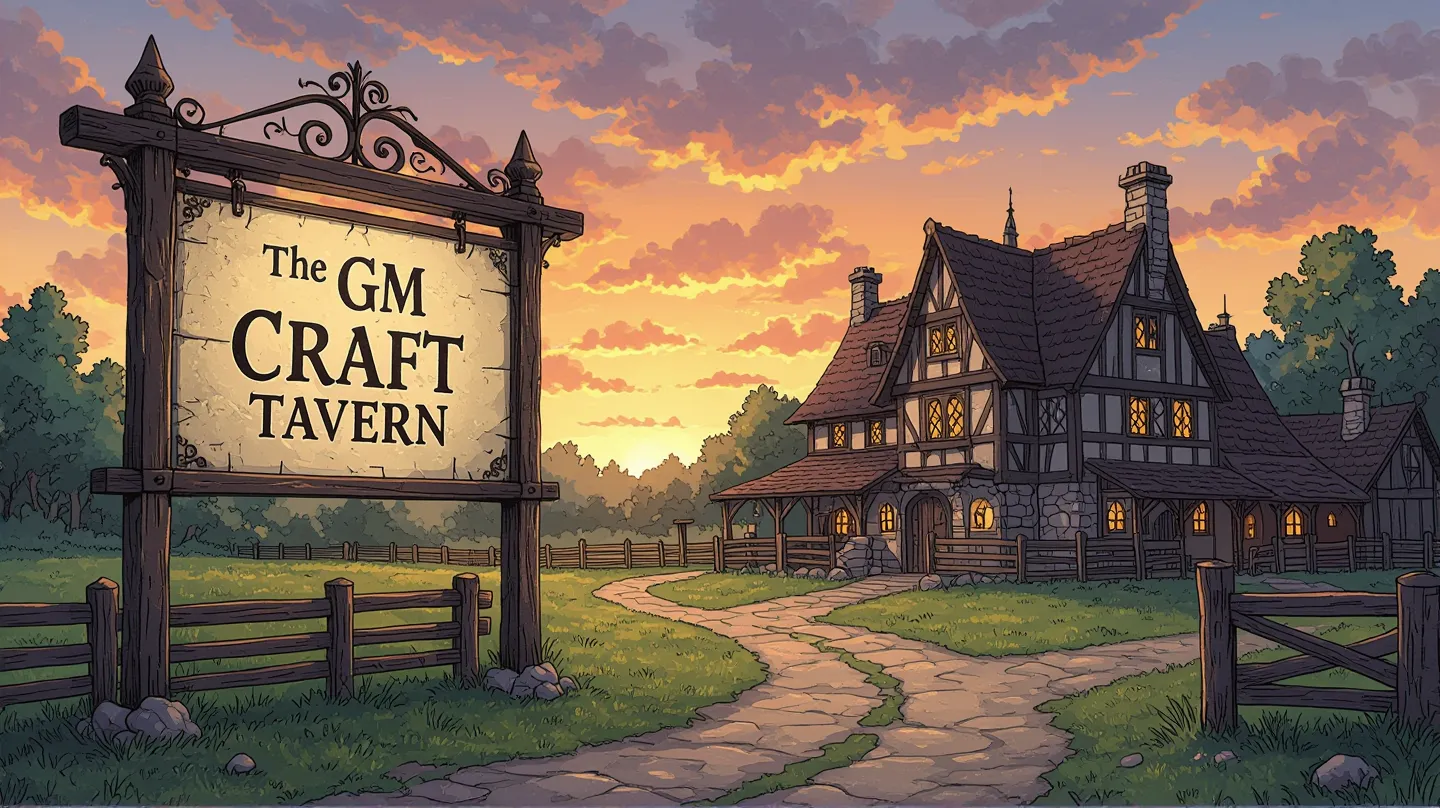
When it comes to designing your mid-boss encounters, using pre-made map assets can save you a significant amount of time and effort. Websites like GM Craft Tavern offer bundles that include a variety of battlemap options, such as the 165,000 Dungeons & Dragons compatible battlemaps. By selecting a themed map that fits your mid-boss’s environment—like a dark tower for a skirmisher or a multi-level ruin for a control-themed boss—you can create an engaging setting with minimal fuss.
To adapt these maps quickly for your session, follow these steps: 1. Download the chosen map; 2. Crop and scale; 3. Add hazard tokens; 4. Set line-of-sight (LOS) and auras; 5. Prepare spawn points. Remember to layer in thematic elements and hazards that reflect your mid-boss’s abilities or narrative.
7. Minions, Waves, and Pacing: How to Structure an Encounter
Three pacing archetypes (brutal, tactical, cinematic)
When structuring your mid-boss encounter, consider the pacing and how minions can enhance the overall experience. A well-designed encounter should engage your players and keep them on their toes. There are three primary pacing archetypes you can use: brutal, tactical, and cinematic. The brutal approach focuses on heavy upfront damage and shock, testing the players’ resilience; tactical involves minions and control mechanics, encouraging strategic planning; and cinematic features scripted phases and set pieces, emphasizing storytelling.
For example, if you choose the tactical approach, you might pair your mid-boss with ranged minions that force players to think critically about positioning and resource management. This can lead to a more engaging combat experience where players must adapt their strategies on the fly.
Sample minion sets and their synergies with the mid-boss
Minions can significantly enhance the effectiveness of your mid-boss, creating a more dynamic and challenging encounter. When selecting minions, consider how they can complement the mid-boss’s role. For instance, if your mid-boss is a skirmisher who excels in mobility, you might want to include bodyguard minions that can absorb damage and protect the boss, or support casters that can heal or buff the mid-boss.
Here’s a quick overview of three minion archetypes you might consider: bodyguard (defender), swarm (annoyance), and specialist (support/heal). For example, if your mid-boss is a control-focused caster, you might pair them with cultist minions who can cast spells to hinder the players, adding complexity to the encounter.
8. Loot, Rewards, and Player Agency After a Mid-Boss
Designing meaningful non-monetary rewards
After defeating a mid-boss, it’s essential to provide meaningful rewards that enhance player agency and further the story. Instead of focusing solely on monetary gains, consider offering narrative rewards like plot hooks, alliances, or unique items that tie back to the campaign’s overarching narrative. For instance, a defeated mid-boss might drop a ledger containing secrets about a larger enemy, or a cursed totem that gives players insight into their next challenge.
To design these rewards effectively, think about the following categories: narrative rewards, social rewards, and mechanical rewards. Encourage players to engage in discussions about their rewards. This not only enhances immersion but can also lead to additional plot threads that enrich the campaign.
Quick loot hooks and investigative rewards
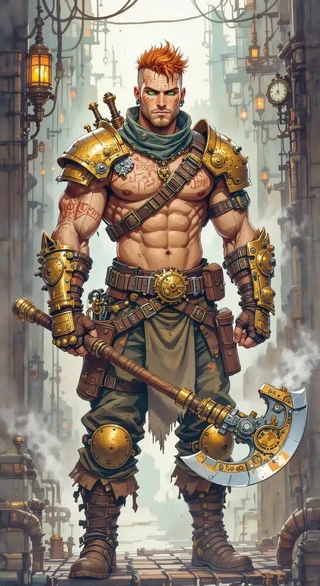
Incorporating investigative rewards into your mid-boss encounters can significantly enhance player engagement and drive the narrative forward. Attach at least one investigatory hook to the mid-boss’s defeat, such as a coded device or an incriminating document that opens new avenues for exploration.
Here are three quick loot hook templates you can use: incriminating document (a letter revealing the mid-boss’s connections to a larger plot), coded device (an artifact that requires deciphering), and rescued NPC (a character who possesses vital information about the overarching villain). If players discover a coded device, they might need to consult an NPC in a future session to decode it, leading to new challenges and interactions.
9. Balancing & Scaling: Adjustments Across Party Levels
Quick mathematical rules for HP, damage, and saves
Balancing your mid-boss encounter is crucial to ensuring a fun and engaging experience for all players, regardless of their level. A good rule of thumb is to target the mid-boss’s challenge rating (CR) to be about 2–3 levels below the party’s average level, with hit points (HP) designed to last around 3–5 rounds of combat. Here’s a quick formula you can use for balancing: HP: Average party level × 15 × (party size / 4); DPR (Damage per Round): Average party level × 10.
For example, if you have a party of four level 5 characters, aim for a mid-boss with approximately 75 HP and a DPR of around 50. This ensures that the mid-boss can put up a decent fight without overwhelming the players. Keep in mind the party composition when balancing encounters. If your players have a lot of high-damage characters, consider increasing the mid-boss’s HP or adding minions to maintain the challenge.
4-step scaling procedure for up/down-level parties
When adjusting mid-boss encounters for parties that are higher or lower in level than intended, a systematic approach can help ensure a balanced and enjoyable fight. Here’s a quick 4-step scaling procedure: Set Baseline Stats: Start with the intended mid-boss stats based on the average party level; Adjust for Party Size/Composition: Increase HP and damage output by about 25% for each additional player beyond the typical party size; Add Minions or Reactions: If the fight feels too easy, add a few minions or give the boss reactive abilities to keep the pressure on; Quick Test or Mental Sim: Run through the encounter in your mind to anticipate how it might play out and tweak as necessary.
For example, if your party size has increased from four to six players, consider boosting the mid-boss’s HP by 50% and adding a couple of low-HP minions to maintain the encounter’s challenge.
10. Running Mid-Bosses at the Table: Roleplay & Tactics
Table-facing language, timing, and spotlight management
To create a memorable mid-boss encounter, effective roleplay and tactical management are key. Use prepared lines and physical tics to enhance the boss’s personality and engage your players. For example, if your mid-boss is a cunning manipulator, have them taunt the players about their weaknesses at the start of the fight. Additionally, ensure that all players have the opportunity to shine during the encounter. Rotate the spotlight by calling attention to underused characters with prompts, such as, “The mid-boss suddenly locks eyes with you, as if they recognize you from their past.” This encourages players to think about their character’s backstory and how it can influence the fight.
Prepare a few scripted moments for when the mid-boss reaches certain HP thresholds, such as a dramatic reveal or a desperate plea for mercy. This can add layers of drama and tension to the encounter.
Improvisation tips when players subvert the plan
Players often come up with unexpected solutions during encounters, so being prepared to improvise can help keep the game flowing smoothly. Prepare fallback behaviors for your mid-boss in case players deviate from your planned script. For instance, if a player tries to negotiate instead of fighting, you might have the mid-boss respond with a demand for information or a temporary truce.
To facilitate improvisation, consider creating an improv table that maps common player actions to possible boss reactions. Here’s a simple example: If players attempt to flee, the mid-boss might send minions to block their path; if players try to negotiate, the mid-boss could offer a deal that reveals more about their motives; if players show mercy, the mid-boss may attempt to bargain for their life, leading to future plot twists.
11. Virtual Tabletop (VTT) Implementation & Automation
Token setup, auras, macros, and triggers
Using a virtual tabletop (VTT) for your mid-boss encounters can enhance engagement and clarity during gameplay. When preparing your tokens, consider using animations and auras to signify different abilities and conditions. For instance, if your mid-boss has an area-of-effect (AOE) attack, setting up an aura can visually communicate its range to the players.
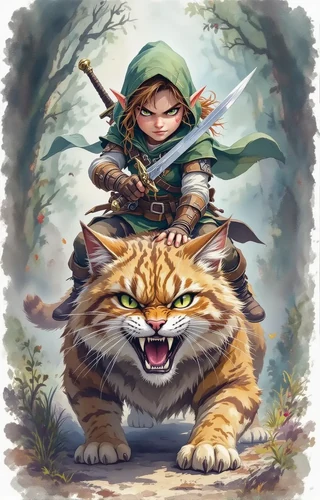
Here are some essential macros you might want to create for your mid-boss: Legendary Resistance Macro: To allow the mid-boss to reroll saving throws; Phase Change Token Swap: Change the token’s appearance when the mid-boss enters a new phase; Spawn Minion Macro: Automatically place minions on the battlefield when certain conditions are met. Don’t forget to include audio and visual cues for phase transitions. Simple sound effects or animations can significantly increase immersion and signal to players that the encounter is escalating.
3–5 step VTT prep procedure and quick macros to create
Setting up your mid-boss encounter on a VTT can be streamlined with a straightforward prep process. Here’s a concise 4-step procedure to ensure everything is ready for your session: Import map and tokens: Load the battlemap and character tokens into your VTT platform; Set auras and HP phases: Configure visual elements to represent the mid-boss’s abilities and health thresholds; Script spawn points and sound cues: Define where minions will spawn and add sound effects for dramatic moments; Quick test run: Conduct a test to ensure everything functions smoothly before the actual session.
Example macros to create: !legendres [target_token]: For legendary resistances; !phasechange [token_id, image, HPthreshold]: To change the appearance when the boss changes phases; !spawnminion [minion_type]: To spawn a specific type of minion when needed.
12. Playtesting & Iteration: Feedback Loops for Better Mid-Bosses
Short playtest loop (3–5 steps) and metrics to track
Playtesting your mid-boss encounters is essential for refining their mechanics and ensuring they provide the right level of challenge and engagement. Implementing a structured feedback loop can help you gather insights from your players and adjust future encounters accordingly. Here’s a quick 4-step loop you can follow: Gather feedback: Ask players specific questions about their experience after the encounter; Analyze logs: Review combat logs, including rounds taken and HP lost during the fight; Solo simulate: Run through the encounter alone to identify any potential issues or adjustments needed; Iterate: Apply the feedback and adjust the mid-boss for future sessions, tweaking mechanics or narrative elements as necessary.
Pay attention to not just mechanical feedback, but also emotional responses. Understanding how players felt during the encounter can guide you in creating engaging and memorable experiences.
Collecting qualitative feedback from players
Collecting qualitative feedback from your players can provide invaluable insights into how your mid-boss encounters are received. After the session, ask targeted questions that prompt players to reflect on their experience. For example, inquire about their favorite moments or any frustrations they encountered during the fight.
Here are five concise feedback prompts you can use: What did you enjoy most about the encounter? Did you find the mid-boss challenging? Why or why not? Were there any mechanics that felt frustrating or confusing? How did you feel about the narrative elements tied to the mid-boss? Would you like to see this mid-boss return in future sessions? Example: You might find that players loved the mid-boss’s personality and taunts, leading you to develop them further in future encounters. Alternatively, feedback about difficulty can guide you in adjusting the mid-boss’s stats or abilities for a better balance.
13. Sample Mid-Bosses: Three Ready-to-Use Examples
Example 1: The Bridgewarden (low-mid challenge)
The Bridgewarden serves as a low to mid-level skirmisher who controls a choke-point tower, utilizing patrol minions and traps. This mid-boss tests players’ mobility and detection skills. The Bridgewarden’s tactics include ambush strategies and utilizing the choke point to minimize ranged attacks. If the battle turns against them, they will attempt to flee, creating a dynamic moment that can lead to further story developments.
Signature Ability: “Choke Point Control” – The Bridgewarden can set off traps that create difficult terrain for players. Loot Options: A narrative hook (a map leading to a hidden treasure) and a mechanical reward (a potion that grants a temporary speed boost).
Example 2: The Arcbound Scribe (mid challenge, control theme)
The Arcbound Scribe is a control-focused mid-boss that manipulates terrain and summons glyph minions to aid in battle. This mid-boss shifts from ranged control to close-range combat, creating a tactical puzzle for players. They might reveal vital information about the overarching plot, such as the identity of a corrupt patron or hidden arcane secrets.
Signature Mechanics: “Terrain Warp” – The Scribe can alter the battlefield, creating zones that affect movement and spellcasting. Plot Reward: The Scribe’s notes provide insights into a larger arcane conspiracy, offering players a non-combat hook for future sessions.
Example 3: The Ironcap Lieutenant (skirmisher, higher mid challenge)
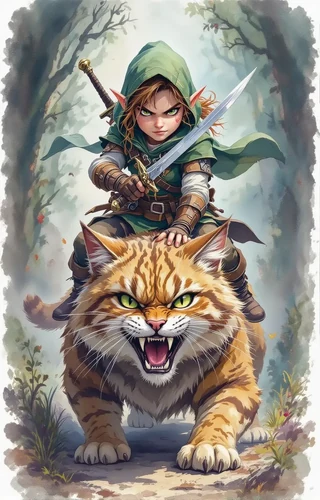
The Ironcap Lieutenant is a mobile melee combatant with pack-tactics aura abilities that support minions and command the battlefield flow. This mid-boss is designed to be a recurring antagonist, potentially escaping at the end of the fight to return later with new tactics based on player choices.
Combat Role: Skirmisher with abilities that allow for hit-and-run tactics. Recurring Arc Hook: The lieutenant might escape with valuable information, creating a desire for players to confront them again.
14. Sample Encounters & Encounter Outlines (3 Variations)
Variation A: Wilderness ambush for a low-level party
In this encounter, set up an ambush at a ford where the Bridgewarden and their minions lie in wait. The players will be confronted by six shadow minions, and the Bridgewarden can trigger exploding kegs as hazards to create a tense environment. This setup tests the players’ tactical skills and decision-making under pressure.
Setup: Players approach the ford; the Bridgewarden’s minions hide nearby. Flow: The ambush begins with shadow minions attacking, followed by the Bridgewarden’s tactics. Dynamic Outcomes: Players can either kill the Bridgewarden, capture them for information, or negotiate safe passage.
Variation B: Urban chase & showdown for mid-level party
For a mid-level party, create a thrilling chase through alleys leading to a sewer showdown with the Arcbound Scribe. The chase can include environmental hazards and opportunities for players to utilize skills like stealth or acrobatics. Upon reaching the sewer, the Scribe uses shadow-step tactics to evade and control the battlefield.
Key Beats: Start with a pursuit, introduce environmental hazards, and culminate in the boss lair reveal. Post-Fight Fallout: Depending on how the players handle the encounter, they can face social consequences, such as altering their reputation within the city.
Variation C: Dungeon escalation for high-mid party
For higher-level parties, design a multi-phase encounter featuring the Ironcap Lieutenant in a dungeon setting. The Lieutenant can utilize verticality, environmental lightning rods, and wind hazards to challenge players. This encounter can escalate into social or investigative segments if players disable the rods instead of engaging in direct combat.
Escalation Triggers: Start with the Lieutenant using minions; once players disable rods, transition to a social negotiation. Optional Objectives: Provide secondary objectives like rescuing a captured ally or discovering a hidden treasure.
15. Tools, Assets & Platforms (practical resource list)
Where to find battlemaps, tokens, spell-cards, and more
When preparing for your mid-boss encounters, utilizing the right tools and assets can significantly enhance your gameplay experience. Here’s a list of resources that provide battlemaps, tokens, and other essentials to streamline your preparation.
1. GM Craft Tavern Game-Master Toolbox: A comprehensive collection of maps and assets tailored for quick setup. [Visit here](https://www.etsy.com/listing/1565456932/game-master-toolbox-350000-dungeons-and).
2. 165k Battlemaps: A vast library of ready-to-use battlemaps for D&D. [Explore this resource](https://www.etsy.com/listing/1888982378/165000-dungeons-and-dragons-compatible-battlemaps).
3. D&D Beyond: A platform for homebrew stat blocks and character management. [Check it out](https://www.dndbeyond.com/homebrew).
4. Kobold Fight Club: Useful for balancing encounters and checking XP thresholds. [Learn more](https://koboldplus.club).
How to adapt purchased assets quickly
1. Layer PNGs in VTT: Import your maps and scale them to fit your grid.
2. Add Tokens and Hazard Markers: Place your mid-boss and minion tokens and set hazard markers for environmental effects.
3. Set Fog-of-War and Lighting: Ensure players can only see what their characters would realistically perceive.
4. Create Quick Labels: Rename items for non-fantasy settings (e.g., “altar” becomes “server rack”) for better thematic consistency.
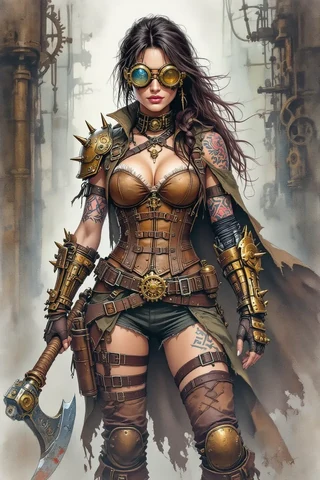
Ensure that you test your maps and assets before the session to avoid any technical hiccups during gameplay. A smooth VTT setup enhances immersion and keeps players engaged.
16. Resources & Complementary Tools (required format)
Here’s a compact list of trusted resources that can help you in your mid-boss design and encounter planning:
- Kobold Fight Club — Encounter builder and XP thresholds; useful for quick balance checks.
- D&D Beyond Homebrew Creator — Build/share stat blocks and homebrew.
- GM Craft Tavern — Large battlemap & asset bundles for quick map/token sourcing.
- GM Craft: Game Master Toolbox — Extensive tokens/assets for visuals.
- SacredArtsDesigns Shop — Tokens, art assets, and themed bundles for fast visual polish.
17. Quick Procedures & Templates (3–6 step recipes)
Procedure: Create a mid-boss in 5 steps
1. Select Base Stat Block & Theme: Choose an existing monster stat block and decide on a thematic flavor for your mid-boss.
2. Boost Core Stats/HP/AC: Adjust the hit points, armor class, and key stats to align with your party’s level.
3. Add 1–2 Signature Abilities & Phase: Design unique abilities that reflect the boss’s character and create varied phases during combat.
4. Script Tactics/Phases and Minions: Outline how the mid-boss will act in combat, including any minions that will support them.
5. Attach Loot/Hook and Quick Playtest: Determine what rewards players will receive and run a quick test to ensure balance.
Procedure: Prepare a mid-boss for online play (3–5 steps)
1. Import Map/Tokens: Load your chosen map and tokens into your VTT platform.
2. Set Auras/Macros/Phase Images: Establish auras for any area effects and set up macros for the mid-boss’s abilities.
3. Script Spawn Points & Sound Cues: Define where minions will spawn and add sound effects for dramatic moments.
4. Quick Test Run: Conduct a test to ensure everything functions smoothly before the actual session.
Procedure: Post-session iteration (3–5 steps)
1. Gather Feedback: Ask players for their thoughts on the encounter’s difficulty and enjoyment.
2. Analyze Logs: Review session logs for rounds taken and damage dealt to understand how the encounter played out.
3. Solo Sim & Tweak: Run a solo simulation of the encounter to identify any balance issues or points of confusion.
4. Apply Changes to Next Run or Record for Future Reuse: Update your mid-boss design based on feedback and observations for future sessions.
Fox’s take
In summary, designing a memorable DnD mid-boss requires careful consideration of mechanics, narrative, and player engagement. By following the steps outlined in this guide, you can create encounters that challenge your players while weaving in rich storytelling elements. Remember to gather feedback after each session, tweak your designs, and keep experimenting with new ideas. Now, it’s time to dive into your next campaign and make those mid-boss encounters truly epic!
FAQ
How do I scale a mid-boss for a party that’s higher or lower level than intended?
Adjust the challenge rating to be 2-3 levels below the party’s average and modify HP and damage accordingly.
What makes a mid-boss feel important without overshadowing the main villain?
Give them a compelling backstory and motivations tied to the narrative, revealing information about the main villain.
How many minions should I pair with a mid-boss and what roles should they fill?
Pair 2-4 minions that complement the mid-boss’s abilities, such as bodyguards or support casters.
What quick environmental tricks reliably make mid-boss fights more tactical?
Use choke points, difficult terrain, and dynamic elements like collapsing structures to enhance tactical gameplay.
Should a mid-boss be unique or a tagged elite of existing monster types?
A unique mid-boss can enhance narrative impact, while an elite version can provide familiarity and ease of use.
What are signature abilities that make a mid-boss memorable?
Design abilities that create unique tactical demands, challenging players to think strategically during combat.