What you’ll learn in this article
- 🎲1Understand core principles for creating memorable NPCs, including purpose and sensory anchors.
- ✅2Discover how to define wants and stakes to enhance NPC engagement.
- 🔎3Learn to distinguish between distinctive traits and stereotypes to create layered characters.
- 🧙4♂️ Explore quick NPC generation workflows for on-the-fly character creation.
- 🎭5Utilize NPC templates and one-page sheets to streamline character management.
- 🛠6️ Incorporate visual and mechanical design elements to make NPCs stand out.
- 📦7Use tools and automation for efficient NPC creation and management.
- 📜9Review common mistakes in NPC creation and how to avoid them.
- 🌍10Consider ethical and cultural implications in character design.
- 🎤11Access examples and micro-scripts to inspire your NPC development.
- 🎲12Ethical, cultural, and legal considerations
- 🎲13Examples and micro-scripts
- 🎲14Quick-reference materials and printable templates
- 🎲1515 flaw/goal combos
- 🎲15Resources & complementary tools
—
Creating unforgettable NPCs (non-player characters) is essential for enhancing your tabletop game experience. As a GM (Game Master), you want your players to connect with characters that are not only memorable but also integral to the story. Whether you’re crafting a quirky merchant or a brooding mentor, the right approach can make all the difference. Let’s dive into practical steps that will help you create NPCs that stick in your players’ minds and enrich your narrative.
1. Core principles — what makes an NPC unforgettable
Creating unforgettable NPCs hinges on a few core principles that set them apart from generic characters. First and foremost, every NPC should serve a purpose in your narrative. This could be as a quest-giver, a mentor, or a foil to the player characters (PCs). For instance, consider Elizabeth from Bioshock Infinite, who evolves from a simple companion to a character with a deep backstory, driving the plot forward. Layering contradictions—such as a seemingly ruthless noble who secretly seeks redemption—adds depth and relatability, making players more invested in their stories.
Another critical principle is the use of sensory anchors. These are distinctive traits that help players remember the NPC. This could be a unique voice, a striking visual characteristic, or a memorable mannerism. For example, Deckard Cain from Diablo is easily recognized not just for his role as a storyteller but also for his gravelly voice and his signature line about the “horadric cube.” By leveraging the von Restorff effect (the tendency to remember unusual items better than common ones), you can create NPCs that linger in players’ minds long after the game session ends.
Tip: Always define the NPC’s purpose in one sentence before fleshing out their traits. This keeps your character focused and relevant.
Definable wants and stakes
To create an NPC that resonates with players, it’s essential to give them clear goals and stakes. This means defining what the NPC wants and what they stand to lose if they fail. For instance, a vengeful noble might seek to reclaim their family honor, risking their life and reputation in the process. By linking their stakes to the players’ backstories or favoring connections, you create immediate investment. If a player’s character owes a debt to this noble, the stakes become personal, enhancing engagement.
You can scale these stakes from personal to broader implications. For example, an herbalist might seek to rebuild their home after a disaster, while a merchant could be trying to escape overwhelming debt. Each of these scenarios provides a range of motivations that can lead to interesting interactions and quests. By clearly defining wants and stakes, you ensure that your NPCs are not just background figures but integral parts of the narrative that drive the story forward.
Example: An NPC’s goal might be to find a lost artifact, with the consequence of failing being the destruction of their village. This creates urgency and a direct link to the players’ actions.
Distinctive traits vs. stereotypes
When developing NPCs, it’s vital to choose distinctive traits that give them personality while avoiding flat stereotypes. Aim for 2-3 vivid traits that encapsulate the character without falling into cliché descriptions. For instance, instead of labeling an NPC as just a “mysterious Asian mystic,” you could describe them as a “keeper of a rare ritual involving a specific artifact linked to local lore.” This specificity enriches the character and avoids harmful stereotypes.
Contradictions are also key. If an NPC is a grizzled warrior, they could also be a gentle caregiver to children, creating a more nuanced character. This layered approach makes them feel real and relatable. After all, real people have complexities that can’t be summed up in a single trait. To test if your NPC avoids stereotypes, try to describe them in one sentence without relying on a stereotype. If you can, you’re on the right track to creating a memorable character.
Warning: Avoid using harmful stereotypes, such as tokenism or one-dimensional portrayals. Instead, focus on creating rich, diverse characters that reflect the complexities of real life.
Hook, role, and cost
Every memorable NPC should have a hook that captures players’ interest, a defined role within the story, and a cost associated with their interactions. The hook is what makes players care about the NPC, such as a merchant who offers rare wares that could change the course of the game. Meanwhile, the role defines their function in the narrative—whether they are allies, adversaries, or neutral parties. Finally, the cost represents what the NPC demands from the players in return for their assistance or information.
For instance, a rival NPC might offer a challenge with a hook of competition, but the cost could involve a choice that impacts the players’ resources or relationships. This trade-off makes interactions more dynamic and forces players to weigh their options carefully. When designing NPCs, think in terms of trade-offs: what do the players gain, and what do they have to sacrifice in return? This not only adds depth to the NPC but also enriches the gameplay experience.
Tip: Write down the NPC’s hook, role, and one cost in a single line to clarify their function in the story. This exercise can help streamline your NPC creation process.
2. Quick NPC generation workflows
Creating NPCs on the fly can be a daunting task, but it doesn’t have to be. Using a streamlined process allows you to generate memorable characters quickly. One effective method is the 3-line NPC approach, where you summarize the character in three concise lines: their name, a defining trait, and their goal. For example, “Gorath the Stalwart: a hulking warrior with a soft spot for children, seeking to reclaim his lost honor.” This method helps you capture the essence of the NPC without getting bogged down in details.
Another efficient way is to use a 6-step checklist for rapid NPC creation. Here’s a quick breakdown:
- Define the NPC’s purpose/hook.
- Choose three sensory traits (e.g., voice, appearance, mannerism).
- Identify a strength, flaw, and secret.
- Connect the NPC to the world (e.g., their role in a quest).
- Plan two interaction beats (e.g., friendly greeting, tense negotiation).
- Conduct a 10-second description test to ensure clarity.
This structured approach allows you to create usable NPCs in under five minutes, making it perfect for one-shots or when you need to flesh out a character quickly during a session.
Example: You might create a quick NPC named “Elara the Quick,” who is a swift-talking thief with a penchant for trouble, seeking redemption for past crimes.
3–6 step: Fast one-shot NPC (pre-session)
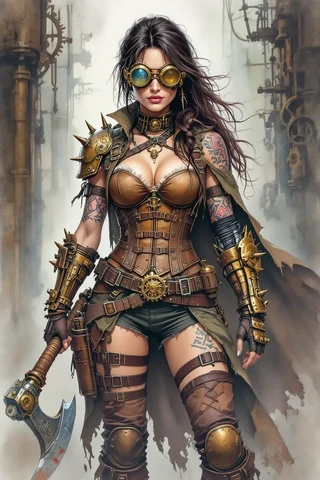
When you’re preparing for a session and need to whip up a quick NPC, follow this compact 6-step process:
- Define Purpose/Hook: What does the NPC want? This could be a simple desire, like selling rare goods or seeking help with a problem.
- Choose 3 Sensory Traits: Pick traits that make the NPC memorable. For instance, a flamboyant dress style, a unique accent, or a nervous twitch.
- Identify Strength, Flaw, and Secret: This adds depth. For example, a charming bard might have a weakness for gambling and a secret past as a thief.
- Connect to the World: How does this NPC relate to the players? Maybe they know a vital piece of information regarding a quest.
- Plan 2 Interaction Beats: Outline how the NPC behaves in different scenarios—friendly at first but defensive if pressed.
- Conduct a 10-Second Test: Quickly describe the NPC in a sentence to ensure they’re clear and engaging.
By following these steps, you can create an effective NPC in just a few minutes, allowing you to focus more on the story and less on character creation.
Tip: Keep a notepad or digital note handy during sessions to jot down quick NPCs as they come to mind. This can help you build a library of characters over time.
3–6 step: Expand a minor NPC into a recurring character
Sometimes, a minor NPC can evolve into a significant player in your campaign. To expand a minor NPC into a recurring character, follow these steps:
- Review Your Notes: Revisit what you’ve already established about the NPC. What ties do they have to the players or the world?
- Add a PC Tie: Create a connection between the NPC and one or more player characters. Perhaps they owe a favor or share a past.
- Evolve a Trait into an Arc: Take one of the NPC’s existing traits and develop it into a character arc. If they are timid, consider how they could grow into a brave ally.
- Build a Network: Connect this NPC to other characters in your world. This could include family, friends, or rivals that can create new plot threads.
- Plan 3 Escalating Encounters: Outline how the NPC will appear in the future, each time increasing the stakes or complexity of their relationship with the players.
- Log Changes: Keep a record of how the NPC evolves throughout the campaign, noting any significant changes in their personality or role.
By following these steps, you can turn a throwaway NPC into a compelling character that players will remember and engage with throughout the campaign.
Example: A minor character like a tavern keeper can become a key figure in the story, evolving from a simple source of information to a mentor who helps players navigate a critical conflict.
3–6 step: Adapt NPC for CRPG vs tabletop
Adapting NPCs for different formats, such as tabletop RPGs and CRPGs (computer role-playing games), requires understanding how to translate their essence across platforms. Here’s how to do it:
- Define Purpose: Start by clearly stating the NPC’s purpose in both formats. For instance, in tabletop, they might provide quests, while in a CRPG, they might offer dialogue choices.
- Select Tabletop Mechanics: Determine how the NPC will interact with players through social DCs (Difficulty Class) and improv lines. In a tabletop setting, you can use a more fluid dialogue style.
- Map to CRPG Systems: Identify how their role translates into CRPG mechanics, like dialogue branches or approval meters that affect player relationships.
- Create Dialogue Options: For CRPGs, design specific dialogue options that players can choose from, ensuring they align with the NPC’s character and purpose.
- Incorporate Visuals: Consider how the NPC will be visually represented in both formats. This includes their appearance in-game and any props or visual shorthand used in tabletop.
- Test for Consistency: Ensure that the NPC’s personality and role remain consistent across both formats, making adjustments as necessary to fit the medium.
By following these steps, you can seamlessly adapt NPCs for both tabletop and digital experiences without losing their core essence.
Tip: Keep a reference sheet for each NPC that includes their traits, role, and mechanics for both formats to streamline your adaptation process.
3. NPC anatomy: template and one-page NPC sheet
Creating a standardized NPC template is essential for maintaining consistency and depth in your game. A well-structured one-page NPC sheet can serve as both a quick reference and a detailed guide for your characters. Here’s what to include:
Required fields
- Name: The character’s name (e.g., “Gorath the Brave”).
- Role: Their function in the story (e.g., “Quest giver”).
- Hook: What makes them interesting (e.g., “Knows the secret to defeating the dark lord”).
- Trait: A defining characteristic (e.g., “Always wears a tattered cloak”).
- Voice Tag: A note on how they speak (e.g., “Gravelly voice, slow tempo”).
- Motivation: What drives them (e.g., “Seeks revenge for their family’s death”).
- Flaw: A weakness or flaw (e.g., “Too trusting of strangers”).
- Secret: Something hidden about them (e.g., “Once betrayed their closest friend”).
- Goal: Their ultimate aim (e.g., “To unite the kingdom against tyranny”).
- Mechanical Notes: Any game mechanics relevant to them (e.g., “Provides +2 to persuasion rolls”).
By filling out these fields, you create a comprehensive overview that allows you to quickly reference essential details during gameplay.
Optional fields
In addition to the required fields, you can enhance the NPC sheet with optional fields that improve usability:
- Relationships: Connections to other characters (e.g., “Sibling of the town guard captain”).
- Quest Uses: Specific quests they are involved in (e.g., “Provides the player with a quest to retrieve a stolen artifact”).
- Loot: Items they might give or possess (e.g., “Carries a rare gemstone”).
- Voice-Lines: Short snippets of dialogue they might say (e.g., “Beware the shadows; they hide more than you think”).
These optional fields allow for greater depth and usability, especially for recurring NPCs.
Tip: Keep a digital or printed copy of your NPC sheets organized by category (e.g., allies, enemies, quest-givers) for quick access during sessions.
Required fields (name, role, hook, trait, voice tag, motivation, flaw, secret, goal, mechanical notes)
To ensure your NPCs are memorable and functional, each required field on your NPC sheet serves a specific purpose:
- Name: This identifies the character, making it easier for players to remember them.
Example: “Gorath the Brave” - Role: Indicates their function in the story, whether they are allies, antagonists, or neutral parties.
Example: “Quest giver” - Hook: What grabs the players’ attention and makes the NPC interesting. This could be a unique trait or a compelling backstory.
Example: “Knows the secret to defeating the dark lord” - Trait: A distinctive characteristic that sets them apart. This could be a physical feature or a behavioral quirk.
Example: “Always wears a tattered cloak” - Voice Tag: A description of how the NPC speaks, which can help in roleplaying and making them more memorable.
Example: “Gravelly voice, slow tempo” - Motivation: What drives the NPC’s actions and decisions. Understanding their motivation helps portray them authentically.
Example: “Seeks revenge for their family’s death” - Flaw: A weakness or imperfection that adds depth to their personality and makes them relatable.
Example: “Too trusting of strangers” - Secret: A hidden aspect of the NPC that can be revealed during the story, creating intrigue and plot twists.
Example: “Once betrayed their closest friend” - Goal: The NPC’s ultimate aim or desire, which can lead to conflict or collaboration with the players.
Example: “To unite the kingdom against tyranny” - Mechanical Notes: Any relevant game mechanics, such as abilities or bonuses related to their role.
Example: “Provides +2 to persuasion rolls”
These fields create a holistic view of the NPC, ensuring they are not just a name but a fully realized character with motivations and connections to the players.
Example: An NPC named “Elara the Quick” could have the following entries:
- Role: Informant
- Hook: Knows about a hidden treasure
- Trait: Speaks in rapid-fire sentences
- Voice Tag: High-pitched, excited tone
- Motivation: Wants to escape a dangerous gang
- Flaw: Impulsive and reckless
- Secret: Is secretly in love with one of the PCs
- Goal: To find a safe haven away from the gang
- Mechanical Notes: Grants a +1 to stealth checks when aiding the PCs.
Optional fields (relationships, quest uses, loot, voice-lines)
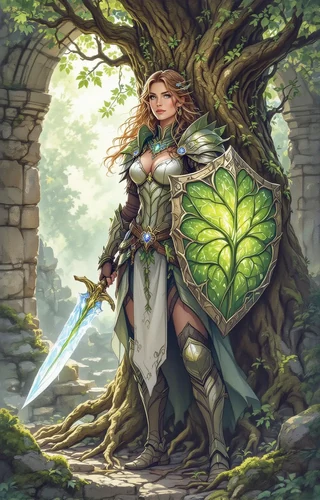
While the required fields cover essential aspects of your NPCs, optional fields can enhance their usability and depth. These fields allow you to flesh out the NPC further and provide additional hooks for players:
- Relationships: This field tracks connections between NPCs and other characters, including players. It can reveal alliances, conflicts, or familial ties.
Example: “Sister of the town guard captain” - Quest Uses: Specify any quests the NPC is involved in, which helps integrate them into the story and makes them relevant to the players.
Example: “Provides a quest to retrieve a stolen artifact” - Loot: Items or treasures the NPC might possess or provide to the players. This adds tangible rewards for interacting with them.
Example: “Carries a rare gemstone” - Voice-Lines: Memorable snippets of dialogue that the NPC might say during interactions. This can help GMs roleplay the character more effectively.
Example: “Beware the shadows; they hide more than you think”
Incorporating these optional fields can transform a simple NPC into a more engaging character, enhancing the overall gaming experience for players.
Tip: Use a color-coding system or symbols to indicate which NPCs are recurring versus one-off characters, making it easier to track their importance in the campaign.
4. Persona matrix and trait combinators
Creating a diverse range of NPCs can be simplified using a persona matrix. This tool helps you define characters based on six key fields: Look, Voice, Drive, Flaw, Quirk, and Hook. By filling out this matrix, you can quickly generate unique personalities that can be used immediately in your game.
6-field persona matrix explained
Here’s a breakdown of the six fields in the persona matrix:
- Look: This describes the NPC’s physical appearance and can include details like clothing, hair color, or distinguishing marks.
Example: “Tall, with a long scar across their left eye.” - Voice: This field captures the way the NPC speaks, including tone and accent, which can help in roleplaying.
Example: “Deep, booming voice with a slight southern drawl.” - Drive: The motivation behind their actions—what they want most in life.
Example: “Desires to reclaim their lost kingdom.” - Flaw: A characteristic that makes them less than perfect, providing depth and complexity.
Example: “Overly prideful, which leads to poor decisions.” - Quirk: A unique trait or mannerism that makes the character memorable.
Example: “Constantly fiddles with a small dagger when nervous.” - Hook: This is what makes the NPC intriguing to players, often tied to their goals or secrets.
Example: “Hides a dark past that could threaten their quest.”
Using this matrix, you can fill in the fields for different archetypes, such as a mentor, merchant, or rival, providing a quick reference for creating NPCs on the fly.
Tip: Keep a blank persona matrix handy to fill in whenever inspiration strikes, allowing you to quickly flesh out new characters.
15 flaw/goal combos for instant conflict
To create instant conflict and tension in your NPCs, consider combining flaws and goals. Here’s a list of 15 combinations you can use:
- Greedy / Fortune: Wants wealth but can’t be trusted.
Usage: The NPC might betray players for a larger reward. - Cowardly / Protect Family: Afraid of confrontation, but will fight to protect loved ones.
Usage: This NPC could flee in danger but return to aid the players if family is threatened. - Vengeful / Kill Betrayer: Seeks revenge on someone who wronged them.
Usage: They might enlist the players’ help to achieve retribution. - Ambitious / Rise to Power: Desires power at any cost, including betrayal.
Usage: This NPC could manipulate players to gain an advantage. - Loyal / Serve a Cause: Fiercely loyal but blinded by their cause.
Usage: Their loyalty could lead to conflict if the players oppose their cause. - Desperate / Escape Poverty: Will do anything to improve their financial situation.
Usage: This NPC might resort to illegal activities, putting players in a moral dilemma. - Insecure / Prove Worth: Doubts their abilities but seeks validation.
Usage: They may take reckless risks to prove themselves to the players. - Paranoid / Stay Hidden: Distrustful of others, always on edge.
Usage: This NPC may provide valuable information but only if players prove their trustworthiness. - Fearful / Avoid Conflict: Wants to avoid conflict but may be forced into it.
Usage: They could be a source of information if players help them overcome their fears. - Rebellious / Challenge Authority: Opposes rules and seeks freedom.
Usage: This NPC might lead the players into trouble with the law. - Vulnerable / Seek Acceptance: Longs for acceptance but struggles to trust.
Usage: Their need for acceptance could lead to betrayal if they feel rejected. - Obsessive / Find Lost Love: Fixated on finding a lost partner.
Usage: This NPC might become erratic if players interfere in their quest. - Secretive / Hide Past: Has a dark secret they wish to keep hidden.
Usage: Players may uncover this secret, leading to conflict or alliance. - Cynical / Expose Lies: Distrustful of others, seeks to reveal the truth.
Usage: This NPC may challenge players’ motives, creating tension. - Generous / Help Others: Wants to help but may be taken advantage of.
Usage: This NPC could provide aid but demand something in return.
These combinations help create NPCs with immediate conflict, making them more engaging and memorable in your campaign.
Example: A cowardly NPC who wants to protect their family might initially shy away from conflict but will fight fiercely if their loved ones are threatened, creating a dynamic interaction for players.
5. Voice, dialogue, and improvisation techniques
The way your NPCs communicate can significantly enhance their memorability and the overall gaming experience. Using effective voice tags and improvisation techniques can help bring characters to life, making interactions feel more dynamic and engaging.
10 voice tags and how to apply them
Here’s a list of 10 voice tags that can help you differentiate your NPCs and make them more memorable:
- Gravelly Whisper: Lower pitch, drop endings.
Example: “You shouldn’t be here… it’s dangerous.” - Booming Laugh: Loud, hearty, and infectious.
Example: “Ha! You think you can outsmart me?” - Stuttering Haste: Quick, nervous speech with hesitations.
Example: “I-I-I swear I saw something over there!” - Drawling Sarcasm: Slow, exaggerated speech emphasizing sarcasm.
Example: “Oh sure, because that’s a brilliant idea.” - Lilting Song: Musical, rhythmic speech.
Example: “Come, come, let me tell you a tale of old.” - Clipped Commands: Short, authoritative, and precise.
Example: “Now! Move quickly!” - Wheezy Cough: Breathy, labored speech.
Example: “I-I can help you… if you pay me.” - Rapid-Fire Slang: Quick, informal speech filled with colloquialisms.
Example: “Yo! You gotta check this out, man!” - Measured Pauses: Slow, deliberate speech with thoughtful pauses.
Example: “I… must… consider… your offer.” - Shrill Cackle: High-pitched, manic laughter.
Example: “Oh, how delightful! Let’s play!”
These voice tags can be applied in your roleplaying to provide distinct personality traits for each NPC, making them more engaging and memorable for players.
Tip: Practice using these voice tags when you’re alone to become comfortable with them. This will help you switch voices naturally during gameplay.
Three improv dialogue systems (3–6 steps each)
Improvisation can be a powerful tool for GMs to keep dialogue fresh and engaging. Here are three systems to help you improvise effectively:
1. Echo-Respond
- Listen to what the player says.
- Echo back the last few words or key phrases.
- Respond with an NPC perspective or emotion linked to that phrase.
- Encourage further dialogue by asking a follow-up question.
Example:
Player: “We need to find the treasure.”
NPC: “Treasure, you say? A dangerous pursuit, but I know where it lies. Are you willing to risk everything?”
2. Flaw-Flip
- Identify the NPC’s flaw.
- Present a scenario that challenges this flaw.
- Allow the NPC to react in a way that either reinforces or contradicts their flaw.
- Encourage players to respond to the NPC’s reaction.
Example:
NPC with a flaw of being overly trusting meets a shady character.
NPC: “You seem honest enough. I’ll share my secrets with you… right?”
3. Prop-React
- Use a physical prop or visual cue (like an item the NPC carries).
- Introduce the prop in dialogue.
- React to players’ interactions with the prop.
- Let the prop influence the conversation or the NPC’s mood.
Example:
NPC pulls out a rusty dagger.
NPC: “This belonged to my father. It’s cursed, or so they say. What would you do with it?”
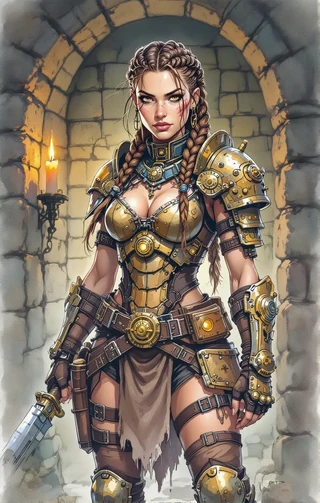
These improvisation systems allow for fluid and engaging dialogue, encouraging players to interact with NPCs in meaningful ways.
Tip: Keep props handy during sessions to inspire creativity and enrich interactions with NPCs. Simple items can spark interesting conversations and deepen character engagement.
6. Visual & mechanical design for memorable NPCs
Visual and mechanical design elements play a crucial role in how players perceive and remember NPCs. By leveraging visual shorthand and integrating mechanical hooks, you can create characters that stand out and enhance the gaming experience.
Visual shorthand and props
Visual shorthand refers to using distinct visual elements to convey information about an NPC quickly. This can include their silhouette, color palette, and props. For example, an NPC wearing a bright red cloak could signify danger or importance, while a scruffy appearance might indicate a rogue or a streetwise character.
Props also serve as powerful storytelling tools. A stitched satchel could indicate an apothecary, while a singed sleeve might suggest a pyromancer’s past. By choosing one standout prop and one color to anchor memory, you help players easily identify and remember the character.
Tip: When designing NPC visuals, think about how their appearance can convey their backstory or role in the game. This creates a richer narrative experience for players.
Mechanical hooks for table/CRPG integration
Integrating mechanics into your NPC design helps ensure that they are not just narrative devices but also playable elements within the game. This can include social DCs (Difficulty Classes), approval systems, and quest branches that tie back to the NPC’s personality.
For instance, an NPC designed to be a charismatic leader might have a high social DC for persuasion checks, while a more enigmatic figure could have a hidden approval meter that tracks players’ trust levels. By mapping these mechanics to the NPC’s traits and roles, you create a more cohesive experience that enhances player engagement.
Example: An NPC with a goal to unite a fractured kingdom could have quest branches that depend on player choices, affecting their standing in the community based on the players’ actions.
Tip: Create a simple mapping table that links NPC traits to specific mechanics. This will streamline NPC creation and ensure consistency across your campaign.
7. Tools, platforms & automation
To streamline the NPC creation process, various tools and platforms can assist you in managing characters. Whether you’re a solo GM or part of a larger development team, utilizing these resources can save you time and enhance your game.
Manual tools (spreadsheets, TTRPG software)
Manual tools like spreadsheets and TTRPG software can help you organize and track your NPCs efficiently. For example, using a Google Sheet allows you to create a database with fields for each NPC’s name, role, last seen, mood, and tags.
Here’s a recommended schema for your spreadsheet:
| Name | Role | Last Seen | Mood | Tags |
|---|---|---|---|---|
| Gorath the Stalwart | Quest Giver | Session 4 | Friendly | #ally #quest |
| Elara the Quick | Informant | Session 5 | Nervous | #information #rival |
Using software like Obsidian or Notion can further enhance your tracking capabilities, allowing you to link NPCs to specific scenes or quests.
Example: You can create a Notion database to track NPC relationships, quests, and interactions, making it easy to reference during sessions.
Tip: Regularly update your NPC databases after each session to keep track of their evolving narratives and player interactions.
AI-assisted tooling and safe workflows
AI can be a valuable asset in generating NPC profiles quickly. By using AI-assisted tools, you can create character backstories, traits, and motivations in minutes. However, it’s essential to maintain a safe workflow to ensure the content aligns with your campaign’s tone and avoids any potential ethical issues.
Here’s a simple 4-step safe workflow:
- Prompt: Clearly define your NPC’s archetype and traits in the AI prompt.
- Generate: Use the AI to create a character profile.
- Sanitize/Edit: Review the output for relevance and tone, making necessary adjustments.
- Provenance Log: Keep a record of the AI-generated content, including the source and any edits made.
By following these steps, you can leverage AI to enhance your NPC creation while ensuring that the content remains authentic to your campaign.
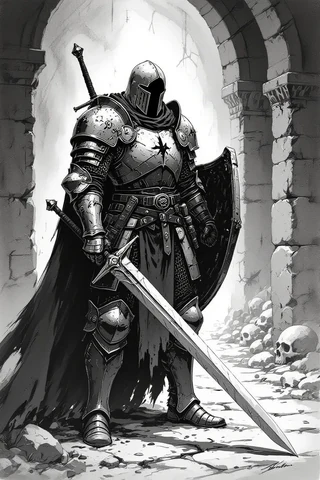
Warning: Always review AI-generated content for originality and appropriateness. Avoid using personal information in prompts to ensure privacy and ethical standards.
Automation scripts, templates, and pipelines
Automation can significantly streamline your NPC creation process, allowing for quick generation and management of characters. By setting up templates and scripts, you can reduce repetitive tasks and enhance your workflow.
Stat-block auto-generation examples
Using tools like Homebrewery or Google Sheets, you can automate the creation of NPC stat blocks based on the descriptive fields you’ve established. For example, you might create a mapping rule that links personality traits to mechanical stats, such as:
| Trait | Suggested Stat |
|---|---|
| Charismatic | +2 to persuasion |
| Cunning | +1 to deception |
| Brave | +3 to combat rolls |
By filling out the relevant fields in your NPC template, you can generate a complete stat block that incorporates both narrative and mechanical elements.
Tip: Keep your mapping rules consistent across NPCs to ensure that your characters remain balanced and playable within the game.
Voice-line export and card creation automation
Automating the export of voice lines and card creation can enhance the realism of your NPCs. Using tools like ElevenLabs or Descript, you can generate voice lines based on your NPCs’ dialogue snippets and export them as MP3 files for easy access during gameplay.
When creating voice lines, establish a naming convention that includes the NPC name, tag, line ID, and file format. For example:
- File Name: Gorath_QuestGiver_Line1.mp3
This systematic approach allows you to quickly find and utilize voice lines during sessions, enhancing immersion.
Example: An NPC named “Elara the Quick” could have voice lines like “I have information, but it will cost you” saved in an organized folder for easy retrieval during gameplay.
Tip: Regularly back up your audio files and card creations to prevent loss and ensure you have access to all your NPC materials.
9. Management, indexing & continuity over long campaigns
Managing NPCs over an extended campaign can be challenging, but with the right strategies, you can maintain continuity and keep players engaged. Effective indexing and tracking can ensure that NPCs remain relevant and memorable throughout your game.
Tagging, search, and versioning strategies
Using a tagging system can help you categorize and track NPCs effectively. For example, you can use tags to indicate each NPC’s role, relationships, and quest links:
- Tag Example: #NPC-Name:role (e.g., #Gorath:quest-giver)
By storing update logs and searchable notes in a tool like Obsidian, you can easily keep track of NPC changes and interactions. Additionally, implementing versioning strategies, such as maintaining a dated entry for major NPC changes, can help you track their evolution over time.
Tip: Consider using semantic tags (e.g., emotion, relationship stage) to add depth to your NPC entries, making it easier to find relevant characters during sessions.
Session prep and NPC rotation management
To keep your NPC list manageable, limit the number of active characters per arc. Aim for 2-3 NPCs that are central to the story while retiring or merging extras as needed. This helps avoid overwhelming players with too many characters and keeps interactions meaningful.
A simple rotation schedule can help you manage NPCs effectively:
| NPC Name | Introduced | Active | Retired |
|---|---|---|---|
| Gorath the Brave | Session 1 | Yes | No |
| Elara the Quick | Session 3 | Yes | No |
| Mysterious Stranger | Session 4 | No | Yes |
By regularly reviewing your NPCs and their roles, you can ensure that players remain engaged and that characters have meaningful interactions throughout the campaign.
Example: If players show interest in a particular NPC, consider increasing their presence in future sessions while phasing out less engaging characters.
Tip: Create a weekly review schedule to assess NPC relevance and update their statuses, ensuring they remain integral to the ongoing story.
10. Scalability: modular NPC components and archetypes
Creating NPCs in a scalable way allows you to quickly generate characters while maintaining depth and variety. By breaking NPCs into modular components, you can mix and match traits to create unique personalities that fit your campaign needs.
Reusable modules (motivation, conflict, reward)
To enhance scalability, define reusable modules for different aspects of NPCs, such as motivation, conflict, and reward. Here’s a breakdown of example modules:
Motivation Modules
- Revenge: Seeks to avenge a wrong done to them.
- Power: Desires to gain influence or control.
- Redemption: Aims to right past wrongs.
- Wealth: Seeks riches and material gain.
- Knowledge: Wants to uncover secrets or gain wisdom.
- Love: Pursues a romantic connection or familial bonds.
Conflict Modules
- Internal Struggle: Faces a personal dilemma that affects their decisions.
- Rivalry: Engaged in a competition with another character.
- Moral Quandary: Torn between right and wrong.
- Fear: Struggles with a phobia or anxiety.
- Loyalty: Conflicted between two allegiances.
- Betrayal: Has been wronged by someone they trusted.
Reward Modules
- Rare Item: Offers a unique item as a reward.
- Information: Provides crucial knowledge that aids the players.
- Alliances: Can help players forge new alliances or gain followers.
- Skills: Teaches players a new ability or technique.
- Resources: Grants access to supplies or funding.
- Connections: Introduces players to influential figures.
By mixing and matching these modules, you can create a diverse array of NPCs tailored to your campaign’s needs.
Tip: Maintain a library of these modules for quick reference during character creation. This allows you to rapidly generate NPCs that feel unique yet familiar.
How to create an NPC library for reuse
To build an NPC library for reuse, organize your characters by genre or role, and store them in a digital format that allows for easy searchability. Using tools like Google Drive, Notion, or Kanka, you can create folders for different NPC types, making it easy to find characters when needed.
Here’s a suggested metadata schema for each NPC entry:
- Name
- Role
- Backstory
- Motivations
- Conflicts
- Rewards
- Voice Lines
- Last Seen
This schema ensures that each NPC is well-documented and easily retrievable, allowing you to integrate them into future sessions without losing continuity.
Example: You could have a folder labeled “Allies” containing NPCs like “Gorath the Brave” and “Elara the Quick,” each with their own metadata entries for quick access.
Tip: Regularly update your NPC library with new characters and information to keep it fresh and relevant for future campaigns.
11. Common mistakes and how to fix them
Creating NPCs can be a complex task, and it’s easy to make mistakes that can detract from the gaming experience. By understanding common pitfalls and how to remedy them, you can enhance your character creation process.
Eight+ mistakes with remedies
- Generic Names: Using names that lack personality.
Remedy: Spend time brainstorming unique names that resonate with the character’s background. - Info-Dumps: Overloading players with backstory at once.
Remedy: Introduce backstory gradually through dialogue and interactions instead of lengthy exposition. - Inconsistency: Characters acting out of character.
Remedy: Keep a character sheet handy to reference traits and motivations during sessions. - Too Many NPCs: Overwhelming players with numerous characters.
Remedy: Limit active NPCs to a manageable number and focus on developing fewer characters deeply. - Player Overshadowing: NPCs stealing the spotlight from players.
Remedy: Ensure that NPCs support the story without dominating player interactions. - Static Characters: Failing to allow NPCs to evolve.
Remedy: Introduce character arcs that allow NPCs to change over time based on player actions. - Overpowered Allies: Creating NPCs who are too strong.
Remedy: Balance NPC abilities to ensure they complement rather than overshadow players. - Ignoring Senses: Not utilizing sensory details in descriptions.
Remedy: Incorporate visuals, sounds, and smells into NPC descriptions to create a richer experience.
By addressing these common mistakes, you can create more engaging and memorable NPCs that enhance the overall gaming experience.
Tip: After each session, take a moment to reflect on your NPCs and identify any mistakes or areas for improvement. This will help you refine your character creation process over time.
Troubleshooting awkward NPC moments
Even the best-laid plans can lead to awkward moments during gameplay. Here are some strategies to help you recover gracefully:
- Pause to Reframe: If an NPC feels off or the dialogue stumbles, take a moment to pause and gather your thoughts. This can help reset the mood.
- Use Props/Voice Tags: If the interaction feels flat, consider using a prop or altering the NPC’s voice to reinvigorate the scene.
- Lean on Player Ties: Involve players by asking how their characters would react to the NPC. This can shift the focus back to the players and create a more dynamic interaction.
Example: If an NPC’s dialogue falls flat, you might pause and say, “Let me take a moment to think about how this character would really respond,” allowing you to gather your thoughts and come back stronger.
Tip: Keep a list of recovery lines or prompts that can help you redirect conversations when they start to stall. This can serve as a quick reference during sessions.
12. Ethical, cultural, and legal considerations
When creating NPCs, it’s crucial to consider ethical and cultural implications to avoid perpetuating harmful stereotypes or misrepresentation. By being mindful of these factors, you can create respectful and engaging characters.
Avoiding harmful tropes and stereotypes
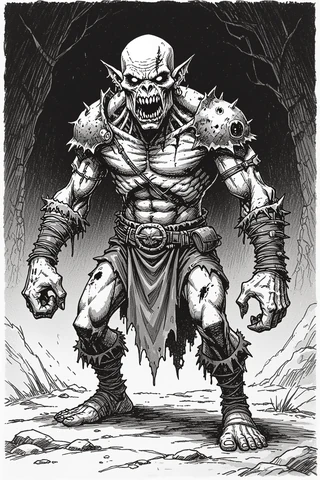
To ensure your NPCs are respectful and well-rounded, be cautious about relying on harmful tropes. Some common pitfalls include:
- Tokenization: Including characters solely to represent a specific group without depth.
Avoid: Create NPCs with diverse backgrounds that have their own individual stories and motivations. - Orientalism: Portraying cultures in a stereotypical way that lacks authenticity.
Avoid: Conduct thorough research to understand cultural nuances and represent characters accurately. - Magical-Othering: Depicting characters from marginalized groups as mystical or exotic.
Avoid: Focus on their humanity and individual experiences rather than reducing them to a single trait. - Tragic Disabled Trope: Using disability as a source of pity or inspiration.
Avoid: Create characters with disabilities that reflect a range of experiences and abilities. - Manic Pixie Dream Girl: Portraying female characters solely as inspirational figures for male protagonists.
Avoid: Give female NPCs their own goals and arcs that do not revolve around male characters.
By avoiding these tropes, you can create NPCs that feel authentic and engaging, contributing positively to the narrative.
Tip: Create a sensitivity checklist for your NPCs that includes cultural representation, depth, and respect for diversity. This can help guide your character creation process.
Attribution when using AI-generated content
When utilizing AI to generate NPC content, it’s important to maintain transparency and ethical standards. Always label AI-generated outputs and edit them to fit your campaign’s voice. Additionally, keeping a provenance log can help track the origins of the content.
Here’s a simple attribution template you can use:
Provenance: “AI-base: ChatGPT vX; Edited by GM J. 2025-01-04”
By following these guidelines, you maintain creative integrity and ensure that your NPCs are both original and respectful.
Tip: Before using AI-generated content, review the terms of service for any AI tools you use to ensure compliance with their guidelines and avoid legal issues.
13. Examples and micro-scripts
Concrete examples can serve as powerful references when creating NPCs. Below are three full example NPCs along with sample dialogue snippets for different archetypes.
Three full example NPCs with backstories
- Liora the Herbalist
Backstory: Liora is a skilled herbalist who lost her family to a plague. She now dedicates her life to helping others avoid the same fate by providing remedies and guidance.
Quirk: Always carries a pouch of herbs and often smells like lavender.
Hook: Knows a rare remedy that could save a dying character.
Mechanical Note: Provides +2 to healing checks for players who assist her. - Thorne Blackthorn
Backstory: A former knight turned mercenary, Thorne seeks redemption for abandoning his comrades in battle. He now helps those in need, hoping to regain his honor.
Quirk: Always wears a tattered cloak from his past battles.
Hook: Offers to train players in combat if they help him confront his past.
Mechanical Note: Grants +1 to attack rolls for players he trains. - Elara Voss
Backstory: A streetwise thief with a heart of gold, Elara grew up in the slums and now uses her skills to help the less fortunate. She has a soft spot for orphans.
Quirk: Has a habit of collecting shiny trinkets.
Hook: Knows about a hidden treasure that could change the players’ fortunes.
Mechanical Note: Provides a +2 bonus to stealth checks when players work with her.
Sample dialogue snippets for merchant, rival, mentor
- Merchant (Elara): “Ah, you look like someone who appreciates fine wares. Care to see what I have for you today?”
- Rival (Thorne): “You think you can best me? Don’t make me laugh. This time, I won’t hold back.”
- Mentor (Liora): “Remember, young ones, the herbs you choose can mean the difference between life and death. Choose wisely.”
These examples provide a solid foundation for creating memorable NPCs that can enrich your campaign.
Tip: Use these examples as templates to inspire your own NPCs, adapting them to fit your unique narrative and setting.
14. Quick-reference materials and printable templates
Having quick-reference materials can streamline your NPC creation process and help keep your games organized. Below are templates that you can use for NPCs and persona matrices.
One-page NPC sheet text template
Here’s a simple one-page NPC sheet template you can copy and use:
**NPC Name**:
**Role**:
**Hook**:
**Trait**:
**Voice Tag**:
**Motivation**:
**Flaw**:
**Secret**:
**Goal**:
**Mechanical Notes**:
**Relationships**:
**Quest Uses**:
**Loot**:
**Voice-Lines**:
Persona matrix and flaw/goal list
Here’s a printable version of the 6-field persona matrix along with the
15 flaw/goal combos
:
6-field persona matrix
| Field | Description |
|---|---|
| Look | Physical appearance and distinctive traits |
| Voice | Describes the tone or accent of their speech |
| Drive | What motivates the NPC (ambition, duty) |
| Flaw | A personal weakness that creates conflict |
| Quirk | A unique behavior or habit |
| Hook | What draws players to engage with this NPC |
15 flaw/goal combos
- Greedy / Fortune
- Cowardly / Protect Family
- Vengeful / Kill Betrayer
- Ambitious / Rise to Power
- Desperate / Escape Poverty
- Insecure / Prove Worth
- Paranoid / Stay Hidden
- Fearful / Avoid Conflict
- Rebellious / Challenge Authority
- Vulnerable / Seek Acceptance
- Obsessive / Find Lost Love
- Secretive / Hide Past
- Cynical / Expose Lies
- Generous / Help Others
These resources can be printed or saved digitally for easy access during your sessions.
Tip: Consider creating a binder or digital folder that contains all your templates and quick-reference materials to keep everything organized and easily accessible.
15. Resources & complementary tools
To enhance your NPC creation process, various resources and tools can be invaluable. Here’s a curated list of platforms and websites to assist you in developing memorable characters.
- Notion: A versatile tool for organizing notes and character sheets.
- Airtable: A database tool that can help you track NPCs and their relationships.
- Kanka: A world-building tool designed for RPGs, great for managing NPCs and lore.
- World Anvil: A platform for creating and managing worlds, including NPCs and storylines.
- Descript: A powerful audio and video editing tool that can help with voice line generation.
- Resemble.ai: A text-to-speech tool for generating realistic NPC voices.
- Play.ht: Another text-to-speech tool for creating voice lines for your NPCs.
- Zapier: Automate workflows between your apps, including NPC management systems.
- Homebrewery: A tool for creating and sharing D&D homebrew content, including NPC stat blocks.
- Obsidian: A powerful note-taking app ideal for organizing NPC notes.
- ElevenLabs: A voice generation platform that produces high-quality audio.
These resources can significantly enhance your NPC creation process, making it easier to develop engaging characters and maintain continuity in your campaigns.
Example: Use Notion to create a comprehensive database of all your NPCs, including their traits, backstories, and relationships for quick reference during sessions.
FAQ
How much detail should I give a minor NPC?
Focus on 2-3 key traits and a unique hook.
Can I use AI to generate NPC personalities without sounding generic?
Customize prompts with specific details to ensure uniqueness.
What is a fast way to make NPCs memorable?
Use the 3-line NPC approach for quick character creation.
How do I keep NPC continuity in long campaigns?
Maintain detailed notes on interactions and traits.
How can I adapt the same NPC for tabletop and CRPG?
Define their purpose clearly for both formats.
Sources
- elevenlabs.io
- gamedesignskills.com
- gamerant.com
- geek-philosophy.com
- geek-philosophy.com
- homebrewery.naturalcrit.com
- obsidian.md
- steamcommunity.com
- thedailydungeonmaster.game.blog
- thedailydungeonmaster.game.blog
- thedmlair.com
- whatculture.com
- campaignmastery.com
- campaignmastery.com
- denofgeek.com
- highlevelgames.ca
- highlevelgames.ca
- roleplayingtips.com
- roleplayingtips.com
- tribality.com
- youtube.com
- youtube.com