
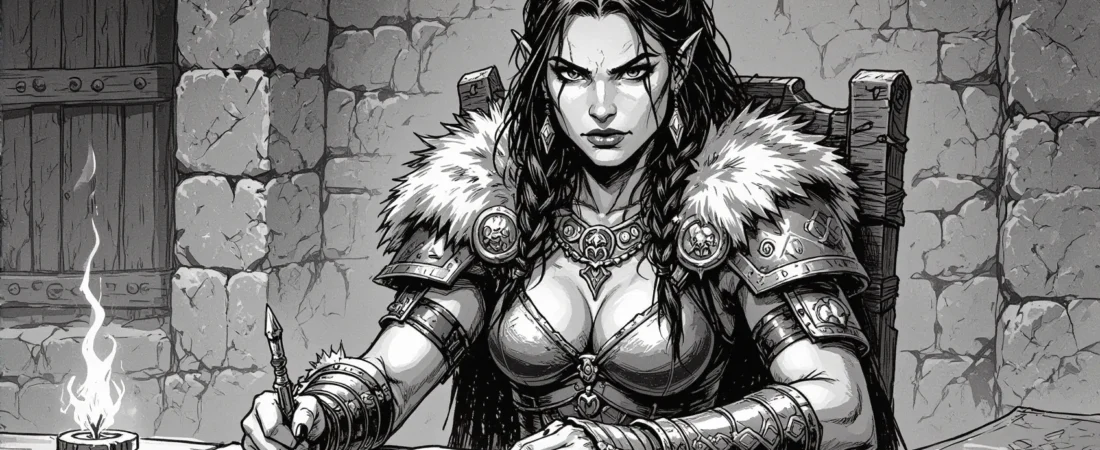
Creating a D&D character can feel daunting, but I’m here to guide you through the process step-by-step! Whether you’re a new player or just looking to enhance your character creation skills, understanding the essentials of D&D character creation will help you build a unique and engaging character. From choosing your character’s concept and role to selecting spells and equipment, I’ll walk you through everything you need to know to get started on your epic adventure.
What you’ll learn in this article
- 🎲1Discover how to define your character concept and role.
- ✅2Understand the importance of race and class fundamentals.
- 🔎3Explore methods for generating ability scores.
- 🧙4♂️ Learn how to choose a background and skills.
- ✅5Get tips for selecting equipment and starting choices.
- 🎲6Master spell selection for casters.
- ✅7Plan level progression, feats, and ability score increases.
- 🔎8Create a compelling backstory and roleplay hooks.
- ✅9Optimize your character while avoiding common pitfalls.
- 🎲10Utilize digital tools like D&D Beyond, Roll20, and Foundry for character management.
- 🎲11Automation, macros, and sheet management
- 🎲12Party and campaign management for players and DMs
- 🎲13Resources & complementary tools
1. Character concept and role
Creating a D&D character starts with defining your character’s concept and role within the party. To clarify your vision, ask yourself three questions: What role will your character play in the party? How do you want them to contribute during gameplay? What vibe or theme do you want them to embody? Once you’ve reflected on these questions, distill your thoughts into a one-sentence concept that captures your character’s essence. For example, “A haunted druid who speaks to animals and seeks redemption for a past mistake.” This will help guide your choices throughout the character creation process.
When selecting your character’s role, consider how it fits within the party dynamics. Different roles include damage dealers, tanks, healers, and support characters. For instance, if your party lacks a front-line tank, you might choose a Fighter or Paladin to absorb damage and protect your allies. Alternatively, if your group needs a face (someone who excels at social interactions), a Bard or Rogue could fill that gap. Remember to coordinate with your party during your session zero to ensure everyone’s characters complement each other.
1.1 Choosing a theme and party role
To refine your character’s theme and role, consider specific motivations, fears, and key relationships that shape your character’s personality. Ask yourself questions like: What drives your character to adventure? What are they afraid of? Who are the people that matter to them? This deeper exploration will help you create a more nuanced character.
Once you have a clearer picture, use a checklist to ensure your character fills any gaps in the party. Think about what your party might need: Do they need more damage output, crowd control, or social skills? For example, if your party is full of damage dealers, consider creating a support character or a social face to balance things out. This thoughtful approach will encourage party cohesion and enhance overall gameplay.
1.2 Quick examples of concepts
Here are some one-line character concepts to inspire you:
- The Haunted Druid: A druid who communes with animals but is burdened by a dark secret from their past.
- The Charming Rogue: A smooth-talking thief who uses their wit and charm to navigate social situations and escape sticky situations.
- The Arcane Scholar: A wizard who seeks knowledge above all else, often getting lost in ancient tomes and scrolls.
These concepts can easily translate into playable characters that fit various roles in the party. For instance, the Haunted Druid could serve as a healer and damage dealer, while the Charming Rogue excels in social encounters and stealth missions. Each concept promotes different player activities, from talking and scouting to tanking and spellcasting.
Example: If you like the idea of a Charming Rogue, you might prioritize Dexterity and Charisma in your ability scores, choose a race that offers a bonus to these stats (like Halfling), and select skills like Deception and Stealth to enhance your character’s abilities.
2. Race and class fundamentals
Choosing the right race and class is crucial for your D&D character’s success. Races provide unique traits that can enhance your character’s abilities, such as ability score bonuses, movement speed, and special traits like darkvision (the ability to see in low-light conditions). For example, if you’re creating a Rogue, consider a race like the Lightfoot Halfling, which gives a bonus to Dexterity and offers advantages in stealth.
When it comes to class, each one has distinct features that dictate how you play your character. Classes are typically defined by their primary ability score, which influences their effectiveness in combat and other tasks. For beginners, I recommend starting with simpler classes like Fighter or Cleric, which are easier to manage and understand. Each class also has subclasses that can dramatically change gameplay, so take some time to explore these options as well.
2.1 Racial traits explained
Racial traits can significantly impact your character’s abilities and playstyle. Common traits include darkvision, which allows you to see in darkness; ability score increases, which boost your main stats; and unique abilities like resistance to certain damage types. For example, Dwarves often have bonuses to Constitution, making them tough front-liners, while Elves receive bonuses to Dexterity, perfect for agile Rogues or Rangers.
When choosing a race, consider how these traits will benefit your character’s class. A Half-Orc, for instance, has a critical synergy with the Barbarian class because of its bonus to Strength and the ability to deal extra damage on critical hits. Think about how you can leverage these traits to create a well-rounded character that excels in their chosen role.
2.2 Class features and playstyle
Each class in D&D has unique features that define its playstyle. For example, Fighters excel in combat with their Extra Attack feature, allowing them to strike multiple times in a round, while Wizards focus on spellcasting, utilizing spells for crowd control and damage. Understanding these features will help you decide which class aligns best with your desired playstyle.
When selecting a class, consider how you want to contribute during gameplay. A Barbarian thrives on being in the thick of battle, while a Bard shines in social situations and providing support to allies. Additionally, don’t forget to check subclass options, as these can dramatically shift your character’s mechanics and role within the party.
2.3 Multiclassing basics
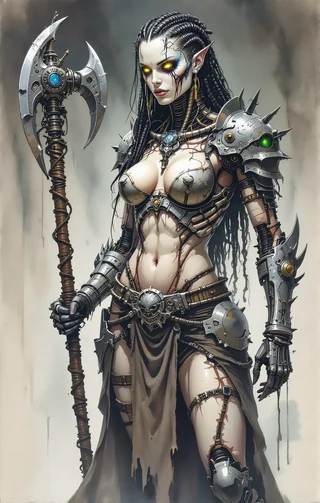
Multiclassing allows you to combine features from different classes, creating a unique character that can fulfill multiple roles. However, it comes with specific rules: you must meet ability score prerequisites to multiclass, and you’ll need to track hit dice, spell slots, and class features separately. This can be a great way to create a versatile character, but it requires careful planning.
When considering multiclassing, think about when to take your first dip into another class. For example, if you’re a Paladin looking to add spellcasting abilities, you might want to take a level in Sorcerer for its spell slots and spells. Just be cautious not to delay key features from your main class, as this could weaken your character in the long run.
Warning: Avoid over-multiclassing, as it can lead to a character that lacks focus and fails to reach their full potential. Stick to two or three classes for the best results.
3. Ability scores: methods and sample allocations
Ability scores are the backbone of your character’s effectiveness in D&D. You can generate these scores using three main methods: standard array, point buy, or rolling dice (typically 4d6 and dropping the lowest die). For beginners, I recommend starting with the standard array, which provides a balanced set of scores.
Once you have your scores, it’s essential to prioritize your character’s main stats based on their class and role. For instance, a Barbarian should focus on Strength and Constitution, while a Wizard should prioritize Intelligence and Constitution. A simple three-step procedure to determine your ability priorities could look like this:
- Identify your primary stat based on your class.
- Assign your highest score to that stat.
- Allocate points to Constitution to ensure survivability.
3.1 Methods: standard array, point buy, rolling
Each method for generating ability scores has its advantages. The standard array provides a quick and balanced approach, allowing you to focus on character creation rather than math. The point buy method offers more customization, letting you choose which scores to prioritize, but it can be time-consuming. Rolling dice can lead to exciting results but may create imbalances in character strength.
When deciding which method to use, consider the campaign length and your playstyle. For shorter campaigns, the standard array is ideal for quick character creation. In contrast, if you’re planning a long-term campaign, point buy or rolling could lead to more personalized characters. Be sure to confirm your chosen method with your DM before finalizing your ability scores.
Warning: If you choose to roll for your scores, establish a clear reroll policy with your DM to avoid frustration if you roll poorly.
3.2 Three example allocations
Here’s how you might allocate your ability scores based on different character archetypes using the standard array:
- Front-line Fighter: Strength 16, Constitution 14, Dexterity 13, Intelligence 10, Wisdom 12, Charisma 8.
- Dexterity-based Rogue: Dexterity 16, Constitution 14, Intelligence 13, Strength 10, Wisdom 12, Charisma 8.
- Full Caster Wizard: Intelligence 16, Constitution 14, Dexterity 13, Strength 10, Wisdom 12, Charisma 8.
Each allocation emphasizes the primary stats needed for the respective classes while ensuring a solid Constitution score for survivability.
Example: For a front-line Fighter, you might prioritize Strength to hit harder and Constitution to maintain hit points in combat. Aim to push your Strength to 18 at level 4 or 8 for maximum effectiveness.
3.3 3-step procedure to pick ability priorities
To finalize your ability scores, follow this quick three-step procedure:
- Identify your primary stat based on your chosen class (e.g., Strength for Fighters).
- Assign your highest score to that primary stat to maximize your effectiveness in combat.
- Allocate a minimum of 14 to Constitution to ensure your character can withstand damage, then distribute remaining scores as needed.
If you plan to multiclass, verify that your secondary stat meets prerequisites for your future class. For example, if you want to dip into Rogue, ensure you have at least 13 Dexterity.
Tip: After assigning scores, remember to apply any racial bonuses to enhance your character’s strengths further.
4. Background, skills, and proficiencies
Your character’s background provides essential skills, tools, languages, and starting equipment that shape their identity and capabilities. Choosing a background that aligns with your character concept not only adds depth to their story but also grants mechanical benefits. Popular beginner-friendly backgrounds include Soldier, Acolyte, Sage, Criminal, and Folk Hero, each offering different skills and features.
When selecting a background, consider how it influences your character’s narrative and role in the party. For instance, a Criminal background might provide access to underworld contacts, while a Sage background could grant knowledge of ancient lore. Use these backgrounds to create bonds, ideals, and flaws that inform your character’s decisions and interactions in the game.
4.1 Choosing a background for mechanics and story
To choose a background that balances mechanics and story, start by mapping sample backgrounds to your class. Identify which skills, tools, or features will provide the most benefit to your character. For instance, if you’re creating a Bard, consider the Entertainer background to gain proficiency in Performance and a useful feature for social interactions.
Additionally, think about how your background can create rich narrative hooks. For example, if your character was a Soldier, you could tie their past experiences into the campaign’s plot, perhaps having them confront former enemies or allies. Don’t hesitate to negotiate with your DM to swap proficiencies or features to better fit your character’s story.
4.2 Tying proficiencies to roleplay
Proficiencies don’t just serve mechanical purposes; they can also enhance your character’s roleplay opportunities. Connect your proficiencies to your character’s backstory by creating micro-scripts you can use during gameplay. For example, if your character has proficiency in blacksmithing tools, you might say, “I pull out my hammer and start repairing my armor; it’s a skill I honed during my time as a blacksmith’s apprentice.”
By tying proficiencies to your character’s daily interactions, you can create memorable moments in the game. This connection can also serve as a hook for your DM, providing them with ideas for plot points or character development throughout the campaign.
5. Equipment, currency, and starting choices
Choosing the right equipment and starting gear can significantly impact your character’s early adventures. I recommend taking the default equipment provided by your class and background for a balanced start. However, pay attention to essential items often overlooked, such as a light source, rope, healer’s kit, and rations, as these can be crucial during your first sessions.
When deciding between equipment packs and buying gear, consider your campaign type. For example, if you’re heading into a dungeon environment, prioritize items like rope and torches. If your campaign leans more towards urban intrigue, you might want to invest in thieves’ tools or disguises. Always confirm with your party to ensure you’re not doubling up on gear that could be shared.
5.1 Equipment packs vs. buying gear
When deciding between taking equipment packs or buying gear, weigh the pros and cons of each approach. Equipment packs are a quick and balanced option, providing essential items for your character’s role. However, buying gear allows for greater customization, letting you tailor your inventory to your character’s specific needs.
To help you choose, consider the type of campaign you’re playing. If your DM has indicated that magic items will be scarce, it might be more beneficial to buy armor upgrades or specific tools to enhance your character’s effectiveness. Always ask your DM about merchant access before making purchases to avoid unnecessary expenses.
5.2 Example starter gear lists by archetype
Here are tailored starter gear lists based on common archetypes to help you get started:
- Heavy Front-liner (Fighter/Paladin):
- Chain mail
- Shield
- Longsword
- Healer’s kit
- Rations (10 days)
- Dex-based Martial (Rogue/Ranger):
- Leather armor
- Rapier
- Thieves’ tools
- Bow and arrows
- Rations (10 days)
- Full Caster (Wizard/Cleric):
- Spellbook
- Quarterstaff
- Component pouch
- Healer’s kit
- Rations (10 days)
- Hybrid Archetype (Bard/Rogue):
- Leather armor
- Rapier
- Lute (musical instrument)
- Thieves’ tools
- Rations (10 days)
Tip: Remember to label shared party gear to keep track of who owns what, especially if you’re using items like healing potions or tools that can benefit multiple party members.
6. Spells and spellcasting choices
6.1 How to choose spells for new casters
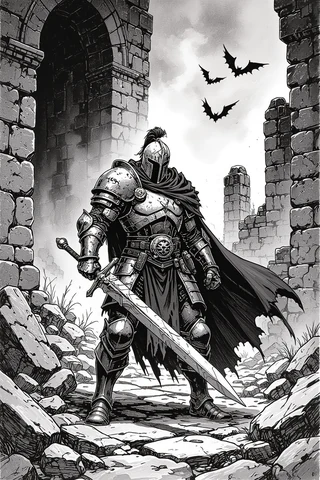
Choosing spells for your Dungeons & Dragons (D&D) character can be overwhelming at first, especially if you’re a new caster. The key is to balance your spell selection between damage, control, defense, and utility. A good starting point is to pick spells that complement your role in the party. For instance, if you’re a support caster, prioritize healing and buffing spells. If you’re a blaster, look for damage-dealing spells.
When selecting spells, consider your party’s needs and the campaign’s style. Ask yourself questions like: What kind of encounters will we face frequently? Are we in a dungeon where utility spells like *Detect Magic* or *Invisibility* might shine? Do we have enough healing resources? A checklist can help guide your decision-making:
- Assess your party’s composition.
- Identify the type of encounters you expect.
- Choose spells that fill gaps in your team’s capabilities.
- Review your spell slots and availability for casting.
6.2 4-step procedure to pick a cantrip and prepared spells
Selecting your initial cantrips and prepared spells can set the tone for your character’s effectiveness in the game. Here’s a straightforward 4-step process to help you navigate this:
- Pick one reliable attack cantrip: Choose the cantrip that deals the most damage or has the best scaling. For example, a Sorcerer might select *Fire Bolt* for its high damage potential.
- Pick one utility cantrip: Choose a cantrip that aligns with your character concept, such as *Mage Hand* for a versatile tool or *Guidance* for boosting allies’ skill checks.
- Select prepared spells: For your level-1 spell slots, choose one damage/control spell (like *Magic Missile*) and one defensive/escape spell (like *Shield*). If you can, include one concentration spell (a spell that requires ongoing focus).
- Add a campaign-specific utility spell: This could be something like *Detect Magic* for a magic-heavy campaign or *Goodberry* for survival scenarios.
Example: A Wizard might start with *Fire Bolt* and *Mage Hand* as cantrips, then prepare *Magic Missile* and *Shield* as their first-level spells, plus *Detect Magic* to navigate a mystery-laden campaign.
Warning: Be mindful of concentration spells; you can only maintain one at a time, so choose wisely to ensure your spell selection remains versatile.
6.3 Sample spell lists for common caster roles
When starting your D&D journey, having a solid spell list can make all the difference. Let me provide you with sample spell lists tailored for common caster roles:
- Cleric:
- Cantrips: *Guidance*, *Sacred Flame*
- Prepared Spells: *Cure Wounds*, *Bless*, *Shield of Faith*, *Detect Magic*
- Wizard:
- Cantrips: *Fire Bolt*, *Mage Hand*
- Prepared Spells: *Magic Missile*, *Shield*, *Detect Magic*, *Sleep*
- Druid:
- Cantrips: *Shillelagh*, *Druidcraft*
- Prepared Spells: *Healing Word*, *Entangle*, *Goodberry*, *Detect Magic*
- Sorcerer:
- Cantrips: *Fire Bolt*, *Prestidigitation*
- Prepared Spells: *Magic Missile*, *Shield*, *Mage Armor*, *Burning Hands*
Example: If you’re playing a Cleric, you’ll want to prioritize healing and buffs, which is why *Cure Wounds* and *Bless* are essential. For a Wizard, *Magic Missile* offers reliability in combat, while *Shield* enhances your defense.
Tip: Feel free to adjust these sample lists based on your campaign’s themes and your party’s needs. Don’t hesitate to consult with your DM for suggestions tailored to your adventure!
7. Level progression, feats, and ASIs
7.1 Deciding feats vs ability score increases
When leveling up your D&D character, you’ll often face the decision of whether to increase your ability scores or take a feat. As a beginner, it’s generally advised to prioritize raising your primary stat to 18 or 20 before considering feats. For example, a Fighter might want to boost their Strength first to increase their attack and damage rolls.
If your primary stat is 16 or higher and you’re looking for a playstyle shift or a unique mechanical benefit, then it’s time to consider a feat. Feats can provide specialized abilities that enhance your character’s effectiveness. Here’s a straightforward decision flow:
- If your main stat is below 16, take an Ability Score Increase (ASI).
- If your main stat is 16 or higher and you want to change how your character plays, consider a feat.
- Look for feats that complement your class and role, like *War Caster* for casters or *Great Weapon Master* for melee fighters.
Example: A Cleric with a Wisdom of 16 might take *War Caster* to maintain concentration on spells more effectively, while a Barbarian with a Strength of 20 should raise their Strength even further to maximize damage.
Tip: Always check with your DM about which feats are allowed, especially if you’re considering homebrew options!
7.2 Suggested milestone leveling plans
When planning your character’s growth, it’s helpful to have a milestone leveling plan that aligns with your character’s development. Here are three suggested plans based on common builds:
- Martial-First Build (e.g., Fighter):
- Levels 1-5: Focus on gaining Extra Attack and key features.
- Levels 6-10: Consider a dip into Rogue for skills or a spellcasting class for utility.
- Caster-First Build (e.g., Wizard):
- Levels 1-5: Prioritize spell slots and early spells.
- Levels 6-10: Add a few levels in Sorcerer for metamagic options.
- Multiclass Hybrid Build (e.g., Sorcadin):
- Levels 1-6: Start with Paladin for front-line capabilities.
- Levels 7-10: Begin taking levels in Sorcerer for spellcasting versatility.
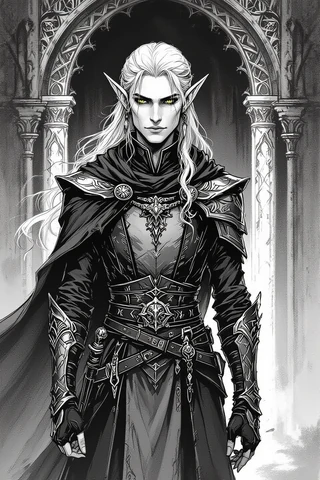
Example: A Fighter focusing on martial prowess should aim for level 5 to unlock Extra Attack before considering a multiclass dip. This ensures that they maximize their combat effectiveness before branching out.
Warning: Be mindful of the timing for your multiclassing; rushing into it too soon may delay crucial features that define your primary class.
7.3 5-step procedure for planning multi-level builds
Planning a multi-level character build can be intricate but rewarding. Here’s a straightforward 5-step procedure to guide you:
- Define your end-goal role: What do you want your character to excel at by level 20?
- Identify must-have thresholds: Recognize critical levels for gaining key features, such as Extra Attack at level 5 for martial classes.
- Allocate initial levels: Focus on reaching those key thresholds quickly.
- Plan ASIs/feats: Schedule when to take ability score increases or feats based on your growth trajectory.
- Re-evaluate: After several sessions, check in with your DM and adjust your plan based on campaign developments.
Example: If you’re building a Gish (a character that combines melee and spellcasting), you might start with Fighter up to level 5, then switch to Wizard for spellcasting, ensuring you hit that Extra Attack milestone first.
Tip: Using digital tools like D&D Beyond can help you visualize your character’s progression and make adjustments as needed!
8. Roleplay, backstory, and NPC hooks
8.1 Creating bonds, ideals, flaws
Crafting your character’s bonds, ideals, and flaws adds depth to your roleplaying experience and helps you engage with the game world. Start by selecting 1-2 traits from your background, a bond that connects you to another character or the world, and a flaw that can create interesting conflicts during play.
For instance, if your character is a former soldier, a bond might be to protect their comrades, while a flaw could be a lingering trauma from battle. These elements should be active in your gameplay, influencing decisions and interactions with NPCs (non-player characters).
To make your bonds more dynamic, consider turning them into quest hooks. Ask yourself: Who is involved? Where did this bond originate? Why is it important to your character? This could lead to rich storytelling opportunities during your campaign.
8.2 One-paragraph backstory templates and examples
Creating a backstory for your character can be a fun exercise that also provides hooks for your DM to use in the campaign. Here are four one-paragraph templates tailored to different campaign tones:
- Intrigue: “Once a trusted advisor to the king, my character was framed for treason and now seeks to uncover the true traitor while evading execution.”
- Wilderness: “Raised in the depths of the forest by a tribe of druids, my character is on a quest to find the ancient artifact that can restore balance to nature after a dark corruption spreads.”
- Urban Crime: “As a skilled thief in the bustling city, my character dreams of pulling off the ultimate heist while staying one step ahead of the law and rival gangs.”
- Religious Crusade: “Once a devout follower of the Light, my character fell from grace after witnessing the horrors of war, now seeking redemption through acts of bravery and faith.”
Example: If you choose the Urban Crime template, your character might have connections to various factions, providing hooks for the DM to integrate into the plot.
Tip: Consider including a sentence that hints at potential multiclassing or future character development, like a moment of revelation that could lead to a different path.
9. Optimization, safety, and common pitfalls
9.1 Safe optimization vs rules-lawyering
When it comes to character optimization in D&D, it’s essential to find a balance between making your character effective and ensuring the game remains fun for everyone. Safe optimization focuses on enhancing your character’s capabilities while avoiding “rules-lawyering,” which can disrupt gameplay by nitpicking rules excessively.
To optimize effectively, consider how your choices can benefit the entire party. For example, if you’re building a face character (one who excels in social interactions), the *Actor* feat can enhance your roleplay without overshadowing others. Conversely, pursuing min-maxing tactics that disrupt group dynamics can lead to frustration, so strive for a collaborative approach.
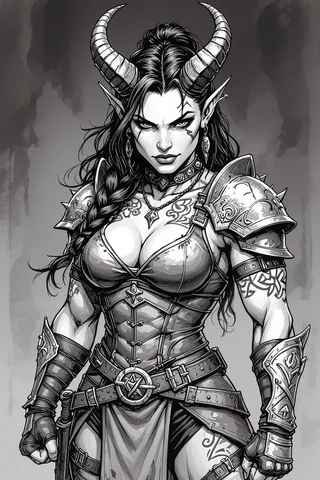
Here’s a simple etiquette guide for proposing optimizations:
- Present your ideas during session zero or downtime.
- Offer to swap for narrative concessions if your optimization affects gameplay.
- Ensure your choices support the fun and engagement of the entire group.
9.2 Common mistakes and quick fixes
Even experienced players can make mistakes during character creation or leveling up. Here are some common pitfalls and how to fix them:
- Spreading stats too thin: Focus on your primary stat and Constitution; avoid trying to be good at everything.
- Fix: Reallocate points to strengthen your main abilities.
- Ignoring Constitution: Low Constitution can lead to early character death.
- Fix: Ensure a minimum of 12-14 in Constitution for most builds.
- Low-Wisdom Clerics: A Cleric with low Wisdom can struggle to cast spells effectively.
- Fix: Prioritize Wisdom for spellcasting and healing roles.
- Delayed capstones: Multiclassing too soon can delay essential abilities.
- Fix: Stick to one class until after reaching level 5 or key features.
- Over-dipping multiclass: Taking too many classes can dilute your effectiveness.
- Fix: Aim for 2-3 classes max to keep your character focused.
Example: If you find yourself with a character that feels underpowered, don’t hesitate to ask your DM for minor adjustments, like a low-level magic item to boost your character’s effectiveness.
Tip: A proactive approach to mistakes can enhance your learning process, allowing you to enjoy the game and avoid frustration in future sessions.
10. Digital tools, platforms, and character builders
10.1 D&D Beyond, Roll20, Foundry VTT overview
Digital tools can significantly enhance your D&D experience, especially for character creation and management. Here’s a brief overview of three popular platforms:
- D&D Beyond: The go-to tool for character creation, allowing you to build and manage your character sheet digitally. It features auto-calculation for stats, spells, and more.
- Roll20: A versatile virtual tabletop (VTT) that enables you to play online with friends. It supports maps, tokens, and character sheets, making it ideal for remote sessions.
- Foundry VTT: A more advanced VTT that offers deep automation and customization options for dedicated players and DMs. It requires a one-time purchase but provides extensive features for managing campaigns.
Example: If you’re new to D&D, I recommend starting with D&D Beyond for character creation due to its user-friendly interface and helpful guides. Once you’re comfortable, you can explore Roll20 or Foundry for online play.
Warning: Be aware of licensing restrictions when using content from D&D Beyond, especially if it’s homebrew or third-party material.
10.2 How to import/export character data
Moving your character data between platforms can be a bit tricky, but with the right steps, you can make it seamless. Here’s how to export from D&D Beyond to Roll20:
- Export your character sheet from D&D Beyond: Use the export feature to create a file of your character.
- Import into Roll20: If you’re using a paid subscription, you can upload the file directly. Otherwise, you might need to enter the data manually.
- Verify spells and slots: After importing, double-check that all spells and slots are correctly transferred.
- Configure macros: Set up any macros you plan to use for automation during gameplay.
- Test your attack rolls: Run a few tests to ensure everything functions as expected.
Tip: Back up your character sheet before making significant changes or transfers to avoid losing any important data or customizations.
11. Automation, macros, and sheet management
11.1 Automating attacks, spells, and resource tracking
When it comes to playing Dungeons & Dragons, keeping track of your character’s actions, spells, and resources can be overwhelming, especially during intense combat situations. Automating these processes can save you time and help you focus more on the story and roleplay. Start by identifying which actions you frequently need to take and consider automating them. For instance, your main attack rolls, spell slots, and resource tracking (like health points or spell components) are great candidates for automation.
To begin automating your character, you can use tools like D&D Beyond or virtual tabletop platforms (VTTs) like Roll20 or Foundry. For example, if you’re using D&D Beyond, you can set up your character so that when you click on an attack option, it automatically calculates the damage based on your modifiers. Here’s a simple priority list to help you decide what to automate first:
- Main Attack: Create a macro for your primary attack action to streamline combat.
- Spell Slots: Set up a tracker for your available spell slots to avoid confusion during gameplay.
- Short/Long Rest Resources: Automate the tracking of hit dice and other resources that reset after resting.
11.2 Example macros and simple scripts
Macros are small scripts that automate common tasks in your game, making your sessions smoother and less cumbersome. Here are two macro examples that you can use in your sessions, which can significantly enhance your gameplay experience. These macros can be tailored for various platforms, such as Roll20 or Foundry.
- Attack Macro:
/roll 1d20 + @mod + @attackbonus
/roll @damage + @additionaldamage
This macro allows you to roll for your attack and damage in one go. Replace `@mod`, `@attackbonus`, and `@damage` with your character’s specific modifiers and bonuses.
- Concentration Check Macro:
/roll 1d20
!prompt "Concentration? DC = damage taken"
This macro prompts you to roll a d20 for concentration checks, reminding you of the difficulty based on the damage taken.
Example: If your character takes damage while concentrating on a spell, use the concentration check macro to quickly determine if you maintain your concentration.
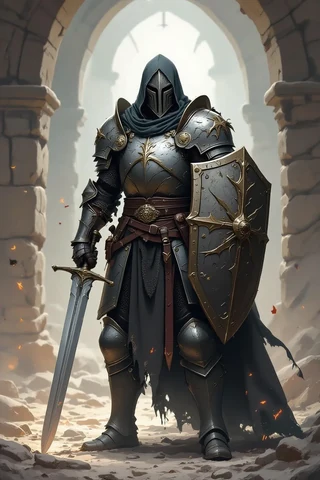
Tip: Always test your macros before a session to ensure they work correctly. Naming them descriptively will help you and your group easily identify their purposes during gameplay.
12. Party and campaign management for players and DMs
12.1 Sharing sheets, session prep, and resource tracking
Effective communication and organization within your gaming group can make a significant difference in your D&D experience. Sharing character sheets and preparing for sessions together allows everyone to stay on the same page regarding character abilities, party dynamics, and campaign progress. Utilize tools like Google Sheets or dedicated character management software to maintain transparency and track resources like loot and downtime projects.
When sharing resources, consider creating a shared document that includes columns for party loot, downtime projects, and quest hooks. For example, you might have a column for each character to list their individual loot, while also having a collective section for items that the party has found. Make it a habit to update this document within 48 hours after each session to keep everyone informed and engaged.
12.2 Onboarding new players: 4-step process
Bringing new players into your D&D group can be an exciting experience, but it’s essential to ensure they feel welcomed and prepared. A structured onboarding process can help new players integrate smoothly into the game. Here’s a simple four-step process to onboard new players effectively:
- Concept & Role Alignment (15 min): Discuss the character concepts with the new player and ensure their chosen role fills a gap in the party. For example, if your party lacks a healer, encourage them to consider a Cleric or Druid.
- Mechanics Check (20 min): Go over their character sheet together, confirming their stats, spells, feats, and any multiclass prerequisites. This is a great time to clarify any rules they may be unfamiliar with.
- Story Hooks & Consent (15 min): Share backstory hooks and discuss any hard limits the new player may have. This could include topics they aren’t comfortable exploring in-game, ensuring everyone is on the same page.
- Tools & Automation (10 min): Familiarize them with any digital tools you use, such as D&D Beyond or Roll20, and explain any macros or automation you’ve set up.
Example: After the onboarding process, the new player should feel comfortable with their character, understand the group’s dynamics, and know how to access resources and tools for their gameplay.
Tip: Encourage open communication throughout the onboarding process, allowing the new player to ask questions and express any concerns they may have. This approach fosters a welcoming atmosphere and encourages collaboration within your D&D group.
13. Resources & complementary tools
13.1 Apps, websites, calculators, and templates
Using the right tools can significantly enhance your D&D experience. Here’s a curated list of apps and websites that can help streamline character creation and management:
- D&D Beyond: An official digital toolset that allows you to create characters, access rules, and share content with your group. It’s especially useful for tracking character sheets and automating calculations.
- Roll20: A virtual tabletop that provides a platform for online gaming, complete with maps, dice rollers, and character sheets. It’s excellent for remote play and has many community-created resources.
- Foundry VTT: A more customizable virtual tabletop, Foundry offers extensive automation options and a wide range of modules to enhance gameplay. It’s perfect for groups looking for a more tailored experience.
13.2 Recommended books and online guides
For those looking to deepen their understanding of Dungeons & Dragons, several excellent resources can help. Here are some essential books and online guides to consider:
- Player’s Handbook: This is the core rulebook for D&D 5th Edition, providing all the essential rules you need to create characters and understand gameplay. It’s a must-have for any player.
- Xanathar’s Guide to Everything: This book introduces new options for character classes, spells, and tools that can enhance your gameplay experience. It’s great for players looking for customization.
- Tasha’s Cauldron of Everything: This supplement offers additional character options and rules for customizing your gameplay experience. It’s particularly helpful for those interested in exploring new mechanics.
Example: You can find many online guides, such as the D&D Beyond multiclass guide, which provides tips for effectively managing multiclass characters and their unique challenges.
Tip: When exploring online resources, ensure they come from reputable sources. Community forums and dedicated D&D sites often have valuable insights and advice from experienced players.
Fox’s take
Now that you have a solid understanding of how to create a D&D character, it’s time to put your knowledge into action! Start by defining your character’s concept and role, then move through the steps of selecting race, class, ability scores, and more. Remember, the goal is to create a character that you enjoy playing and that fits well within your party. Don’t hesitate to collaborate with your fellow players and your Dungeon Master to enhance your character’s backstory and role in the campaign. Happy adventuring!
FAQ
How do I choose the right class for my first D&D character?
Consider your preferred playstyle and the role you want to fill. Classes like Fighter and Cleric are beginner-friendly.
What’s the easiest way to assign ability scores?
Use the standard array method (15, 14, 13, 12, 10, 8) and prioritize your primary stat and Constitution.
When should I multiclass and how do I do it without harming my character?
Multiclass after level 5 in your primary class and ensure you meet ability score prerequisites. Limit to 2-3 classes.
What spells should a new caster pick at level 1?
Choose one damage spell like Magic Missile, a utility spell like Detect Magic, and a defensive spell like Shield.
How can I use D&D Beyond or a VTT to manage my character?
Use D&D Beyond for digital character sheets and VTTs like Roll20 for tracking resources and automating actions.
Sources
- fightclub5.com
- litrpgreads.com
- litrpgreads.com
- nat1gaming.com
- nat1gaming.com
- pages.roll20.net
- pages.roll20.net
- belloflostsouls.net
- belloflostsouls.net
- dndbeyond.com
- dndbeyond.com
- dndbeyond.com
- dndbeyond.com
- enworld.org
- enworld.org
- enworld.org
- etsy.com
- legendkeeper.com
- thedicedapple.com
- youtube.com
- youtube.com
- youtube.com