Are you a Game Master (GM) looking to create an engaging tavern quest in just 30 minutes? You might find yourself pressed for time but still wanting to deliver an exciting experience for your players. Don’t worry! With the right approach, you can craft a quick tavern adventure that includes memorable NPCs (non-player characters), intriguing hooks, and captivating encounters, all while keeping the pacing tight. Together, we’ll explore how to achieve this in a simple, step-by-step manner, ensuring you have all the tools you need for a successful session.
What you’ll learn in this article
- 🎲1Understand the concept of a tavern quest in 30 minutes and its purpose.
- ✅2Identify quick tavern quest hooks that grab players’ attention.
- 🔎3Master the 5-minute prep process for efficient GM preparation.
- 🧙4♂️ Explore ready-to-run tavern quest templates for instant use.
- 📜5Discover a minute-by-minute RPG guide to pacing your session.
- 💰6Learn about loot and rewards that motivate players in short sessions.
- ⚔7️ Implement encounters and complications to enhance player engagement.
- 🗺8️ Create a simple tavern layout for immersive gameplay.
- 🎭9Utilize NPC archetypes and quick stat prompts for diverse interactions.
- 🔄10Transform a tavern quest into a campaign plot thread for future adventures.
- 🎲11Ready-to-run full example: a 30-minute tavern quest
- 🎲12Tools, platforms and asset packs (digital & physical)
- 🎲13Session management & automation for speed
- 🎲14Improvisation & troubleshooting: 12 player choices and counters
- 🎲15Scaling knobs: tailoring the same quest to group level
- 🎲16Reuse & variation: how to make a tavern quest into a hook chain
1. What is a 30-minute tavern quest? (purpose, scope, expected outcomes)
A 30-minute tavern quest is a compact, self-contained adventure designed to be completed in a single session, typically lasting around 30 minutes. The purpose of these quests is to provide a quick and engaging experience for players, serving as a filler when time is short, an opener for a longer session, or a spotlight moment for character development. In this format, you can expect one central complication, a few NPCs (non-player characters), and a clear resolution that delivers tangible outcomes for your players.
The expected outcomes of a 30-minute tavern quest include character development through meaningful interactions, plot advancement with a new clue or hook for future sessions, and at least one opportunity for players to use their skills in a significant way. By keeping the quest focused and straightforward, you ensure that players leave the table feeling accomplished, with new story threads to explore or relationships to deepen in subsequent adventures.
Tip: When planning your quest, think about what success looks like for both you and your players. Aim for concrete deliverables, such as a tangible reward, a narrative hook that advances the story, and a moment that highlights player characters.
Why use tavern quests: learning, filler, session openers
Tavern quests are especially useful for several reasons. First, they are excellent learning tools for new players or GMs. The stakes are often low, allowing players to test new mechanics or role-playing skills without the pressure of a lengthy campaign. For example, if you have players who are new to role-playing games, a tavern quest can help them practice social interactions, combat strategies, or problem-solving in a safe, controlled environment.
Additionally, these quests can serve as effective fillers when a player is late or if session time is running short. They can easily slot into your existing campaign, providing a quick diversion or a chance to flesh out a character’s backstory. Think of them as a versatile tool in your GM toolkit—perfect for introducing long-term NPCs (characters controlled by the GM) or foreshadowing future plot developments.
Example: If a player is late for your session, you can run a quick tavern quest that introduces a rival character seeking revenge, which can later tie into the main campaign.
2. Core design decisions in 5 minutes (hook, stakes, tone)
When crafting your 30-minute tavern quest, you need to make a few core design decisions quickly. Ideally, you should spend about five minutes deciding on the type of quest—whether it will be social, mystery, or combat-focused. After that, choose a hook (the initial scenario that draws players in), define the stakes (what players stand to gain or lose), and establish the overall tone (the mood of the quest, like serious or comedic).
To make these decisions, I recommend using a timer and a priority order. Start by identifying the desired outcome—what you want players to take away from the quest. Then, consider the tone that matches that outcome, followed by the mechanical demands (such as combat rolls or investigation checks). Lastly, think about the complexity of your preparation. A straightforward hook will save you time and keep the session flowing smoothly.
Warning: Avoid getting bogged down in details at this stage. Focus on high-level concepts that can be fleshed out later during your prep.
Choosing stakes and win conditions
Establishing the stakes is crucial for your quest. You want the win conditions to be simple and clearly defined, whether they are binary (success/failure) or graded (partial success). For example, if your quest involves retrieving a stolen item, the stakes could be low—players receive gold or favors for success—or they could be high, such as saving a town from disaster if they fail.
To help you select the right stakes, consider the type of hook you’ve chosen. For social encounters, win conditions might involve persuading a character to provide information. In mystery quests, it could be recovering a clue that leads to solving a problem. For combat scenarios, the stakes might involve defending the tavern from an attacking group.
Tip: Remember to offer both soft stakes (like reputation or favors) and hard stakes (like time-limited consequences) to keep players engaged and invested.
Picking a hook that fits 30 minutes
Choosing the right hook is essential for a successful 30-minute tavern quest. Opt for simple, actionable hooks such as a theft, a missing item, or a bar fight. Each of these hooks can be resolved in the time frame you have, ensuring players stay engaged and don’t feel rushed. For instance, a theft hook could take about 10 to 25 minutes, while a bar fight might only need 5 to 15 minutes.
Before finalizing your hook, ask yourself: does it require travel or additional maps? If so, you might need to simplify the scenario or adjust your time allocation. A good rule of thumb is to select hooks whose expected resolution time is less than your available minutes minus 5, allowing for a brief debriefing at the end of the session.
Example: If you choose a bar fight as your hook, prepare for the possibility of chaotic interactions, and think about how to keep the action flowing while still allowing for character development.
3. Prep in 5 minutes: exact steps
Preparation for your tavern quest can be done in just five minutes if you follow a structured approach. First, set a timer for each segment of your prep. Start with choosing your hook (0–5 minutes), then sketch a simple tavern map and pick 3 NPCs (5–10 minutes). Next, add one or two complications to your quest (10–15 minutes), decide on the loot (15–20 minutes), write a quick script for your NPCs (20–25 minutes), and finally, test or read through your notes (25–30 minutes).
If you’re under extreme time pressure, consider a compressed version of this prep. Choose your hook, select a single NPC and complication, and decide on a reward in just three steps. Alternatively, for a more nuanced quest, spend 15 minutes to flesh out additional NPCs and a side clue.

Tip: Use a timer to keep yourself on track. This ensures you stay focused and can deliver a satisfying adventure within your limited time frame.
A 5-minute prep checklist (3–6 steps)
- Choose your hook: Pick a simple, actionable scenario that fits your time frame.
- Sketch the tavern map: Create a basic layout that includes key areas like the bar, tables, and exits.
- Select 3 NPCs: Identify their motivations and how they connect to the hook.
- Add 1-2 complications: Think of challenges that could arise during the quest.
- Decide on loot: Determine what rewards players can earn, whether it’s gold or valuable information.
- Write a quick script: Prepare key lines for your NPCs to keep interactions smooth.
Example: If your hook involves a missing heirloom, sketch a tavern with a back room where the heirloom might be hidden, and choose an NPC who is the owner of the heirloom and another who might have stolen it.
Quick asset assembly (handout, NPC lines, one-map)
Assembling quick assets can significantly enhance your tavern quest’s flow. Start by creating a half-sheet handout for players, summarizing the quest’s key elements. Next, prepare three NPC lines on cue cards, which should include a hook line, their motivation, and a secret or piece of information they hold. Finally, ensure you have a single one-map sketch or a visual for your virtual tabletop (VTT) setup.
For the handout, aim for clarity and brevity—30 words summarizing the quest will do the trick. For NPC blurbs, keep them to three lines, focusing on what players need to know to engage with these characters effectively.
Tip: Having these assets ready to go saves precious time during your session, allowing you to focus on the storytelling and player interactions.
4. The 30-minute timeline and pacing templates
To maintain the pace of your 30-minute tavern quest, you can use a minute-by-minute timeline that breaks down the session into manageable segments. A good structure to follow is a 5-beat pacing cycle: Hook, Complication, Pivot, Revelation, and Exit. Each beat should be assigned a specific time allocation to keep the adventure flowing smoothly.
For example, in a 30-minute quest:
- 0-5 minutes: Introduce the hook and set the scene.
- 5-15 minutes: Present the complication that challenges the players.
- 15-25 minutes: Allow players to pivot their approach based on their choices.
- 25-30 minutes: Wrap up the quest with a resolution and final thoughts.
Warning: Be prepared to adjust on-the-fly if players linger too long on one section. Keeping an eye on the clock will help you decide when to compress or expand certain segments.
Minute-by-minute breakdowns for 30, 20, and 15 minutes
For a 30-minute session, the breakdown could look like this:
| Time | Activity |
|---|---|
| 0-5 minutes | Hook introduction. |
| 5-10 minutes | Player interactions with NPCs. |
| 10-20 minutes | The complication arises. |
| 20-25 minutes | Players resolve the complication. |
| 25-30 minutes | Wrap up and discuss next steps. |
For a 20-minute quest:
- 0-3 minutes: Hook introduction.
- 3-10 minutes: Players engage with NPCs.
- 10-17 minutes: Complication occurs.
- 17-20 minutes: Resolution and wrap-up.
In a 15-minute quest:
- 0-2 minutes: Quick hook setup.
- 2-7 minutes: Immediate NPC interactions.
- 7-12 minutes: Complication arises.
- 12-15 minutes: Quick resolution.
Example: If you notice players are stalling during a social interaction, feel free to skip to the complication and keep the pacing tight.
How to compress or expand on the fly
Sometimes, you may need to adjust your quest in real-time. If you find that players are moving quickly through the material, you can expand the experience by adding an NPC or a clue that deepens the story. Alternatively, if players are stalling or struggling, compress the session by removing one complication or simplifying the quest.
For example, if players are taking too long to decide on their next move, introduce a “complication trigger” after a few minutes of inactivity. This could be an NPC who grows impatient or a sudden event that forces the players to act. This technique keeps the momentum going while ensuring that the story remains engaging.
Tip: Always have a couple of backup complications or NPCs ready to go, so you can seamlessly integrate them into the quest as needed.
5. Tavern layout, map and props (simple map options)
Creating a simple tavern layout is essential for your 30-minute quest. A recommended size is a 10×10 grid for roleplay-focused quests or a 20×20 grid for combat scenarios. The layout should include key features such as a bar, tables, a fireplace, stairs, and exits. This basic design will allow players to navigate the space easily and engage with the environment.
When sketching your tavern, consider diverse themes to add flavor. For instance, a pirate tavern could have ropes and nets, while a noble’s tavern might feature secluded booths and wealthy patrons. Each theme can also incorporate specific props that enhance the storytelling. For example, a shrine-tavern might have a holy relic behind the bar, while an outlaw den could include trapdoors and bribery spots.
Example: If you decide on a pirate theme, you might include props like an old treasure map hanging on the wall or a mysterious chest that players can interact with.
Map sizes, grid vs gridless, top-down sketch ideas
When deciding between grid and gridless maps, consider the style of play you want to promote. A grid (where each square represents a set distance, like 5 feet) is excellent for tactical combat, while gridless maps work well for theater-of-the-mind roleplay, where players visualize the space without strict measurements.
For a quick sketch, follow these steps:
- Draw a rectangle to represent the tavern’s outline.
- Divide the rectangle into a grid of squares for a tactical look or leave it open for a more narrative approach.
- Place key features like the bar, tables, and doors in their respective spots.
Tip: If you’re short on time, consider using a pre-made map or a digital tool like Inkarnate for a quick setup.
Ready-to-print map legend and symbol set
A printable map legend is a handy resource for your tavern quest, allowing you to quickly communicate layout elements to your players. Here’s a simple symbol set:
- ○ Table
- ■ Bar
- △ Door
- ☼ Fireplace
- X Secret hatch
- Skull Danger
- P Noticeboard

When printing this legend, you can scale it to fit your map size—use a half-sheet for a 10×10 grid and a full sheet for a 20×20 layout. This way, players can easily identify key locations and interact with the environment effectively.
Example: You might create a half-sheet legend that players can reference during the session, ensuring they understand the space without needing to memorize every detail.
6. Key NPC archetypes and quick stat prompts
When populating your tavern with NPCs, having a selection of archetypes can save you time and enhance player engagement. Here are six core NPC archetypes, each with a one-line description and motivation:
- Barkeep: Loyal and wants peace; serves as a neutral ground for player interactions.
- Drunk Patron: A blabbermouth who shares rumors and gossip; can provide leads for quests.
- Rival Thief: Opportunistic and cunning; may try to steal from players or offer a side quest.
- Guard: Honor-bound and protective; might intervene in conflicts or provide information.
- Merchant: Desperate and eager to sell; can offer unique items or information for a price.
- Bard: An info broker who hides messages in song; can provide clues or entertaining distraction.
These archetypes create a dynamic environment, allowing players to interact in meaningful ways. You can also add a few additional archetypes like a Spy, who gathers intel for a faction, or a Local Hero, seeking redemption.
Tip: Consider tying NPC motivations to the players’ backstories to create deeper connections and enhance engagement.
6 NPC archetypes with one-line descriptions and motivations
- Barkeep: Loyal and wants peace; seeks to keep the tavern calm and welcoming.
- Drunk Patron: Blabbermouth who shares rumors; can provide leads but may also spread false info.
- Rival Thief: Opportunistic and cunning; may attempt to steal something from the players.
- Wounded Guard: Honor-bound and protective; offers help but is limited by injuries.
- Merchant: Desperate to sell items; will negotiate hard but may have a hidden agenda.
- Bard: Mysterious and clever; uses music to convey messages and gather intel.
Each of these archetypes can be fleshed out quickly during your prep time, providing a diverse array of characters for players to engage with in your tavern quest.
Example: If a player has a backstory involving a lost family heirloom, you can use the Merchant NPC to tie that into the quest, making the experience feel personal.
System-agnostic stat templates and light mechanical options
When creating a tavern quest in 30 minutes, it’s essential to have quick and flexible stat templates to represent your NPCs (non-player characters) and any adversaries. A system-agnostic stat template means these stats can be adapted to any tabletop RPG system without needing extensive modifications. Here’s a simple stat template you can use:
- NPC Name: [Insert Name]
- Tags: [Tough, Sneaky, Cunning]
- HP (Hit Points): [10-30, depending on difficulty]
- Attack: [1d6 + modifiers]
- Special Ability: [Describe one unique skill or action]
- Narrative Weakness: [A flaw that players could exploit]
Tip: To make your quest adaptable across different systems, consider adding scaling rules such as increasing HP by +10 for each party level or adjusting DC (Difficulty Class) by +1 for every two levels. This allows you to maintain challenge consistency for various player groups.
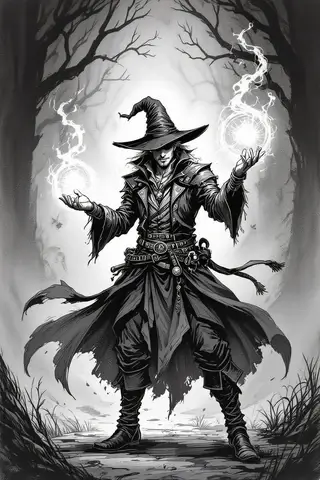
For mechanical flavors, you can divide your encounters into three categories: social (interactions that require persuasion), combat (fighting mechanics), and puzzle (challenges that require problem-solving). For example, in a social encounter, you might set a DC of 12 for persuasion checks, while a combat encounter could involve a minion structure with a leader, allowing for strategic play. This modular approach makes it easy to plug and play encounters into your tavern quest.
7. Ten fast tavern hooks and rumor seeds
Creating engaging hooks is crucial for drawing players into your tavern quest. Here are ten one-line hooks that can quickly grab their attention, along with immediate GM reaction phrases to kick off the scene:
- Missing Heirloom: “A local noble is desperate to find a stolen family heirloom. What will you do?”
- Poisoned Well: “The town’s water supply is poisoned, and the culprit is hiding among us!”
- Rival Gang: “A notorious gang has threatened the tavern’s owner. Will you help defend it?”
- Bard Treasure Rumor: “A bard claims to know the location of hidden treasure. Will you follow?”
- Bounty Hunter: “A bounty hunter is looking for a fugitive hiding in the tavern. Can you protect them?”
- Haunted Mug: “A mug from the tavern is said to be haunted. Will you investigate?”
- Tax Enforcers: “Tax enforcers are coming to collect debts. Will you help the tavern owner negotiate?”
- Secret Meeting: “You overhear a secret meeting discussing a plot against the town. What will you do?”
- Cursed Item: “A cursed item is causing havoc in the tavern. Can you help break the curse?”
- Message for a PC: “A stranger has a message for one of you. What could it be?”
Example: For the “Missing Heirloom” hook, you might say, “A local noble is desperate to find a stolen family heirloom. He offers a hefty reward for its return.” This immediately sets the stakes and invites players to engage with the quest.
8. Encounters and complications (social, combat, puzzle)
In your quest, you can incorporate various encounters to keep the players engaged. Here are three encounter templates that are easy to adapt: social, combat, and puzzle. Each template includes a brief run-through.
Social Encounter
- Approach: Players meet the NPC who needs help.
- Check: Players make a persuasion roll (DC 12).
- Complication: If they fail, a rival NPC interrupts, causing tension.
- Resolution: Players achieve success or negotiate a different outcome.
Combat Encounter
- Surprise: A group of thugs bursts into the tavern.
- Positions: Players can take cover behind tables.
- Round Structure: Players roll for initiative.
- Complication: The thugs have a leader with a special ability.
- Resolution: Players defeat the thugs or negotiate their surrender.
Puzzle Encounter
- Discovery: Players find a locked cellar door.
- Attempt: They must solve a riddle or find a key.
- Failure Consequence: If they fail, a trap is triggered.
- Resolution: Solving the puzzle reveals a clue or valuable item.
Warning: Be prepared to mix encounter types. For instance, a social encounter can quickly escalate into combat if players choose to threaten the NPC instead of negotiating.
9. Loot, rewards and soft XP: motivating players quickly
To keep your players engaged and motivated during a tavern quest, offering rewards is key. Here are six reward options that blend mechanical benefits, story-driven elements, and soft XP (experience points):
- Gold: A straightforward reward, providing players with currency to spend later.
- Potion: A healing potion or a unique drink that grants temporary abilities.
- Clue: Information that leads to further adventures or insights into the story.
- Favor: A promise of assistance from a local NPC in future quests.
- Unique Item: An heirloom or artifact tied to a player’s backstory.
- Reputation Boost: A title or recognition that could open new opportunities.
Example: If a player helps the tavern owner fend off a rival gang, they might receive a unique item like “The Tavern’s Blessing,” a magical mug that grants advantage on persuasion checks within taverns.
Tip: Tailor your rewards to fit player archetypes—what motivates a rogue might differ from what inspires a bard. This personalization enhances engagement and makes the rewards feel more meaningful.
10. Playable templates: three ready-to-run quests
Creating ready-to-run templates for your tavern quest can save a lot of time and effort. Here are three templates that you can easily adapt for your session:
Social-focused Template
- Hook: A local merchant seeks help recovering a stolen shipment.
- NPCs: Merchant (desperate for help), Rival Thief (opportunistic), Town Guard (suspicious of everyone).
- Script: “The merchant pleads for your help, offering a handsome reward. But beware, the rival thief is watching.”
- Rewards: Gold, favor from the merchant, and a clue leading to a bigger adventure.
Mystery-focused Template
- Hook: A cursed keg is causing patrons to act strangely.
- NPCs: Barkeep (worried about losing customers), Mysterious Minstrel (knows more than he lets on), Local Herbalist (can help identify the curse).
- Script: “The barkeep is frantic, claiming the keg has gone mad. Investigate its origins!”
- Rewards: A potion that grants insight into the curse and a clue for further investigation.
Combat-focused Template
- Hook: Goblins are raiding the tavern, and the owner needs help.
- NPCs: Tavern Owner (desperate), Goblin Leader (cunning), Drunk Patron (unhelpful but amusing).
- Script: “The tavern owner shouts, ‘They’re here! Protect my tavern!’”
- Rewards: Loot from defeated goblins and a reputation boost in the town.
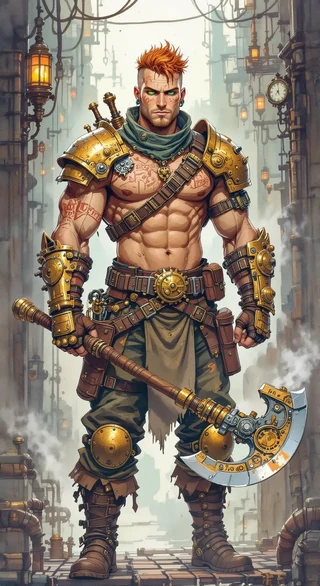
Tip: Each template should be adaptable to fit the pace and style of your group, allowing for quick adjustments based on player choices.
11. Ready-to-run full example: a 30-minute tavern quest
For a practical example of a 30-minute tavern quest, consider “The Rat King’s Hoard.” Here’s how you can structure it for your session:
- Minute 0-5: Introduce the quest. The tavern owner explains that a giant rat has been causing trouble, stealing food and scaring customers.
- Minute 5-15: Players investigate the tavern, interacting with the NPCs: the owner, a drunk patron, and a rival thief who knows more than he lets on.
- Minute 15-25: A confrontation with the rat in the cellar, where players must decide whether to fight or negotiate.
- Minute 25-30: Wrap up. If successful, the tavern owner rewards them, and they gain a clue about a larger threat in the town.
Example: “As you enter the cellar, you hear a rustling noise. The giant rat appears, fierce and hungry. What do you do?” This sets the scene for action while keeping the pacing tight.
Tip: Ensure you have a player handout ready, such as a notice pinned on the tavern wall about the rat problem. This visual cue can enhance immersion and give players a clear goal.
12. Tools, platforms and asset packs (digital & physical)
To streamline your preparation for a tavern quest, using the right tools and asset packs can save you valuable time. Here are some recommended setups:
Physical Setup
- Miniatures: Use physical tokens or miniatures to represent NPCs and enemies. This provides a visual cue for players and enhances engagement.
- Printed Maps: Have a simple tavern layout printed out to help visualize the space.
Hybrid Setup
- Digital Maps: Use platforms like Roll20 for easy sharing of maps and tokens. This allows you to play with friends online while maintaining an interactive environment.
- Asset Packs: Consider using the following curated GM Craft Tavern assets:
- Game Master Toolbox — a broad asset library for instant props.
- 165000 D&D Compatible Battlemaps — fast tavern/village maps for VTT or print.
- 8000 DnD-Compatible Tokens Pack — instant NPC/monster tokens.
Tip: Using these assets can significantly reduce the time spent on visual preparation, allowing you to focus on storytelling and player engagement during your session.
13. Session management & automation for speed
Managing a fast-paced session is crucial, especially when you’re trying to build a tavern quest in 30 minutes. To help keep things running smoothly, there are several tools and techniques you can use. First, consider setting up timers to keep track of each segment of your quest. For instance, if you know you have 30 minutes, you might allocate 5 minutes for the hook, 15 minutes for the main interaction, and 10 minutes for resolution and debrief. Using a phone timer or a simple stopwatch can help you stick to these limits, ensuring that you don’t get too wrapped up in one part of the quest.
Another useful technique is to create cue cards for your NPCs (non-player characters) and essential plot points. These cards can contain key phrases or actions that the NPCs will perform, which can help you maintain the flow of the game without having to remember every detail. For example, if you have a barkeep NPC, your cue card might read: “Barkeep: Friendly, offers a drink special; reacts to players’ inquiries about rumors.” This way, you can quickly refer to it during gameplay without losing momentum.
Tip: Use group initiative shortcuts to streamline combat and social encounters. Instead of rolling initiative (the order of actions in combat) for each individual player, you can roll once for the group and once for the enemies, saving time and keeping the action moving.
14. Improvisation & troubleshooting: 12 player choices and counters
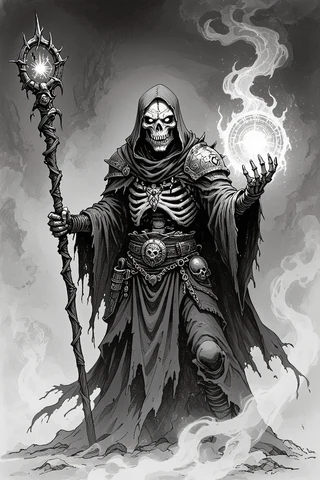
Improvisation is a vital skill for any GM, especially during quick sessions like a 30-minute tavern quest. You’ll often find that players make unexpected choices, and having a set of predetermined responses can help you steer the narrative back on track. For instance, if players ignore the quest hook and start exploring the tavern instead, you might introduce an unexpected complication, like a brawl breaking out. This can draw their attention back to the quest while still allowing them to engage with the environment.
To help you handle various player choices, consider creating a list of common actions and quick counters. Here’s a basic list to start with:
- Ignore hook: Introduce a loud disturbance (e.g., a crashing sound).
- Attack NPC: Have the NPC retaliate or call for guards.
- Split the party: Introduce a time-sensitive element that requires them to regroup.
- Investigate the tavern: Offer them a clue that ties back to the quest.
Warning: Be mindful of the pacing. If players become too distracted by a side encounter, gently remind them of the main quest’s stakes to refocus their attention.
Quick one-liners and pivot strategies
Having a set of one-liners ready can be incredibly useful for quickly pivoting player actions. For example, if a player decides to steal a drink from the bar, you might say, “As you reach for the tankard, the barkeep’s keen eyes catch your movement, and he glares at you.” This not only conveys the consequences of their action but also encourages them to reconsider their choices.
You can develop a bank of these one-liners tailored to different scenarios. For instance:
- If players ignore the quest: “A mysterious figure leans over and whispers, ‘You might want to listen to the barkeep; he knows something you don’t.’”
- If players attack an NPC: “The tavern erupts into chaos as patrons scatter, and the guards rush in to restore order.”
Example: Create a simple reference sheet with these lines so you can quickly draw on them during your session. This way, you can keep the game flowing without needing to think on your feet too much.
15. Scaling knobs: tailoring the same quest to group level
When preparing your tavern quest, it’s essential to consider the group level and adjust the difficulty accordingly. You can use several “scaling knobs” to modify the quest’s challenge based on your party’s size and experience. For instance, if you have a party of three players, you might start with 3-5 minions plus a leader NPC. However, if your party grows to six players, you can increase the number of minions to 6-8 to maintain the challenge.
You can also adjust the stakes of the quest. For example, if the main hook involves retrieving a stolen item, the stakes could be low (a simple reward) or high (the tavern is in danger of being shut down). By modifying these elements, you can create an engaging experience that remains balanced and enjoyable for all players.
Tip: Use a simple table to help you quickly scale encounters. For example, you might create a chart that looks like this:
| Party Size | Minion Count | Boss HP Increase |
|---|---|---|
| 2-3 | 2-3 | +10 HP |
| 4-5 | 4-6 | +20 HP |
| 6+ | 6-8 | +30 HP |
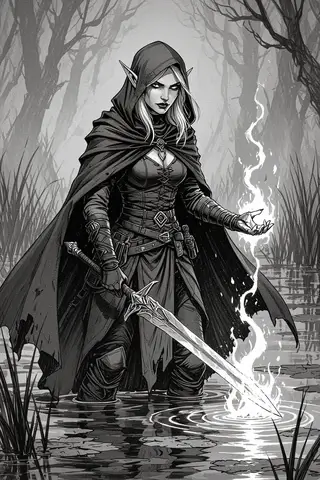
This allows you to quickly reference and adjust the encounter as needed.
16. Reuse & variation: how to make a tavern quest into a hook chain
One of the great advantages of a tavern quest is its potential for reuse and variation. You can easily turn a one-off quest into a series of interconnected hooks that keep your players engaged across multiple sessions. To do this, start by identifying a seed clue that ties into a larger plot. This could be a mysterious item or a recurring NPC who has more to reveal in future sessions.
Next, schedule a follow-up NPC encounter that builds on the initial quest. For instance, if the players discover a hidden letter during their first tavern quest, you can introduce an NPC in the next session who is searching for that letter, creating a sense of continuity. This encourages players to return to the tavern and engage with the evolving storyline.
Tip: Use branching choices to enhance the narrative depth. After the initial quest, give players options for how to proceed based on their choices. For example, they might choose to follow a lead on a rival faction or investigate a new mystery tied to their previous actions.
Faction threads, recurring NPCs, and branching choices
Building on the idea of reusing tavern quests, consider incorporating faction threads and recurring NPCs to create a richer game world. Factions can provide ongoing conflicts or alliances that players can interact with over time. For example, if your players help the local thieves’ guild in one session, you can introduce new quests that involve rival factions seeking to undermine them.
To help manage these connections, create a simple memo for recurring NPCs that updates players on their status and any new developments. This can be as easy as a one-sentence summary that you share at the beginning of each session. For example, “Mira the barkeep is now under pressure from the town guard after the last brawl!” This keeps players engaged and invested in the world you’re building.
Example: Create a branching path for players after their first tavern quest. If they choose to ally with the barkeep, they might find themselves embroiled in a larger conflict with the town guard. Alternatively, if they ignore the barkeep, they could miss out on critical information that could help them later. This way, the choices they make have lasting consequences, encouraging them to think carefully about their actions in future sessions.
Fox’s take
In just 30 minutes, you can build a captivating tavern quest that leaves your players eager for more. By following the structured steps we’ve outlined—choosing a hook, prepping quickly, and utilizing ready-to-run templates—you’ll be well-equipped to deliver an engaging experience. Remember, the goal is to create memorable moments through interactions and challenges. As you gain confidence, feel free to expand on these ideas and make them your own. Now, gather your players, roll those dice, and watch the adventure unfold!
FAQ
How can I prepare a tavern quest in under 10 minutes?
Focus on a simple hook and key NPCs, using a timer for each step.
What if players completely ignore the quest hook?
Introduce a dynamic element like a loud noise to redirect their attention.
How do I scale a 30-minute tavern quest for different party levels?
Adjust enemy numbers and difficulty based on party size and experience.
Which tools help most when you’re short on prep time?
Use D&D Beyond for quick stats and pre-made templates for efficiency.
Can a tavern quest work as a one-shot or campaign hook?
Yes, it can serve as a self-contained story or lead to larger plot arcs.
Continue reading
- How to Build a Balanced D&D Party
Learn how to build a balanced D&D party with practical tips and strategies. - How to use DnD Beyond?
Learn how to use D&D Beyond: step-by-step character builds, campaign management, and VTT integrations like Beyond20 in one practical guide.