
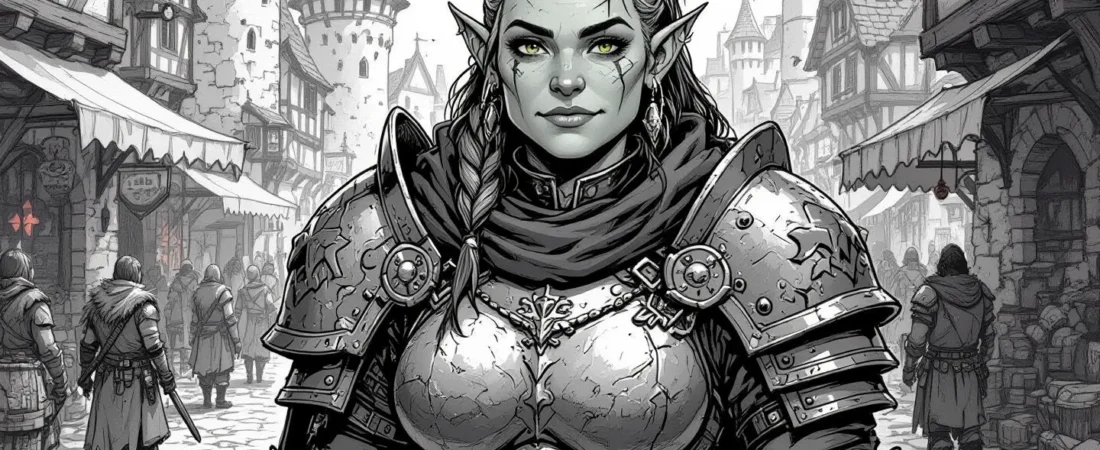
Building a balanced D&D party can feel like a daunting task, especially when you’re trying to juggle different roles and player preferences. You want everyone to shine and contribute to the adventure, but how do you ensure that no one is left out? In this guide, I’ll walk you through practical steps on how to build a balanced D&D party, covering essential party roles, composition strategies, and tips for maintaining synergy. Whether you’re a new Dungeon Master or a player looking to enhance your group dynamics, I’ve got you covered.
What you’ll learn in this article
- 🎲1Understand essential party roles and their importance in D&D.
- ✅2Explore party size and composition strategies for balance.
- 🔎3Learn how to scale encounters based on party size.
- 🧙4♂️ Discover core archetypes and creative substitutions for roles.
- 🎭5Map skill coverage to ensure diverse skill sets.
- ⚔6️ Get tips for balancing combat action economy and damage benchmarks.
- 💬3Find ways to maintain social and roleplay balance in your party.
- 🛠4️ Utilize tools and platforms like Roll20 and Foundry for effective management.
- 📊5Access resources and automation tips to streamline gameplay.
- 🔄6Troubleshoot common party balance problems with actionable solutions.
- 🎲7Character creation, multiclassing, and progression planning
- 🎲8Party synergy and combo examples
- 🎲9Short procedures (3–6 steps) for common tasks
- 🎲10Tools, platforms and session automation
- 🎲11Resources & complementary tools (with exact URLs where used)
- 🎲12Troubleshooting common party-balance problems
- 🎲13Examples and real-session notes a GM can use
- 🎲14Quick reference: one-page party checklist for GMs
1. Understanding party roles and why balance matters
In Dungeons & Dragons (D&D), having a balanced party is crucial for a fun and engaging experience. Each character typically falls into specific roles: Tank (who absorbs damage), Healer/Support (who restores health and provides buffs), Damage/Striker (who deals damage), Utility/Explorer (who helps navigate the world), and Face/Skill Monkey (who excels in social interactions and skills). When players understand these roles and the importance of balance, it allows for smoother gameplay and enhances storytelling possibilities. For instance, if your party lacks a Healer, you might find yourselves running out of resources far too quickly, leading to frustrating encounters.
Tip: Consider running a Session 0 where you discuss player preferences and comfort levels with role flexibility. This can help you map out who will fill which role and address any concerns about overlapping responsibilities.
1.1 Role definitions: Tank, Damage, Controller, Support, Utility, Skill Monkey
Understanding the definitions of party roles helps players make informed choices during character creation. Here’s a quick breakdown:
- Tank: The character that absorbs damage and protects others, often having high Armor Class (AC) and Hit Points (HP). Examples include Barbarians and Fighters.
- Damage/Striker: Specializes in dealing damage, aiming to eliminate threats quickly. Examples include Rogues and Wizards.
- Controller: Manipulates the battlefield, often using spells to hinder enemies or protect allies. Examples include Sorcerers and Druids.
- Support/Healer: Provides healing and buffs to the party, ensuring they can continue fighting. Examples include Clerics and Bards.
- Utility/Explorer: Offers skills that help the party navigate challenges, such as detecting traps or solving puzzles. Examples include Rangers and Rogues.
- Skill Monkey: Focuses on skills and social interactions, often serving as the face of the party. Examples include Bards and Rogues.
Example: In a party of four, having a Tank, a Damage dealer, a Support character, and a Skill Monkey can create a balanced group that covers most challenges they may face.
1.2 Why mechanical balance improves fun and story
Mechanical balance in a D&D party is vital for ensuring that encounters are engaging and challenging without being overwhelming. When the party has a good mix of roles, it allows for predictable outcomes in combat and exploration. For instance, if you have a dedicated Tank, they can draw enemy fire while the Damage dealer takes out threats from a distance. This structure not only improves pacing but also reduces the likelihood of dead stops during gameplay, where players feel stuck or uncertain about their next move.
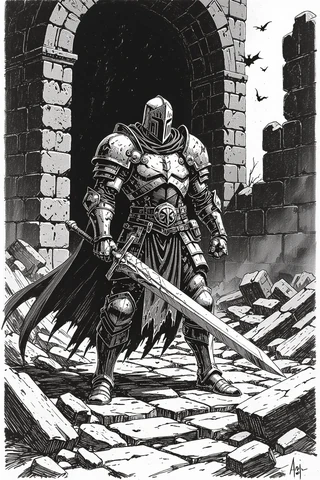
Warning: Failing to establish mechanical balance can lead to frustration, as players may feel their contributions are either overshadowed or unnecessary. A party that lacks a healer might find themselves in dire situations, while a party without a Tank could struggle to survive encounters.
2. Deciding on party size and composition
When forming a D&D party, deciding on the ideal size and composition is crucial for maintaining balance. Generally, a party of 3 to 5 players is considered optimal, with 4 being the sweet spot. A smaller party can be tighter and more efficient, but it may struggle with versatility. Conversely, larger parties can become unwieldy, leading to action-economy issues where too many players dilute the focus of the game.
Tip: For parties of 3, consider adding a hireling or a familiar to fill gaps, while parties of 5 or more can benefit from rotating spotlight moments to keep everyone engaged.
2.1 Ideal party sizes and trade-offs (3–6 players)
Here’s a quick reference for ideal party sizes and their trade-offs:
3 Players
: Efficient but risky; requires players to take on hybrid roles. Consider providing a hireling to cover any gaps.
4 Players
: Balanced; ideal for most encounters. Each player can specialize in their role without overlap.
5 Players
: Redundancy can be beneficial, but be cautious of action economy bloat. Rotate spotlight moments to keep everyone engaged.
6 Players
: Can be fun but may slow down gameplay. Use subgroup leaders or staggered encounters to maintain pace.
Example: If you’re running a campaign focused on exploration, prioritize Utility roles to navigate challenges effectively. Conversely, in a political campaign, having a strong Face or Support character can help with social interactions.
2.2 How to scale encounters and treasure by party size
Scaling encounters and treasure based on party size is essential for maintaining balance in gameplay. Start by using the party’s Damage Per Round (DPR) to estimate lethal thresholds. A simple formula is to take your base experience budget and adjust it according to your party size. For instance, if your base budget allows for a challenge for four players, modify it based on how many are present.
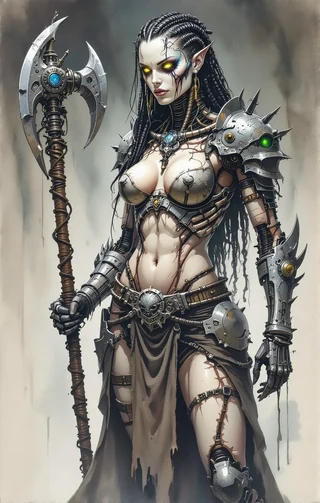
Tip: Use Kobold Fight Club (https://koboldplus.club) for XP budgeting and encounter building. This tool can help you quickly adjust enemy stats to fit your party’s size and composition.
3. Core archetypes and substitutions
When building a balanced D&D party, understanding core archetypes and how to substitute roles creatively can enhance your gameplay experience. The standard archetypes—Tank, Healer, Damage/Striker, Utility/Explorer, and Skill Monkey—serve as a foundation for party composition. However, players can also explore non-standard archetypes to fill gaps or create unique builds that suit their play style.
Example: If your party lacks a dedicated healer, consider substituting with a multiclass character, such as a Bard with a few levels in Cleric. This combination can provide essential healing capabilities while still allowing the player to engage in their preferred role.
3.1 Core archetype matrix with examples
| Archetype | Class Examples | Theme Fit | Experience Friendliness |
|---|---|---|---|
| Tank | Barbarian, Fighter | Dungeon Crawl, Combat Heavy | Novice to Advanced |
| Healer | Cleric, Druid | Exploration, Support | Novice to Advanced |
| Damage/Striker | Rogue, Wizard | Combat Heavy, Stealth | Novice to Advanced |
| Utility | Ranger, Bard | Exploration, Roleplay | Novice to Advanced |
| Skill Monkey | Bard, Rogue | Social, Intrigue | Novice to Advanced |
Tip: Encourage players to consider their campaign’s theme when selecting archetypes. A party tailored to the campaign’s focus can enhance both mechanics and storytelling.
3.2 How to substitute roles with creative builds
Substituting roles with creative builds can help fill gaps in your party while still maintaining balance. One way to do this is through multiclassing—taking levels in another class to gain additional abilities. For example, a Fighter who takes a few levels in Rogue can gain access to Sneak Attack, enhancing their damage output while still serving as a frontliner.
Example: If your party lacks a dedicated Tank, a Druid using the Circle of the Moon can transform into powerful animals, effectively acting as a melee Tank while still providing utility with spells.
4. Skill coverage and exploration balance
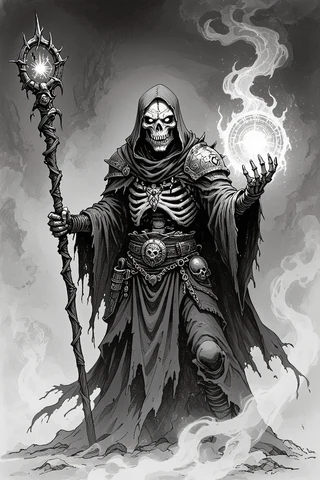
Skill coverage is vital for a well-rounded D&D party. Each character should ideally cover a range of skills, ensuring that the group can handle various challenges. Skills can be grouped into categories such as Physical (athletics, acrobatics), Mental (arcana, history), Sensory (perception, insight), and Survival (survival, nature). It’s recommended to have 1-2 experts in each cluster for optimal coverage.
Example: In a party of four, you might have a Rogue covering stealth and investigation, a Cleric handling insight and medicine, a Ranger focusing on survival and nature, and a Wizard covering arcana and history. This diverse skill set allows the party to approach problems from multiple angles.
4.1 Mapping skill clusters to players (who covers what)
To effectively map skill clusters to players, consider the strengths of each character and how they can complement one another. For example, if Player A is a Rogue with high Dexterity, they can cover Physical skills, while Player B, a Cleric, can focus on Mental and Healing skills. This distribution ensures that all bases are covered.
Tip: Create a simple matrix during Session 0 where each player lists their character’s primary skills. This can help identify overlaps and gaps, allowing for a more balanced skill set.
4.2 Minimal skill coverage: numeric targets and redundancy
When addressing minimal skill coverage, aim for a party composition that ensures at least 3 experts in critical skills, such as Perception and Investigation. This can help safeguard against failures in crucial moments. Establish numeric targets for proficiency; for example, each character should strive for a +7 or higher in their primary skill checks by level 5.
Example: If your party lacks a character proficient in Perception, you might consider granting a temporary boost through consumables like potions or magic items that enhance skill checks.
5. Combat balance: action economy and damage benchmarks
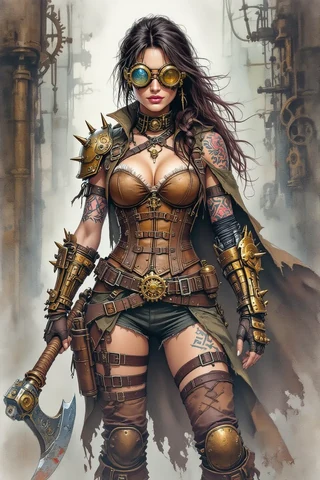
Balancing combat in D&D requires a keen understanding of action economy, which refers to the number of actions available to players versus enemies during a combat encounter. By ensuring that the number of actions is relatively equal, you can create a fair and engaging experience. A general guideline is to match enemy actions to the players’ actions, using a mix of minions and a boss creature to keep the action flowing smoothly.
Tip: Consider using a simple formula for enemy composition: “Party actions = N; pick 1 boss + (N–1) minions or N/2 elites.” This formula helps you maintain balance in encounters by ensuring that enemy numbers are proportional to the party size.
5.1 Measuring action economy: who acts when
Measuring action economy involves understanding the components of turns, including actions, bonus actions, and reactions. Keeping track of who acts when is crucial for maintaining balance during combat. A practical way to do this is by using initiative tracking tools or macros on your VTT.
Tip: Implement initiative macros that post role reminders for each character, ensuring everyone remembers their responsibilities during combat. This can help streamline the flow of play and prevent confusion.
5.2 Damage output expectations by tier and level
Establishing damage output expectations by tier and level is essential for creating balanced encounters. For example, you might set expected DPR bands for a level 5 party as follows: low (30), expected (50), and high (80). These bands provide a quick reference for DMs to gauge whether their encounters are appropriately challenging and helps you adjust enemy HP and tactics accordingly.
Tip: Use effective damage as a more comprehensive metric than raw DPR alone. This includes damage dealt, control effects, and debuffs that can influence the outcome of encounters.
6. Social and roleplay balance
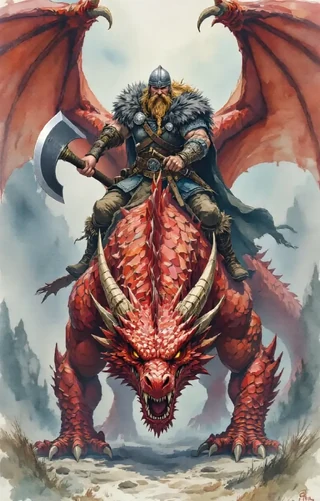
In D&D, social interactions and roleplay are just as crucial as combat. A balanced party should include characters that can effectively engage in social situations, especially if your campaign features significant non-combat encounters. Aim for at least two Charisma-focused characters (those who excel in social skills) to ensure that the party can navigate social challenges successfully.
To facilitate this balance, you might consider quantitative metrics for social interactions. For example, ensure that at least one character has a Persuasion or Deception score of +7 by level 5, with a backup character maintaining a score of +4. When a character who typically leads social interactions is absent, adjust the difficulty of social encounters. Lowering the DC (Difficulty Class) by 2 or introducing an NPC ally who can assist can help maintain the party’s effectiveness during these moments.
7. Character creation, multiclassing, and progression planning
Creating characters that fit well within a balanced D&D party involves careful planning and consideration of roles. Start by mapping out character concepts, identifying primary roles, and ensuring that the party covers essential archetypes like tank, healer, and damage dealer. For novice players, it may be beneficial to recommend single-class characters to simplify their experience. More experienced players can explore multiclassing (taking levels in more than one class) but should do so conservatively—typically, a dip of 1 to 3 levels can fill gaps without compromising overall role clarity.
As players progress through the campaign, it’s essential to have milestone checkpoints to reassess character roles and gear. For example, at levels 3, 6, and 8, you might hold discussions to evaluate whether the party’s composition still meets the campaign’s needs. This can help prevent role drift, where a character’s focus shifts away from their intended role and affects party balance.
8. Party synergy and combo examples
Party synergy refers to how well the different characters in your D&D party work together to maximize their effectiveness in combat and social situations. To illustrate this, let’s consider six sample party compositions, each designed for specific campaign styles. For instance, a classic composition might include a Fighter (tank), Cleric (healer), Wizard (damage dealer), and Rogue (utility). Each character fills a vital role, allowing them to support one another effectively.
To enhance synergy, you can create tactical combos that leverage the strengths of your characters. For example, a tank can hold the front line while the Wizard casts area-of-effect spells behind them. Additionally, consider introducing unique synergies involving non-standard archetypes, such as a Bard who acts as both a controller and a support character, using spells to manipulate the battlefield while providing buffs to allies. These combinations not only make combat more dynamic but also enrich the storytelling experience.
9. Short procedures (3–6 steps) for common tasks
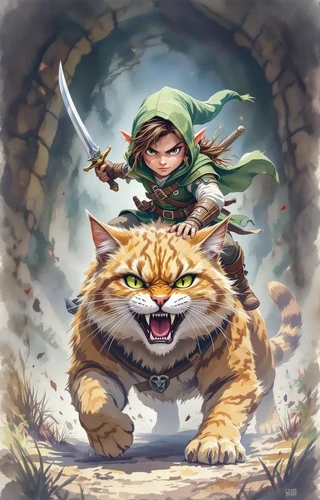
When it comes to balancing your D&D party, having a quick procedure to follow can streamline the process. Here’s a simple five-step method for designing an encounter tailored to your party’s balance:
- Calculate DPR (Damage Per Round): Assess the expected DPR of your party based on their level and composition.
- Select Enemies: Choose enemies that match the expected DPR of the party. Consider the action economy to ensure a fair challenge.
- Add Terrain: Incorporate environmental factors that can affect combat, such as obstacles or advantageous high ground.
- Include Environmental Interactions: Think about how the environment can influence the battle, like hazards or cover.
- Test/Adjust: Run a mock encounter or review your setup to ensure it feels balanced, adjusting enemy HP or tactics as necessary.
By following these steps, you can create encounters that engage your players and provide a balanced challenge, ensuring a fun and dynamic gameplay experience.
10. Tools, platforms and session automation
When it comes to building a balanced D&D party, leveraging the right tools can streamline your game planning and enhance your sessions. Virtual Tabletop (VTT) platforms like Roll20 and Foundry allow you to create immersive environments while tracking character stats and actions easily. D&D Beyond is another excellent resource for character building and managing campaigns. For a more lightweight option, OwlBear Rodeo provides a simple interface for quick setups. These tools not only facilitate gameplay but also help you monitor party balance in real-time.
To effectively utilize these tools, I recommend setting up a shared party matrix on Google Sheets. This matrix should include columns for each character’s role, skills, damage per round (DPR), and available healing. This structure allows you to visually track who covers what role and identify any gaps in your party composition. For example, if you notice that no one has healing capabilities, you can quickly address it by suggesting that a player consider a healing class or multiclassing into a support role.
10.1 Recommended VTTs, character builders and party planning sheets
Here are some recommended tools and how they can assist you in managing your D&D party:
- D&D Beyond: D&D Beyond is a comprehensive character builder and campaign management tool that allows you to create, share, and track characters effortlessly. It’s ideal for new players who are learning the ropes of D&D.
- Roll20: Roll20 is a popular VTT that offers a wide range of features for gameplay, including dynamic lighting, character sheets, and integrated maps. It’s particularly useful for running remote sessions and helps keep track of initiative and roles.
- OwlBear Rodeo: This tool is great for quick setups and light VTT use. It offers a straightforward interface without overwhelming features, making it perfect for beginners or casual play.
To maximize the effectiveness of these tools, consider creating a party planning sheet that includes roles, skills, and damage metrics. This simple approach can help you visualize party balance and make adjustments on the fly. For example, if you see that your party lacks a dedicated healer, you can suggest a character build that includes healing spells or items.
Warning: Always ensure that your players have access to the tools you choose. If some players are unfamiliar with a specific VTT, it might slow down your sessions as they learn the interface.
10.2 Automation tips: encounter calculators, initiative trackers
Automation can significantly reduce the cognitive load during your D&D sessions, allowing you to focus on storytelling and engagement. Using encounter calculators, such as Kobold Fight Club, helps you design balanced encounters based on your party’s composition and expected damage output. Additionally, initiative trackers can streamline combat by automatically organizing turn orders, which keeps the game flowing smoothly.
Here are a few automation tips you can implement:
- Initiative Macros: Use macros in your chosen VTT to automatically post initiative rolls and remind players of their roles. For example, you could set a macro that posts something like, “Player A, you are the Tank. Your initiative is 15. What would you like to do?”
- Encounter Templates: Create templates that pull in data from your party matrix, allowing you to quickly adjust enemy stats based on the number of players. This can help you maintain balance during combat encounters.
- Healing Trackers: Implement a healing tracker that is tied to short-rest counters. This way, you can easily monitor how many healing spells or potions are available to your party, ensuring they remain viable throughout the session.
Example: If you have a player who frequently forgets their role in combat, setting up an initiative macro that reminds them can help keep everyone engaged and aware of their responsibilities.
11. Resources & complementary tools (with exact URLs where used)
Having the right resources at your fingertips can make all the difference in running a balanced D&D party. Here are some essential tools and where to find them:
- Game Master Toolbox: Game Master Toolbox — This massive asset pack is perfect for fast map and token swaps, offering a variety of resources to enhance your sessions.
- 200,000 Battlemaps: 200,000 Battlemaps — This collection provides quick terrain options that can exploit party weaknesses and add depth to your encounters.
- 3000 D&D Spell Cards Bundle: 3000 D&D Spell Cards Bundle — These physical or printable cards are a great support for players who struggle with in-spell recall.
- 8000 D&D-compatible tokens pack: 8000 D&D-compatible tokens pack — This pack offers a variety of tokens for role-tagging on VTTs, helping you visualize party roles during gameplay.
Using these resources can save you time and enhance the overall experience for your players. For instance, having a variety of battlemaps ready can allow you to adapt quickly to your players’ choices and maintain engagement.
Tip: Always check the compatibility of your resources with the platforms you’re using. This ensures a smooth integration during your sessions.
12. Troubleshooting common party-balance problems
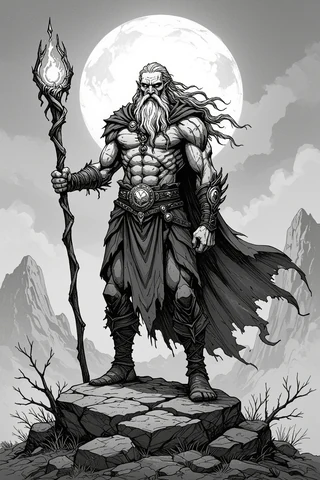
Party balance problems can arise unexpectedly, but with a structured approach, you can quickly address these issues. Here are some common problems and how to fix them:
- No Healer: If your party lacks healing capabilities, consider hiring an NPC cleric or using potions to bridge the gap. This can keep your party alive during tough encounters. Expected outcome: Your party survives at least one extra fight.
- Skill Gaps: If you notice that certain essential skills are missing (like Perception or Stealth), you can encourage players to utilize tools or consumables to cover these gaps. For example, if no one has high Perception, consider providing guidance or tools that assist in those checks. Expected outcome: Improved chances of success on critical checks.
- Action Economy Issues: If it seems like the enemies are overwhelming your party, adjust their tactics. For instance, reduce enemy hit points by 20% for each missing player, or simplify enemy actions to match your party’s capabilities. Expected outcome: Combat feels more balanced, allowing everyone to contribute without feeling overwhelmed.
Example: If your party has only three players and is facing a group of five enemies, you might reduce the enemies’ hit points and give them less complex tactics, ensuring the game remains enjoyable and balanced.
13. Examples and real-session notes a GM can use
Having ready-made scripts and examples can streamline your sessions and help manage expectations effectively. Here are three practical scripts you can incorporate into your sessions:
- Session 0 Role Assignment Script: “Let’s take a moment to discuss what roles each of you prefers to play. Who feels comfortable being the Tank, Healer, or Damage dealer? If there’s any overlap, we can work together to assign backup responsibilities.”
- New Player Onboarding Scene: “Welcome to the game! You’ll be joining a party that’s already established, but we’ll ensure you’re introduced smoothly. For your first session, let’s keep things simple and focus on getting you comfortable with your character and the group’s dynamics.”
- End-of-Session Poll: “Before we wrap up, I’d love to hear your thoughts on tonight’s session. What did you enjoy? Is there anything we can adjust for next time? Please share one thing you liked and one thing we can improve.”
Tip: Using these scripts can help normalize conversations about roles and expectations, making it easier for everyone to feel included and engaged.
14. Quick reference: one-page party checklist for GMs
To ensure your party is balanced before each session, having a quick reference sheet can be invaluable. Here’s a simple layout you can use:
- Party Matrix Template:
- Role: Tank, Healer, Damage, etc.
- Skills: Key skills each character covers.
- DPR: Damage per round metrics.
- Heals Available: Total healing capabilities.
- Pre-Session Checks:
- Verify that each role is covered by at least one player.
- Ensure that necessary skills are represented.
- Check that the party has appropriate healing resources.
- Go/No-Go Rule: If more than three critical gaps remain in your party composition, consider adjusting the session or addressing the gaps before proceeding.
Example: If you notice that your party is lacking a healer and a key skill like Stealth, you might delay the session to allow players to adjust their characters or hire an NPC to fill those gaps.
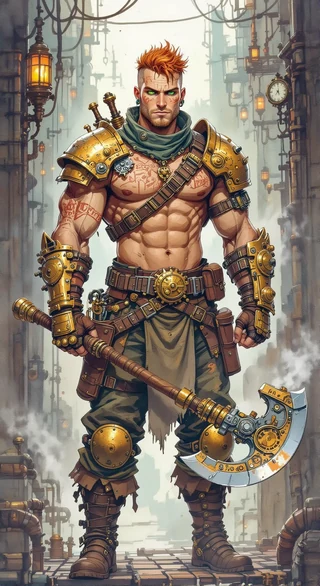
Tip: Having this one-page reference can save you time and help you maintain a balanced game, ensuring everyone has a role and can contribute meaningfully.
Fox’s take
In conclusion, crafting a balanced D&D party is about more than just filling roles; it’s about fostering a collaborative environment where every player feels valued. By understanding party composition, scaling encounters, and utilizing the right tools, you can create a dynamic gameplay experience that keeps everyone engaged. So, gather your friends, discuss your character choices, and remember to revisit your party balance as your campaign progresses. Happy adventuring, and may your dice roll true!
FAQ
What are the essential roles in a balanced D&D party?
Essential roles include Tank, Healer, Damage dealer, Utility, and Skill Monkey.
How can one character fill multiple roles?
A character can overlap roles, like a Cleric who also excels in social interactions.
What tools help balance combat difficulty?
Use tools like Kobold Fight Club to adjust enemy stats based on party composition.
How many skill experts should a party have?
Aim for 1-2 experts in critical skills like Perception and Medicine.
Is multiclassing effective for covering roles?
Yes, multiclassing can fill gaps, but ensure it doesn’t compromise primary roles.
What are quick fixes for an outshone player?
Rotate spotlight moments and adjust encounter difficulty to engage all players.
How do I scale encounters for party size?
Adjust enemy HP and tactics based on the number of players in the party.
Continue reading
- How to use DnD Beyond?
Learn how to use D&D Beyond: step-by-step character builds, campaign management, and VTT integrations like Beyond20 in one practical guide. - How to play DnD on Discord?
Learn how to play DnD on Discord with step-by-step setup and best practices.