
What you’ll learn in this article
- 🎲1Discover the best races and classes for beginners in DnD to help you start your adventure.
- ✅2Learn how to choose a race and class based on your preferred playstyle and role.
- 🔎3Explore beginner-friendly race-class combinations that simplify decision-making.
- 🧙4♂️ Get practical examples of Level 1 builds for various character types.
- 🎉5Understand the combat basics and tactics for your chosen beginner builds.
- 🛠6️ Find tools and platforms like D&D Beyond, Roll20, and Foundry VTT to enhance your gameplay.
- 📚7Access resources and complementary tools to support your DnD journey.
- ❓8Get answers to frequently asked questions that new players often have.
- 🚀11Discover next steps for advancing your character and exploring deeper gameplay mechanics.
- 🎲12Automation & character-building tools
- 🎲13Session & campaign management tips for new players
- 🎲14Resources & complementary tools (with direct URLs)
- 🎲15Frequently Asked Questions (beginner-focused)
- 🎲16Further reading & next steps (brief signposts to advanced topics)
Starting your journey in Dungeons & Dragons (DnD) can feel overwhelming, especially when it comes to choosing the best races and classes for beginners. With so many options available, it’s easy to get lost in the details. That’s why I’m here to guide you through the process, helping you find the right fit for your playstyle and ensuring your first sessions are enjoyable and engaging.
Whether you’re looking for straightforward builds or want to understand how race and class impact gameplay, I’ve got you covered!
1. Choose your first race: quick, actionable guide
Choosing your first race in Dungeons & Dragons (DnD) can significantly impact your gameplay experience. Races not only provide unique traits but also offer ability score increases that can enhance your character’s effectiveness in various roles. For instance, a dwarf might provide a boost to Constitution, making them tougher and able to withstand more damage, while an elf may boost Dexterity, enhancing their agility and skill in ranged attacks. As a beginner, it’s often best to stick with the races outlined in the Player’s Handbook (PHB) to keep things straightforward.
How race affects play (ability boosts, traits, roleplay)
Races in DnD come with specific benefits that can affect your character’s performance and roleplay. For example, some races grant abilities like darkvision (the ability to see in low-light conditions), which can be crucial for scouting during nighttime adventures. Others might provide resistances or unique traits that can enhance your character’s story. The choice of race can also influence how you roleplay your character, as each race has its own lore and cultural background.
Here’s a quick summary of how different traits can impact gameplay:
| Trait | Gameplay Outcome |
|---|---|
| Darkvision | Better scouting in darkness |
| Resistance | Increased survivability against specific damage types |
| Ability Score Boosts | Enhances primary stats for class synergy |
Tip: When selecting a race, consider both the mechanical benefits and how the race’s lore might inspire your roleplay.
4-step method to pick a race
To streamline your decision on which race to choose, follow this simple four-step process:
- Identify Your Playstyle: Think about how you want to play. Do you prefer being in the thick of battle, sneaking around, or casting spells?
- Match Stats to Class: Look at the primary stats your desired class needs. For example, if you want to play a Fighter, consider races that boost Strength or Constitution.
- Check PHB Traits: Review the traits of potential races and how they align with your gameplay style.
- Test Synergy: Think about how the race’s unique abilities can complement your class’s abilities.
By following these steps, you can quickly narrow down your options and find a race that fits your desired playstyle and class.
2. Choose your first class: what matters for beginners
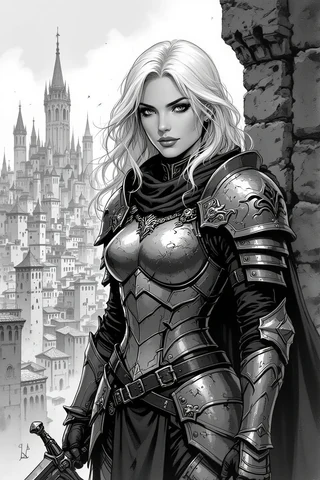
Choosing your first class is just as crucial as selecting your race. Classes define your character’s role in the party, their hit dice (which determine their health), proficiencies (skills they excel in), and whether they use spells. For beginners, it’s often best to choose classes from the PHB that are straightforward and easy to understand. Classes like Fighter and Cleric offer clear roles and simpler mechanics compared to more complex spellcasters.
Comparing complexity: spellcasters vs. martial classes
When deciding on a class, one of the key considerations is complexity. Martial classes, like Fighters and Barbarians, often focus on straightforward combat mechanics—positioning, attacks, and using items. In contrast, spellcasters, like Wizards and Sorcerers, require managing spells, tracking spell slots (the number of spells you can cast before resting), and possibly maintaining concentration (focusing on a spell while casting others).
If you’re a beginner, you might want to start with a martial class, as they often require less bookkeeping and allow you to focus on combat tactics. However, if you are drawn to the idea of casting spells, consider starting with simpler spellcasters like the Cleric or Bard, which have straightforward mechanics and supportive roles in combat.
Tip: Consider how much complexity you’re comfortable with. If you’re unsure, starting with a martial class can help you learn the game without overwhelming you.
5-step process to pick a beginner-friendly class
To help you select a class that suits your needs as a beginner, follow this five-step process:
- Decide Your Role: Determine if you want to be a frontline fighter, a support character, or a sneaky rogue.
- Review Hit Dice: Look at how much health you gain per level. Classes like Fighters roll a d10, making them tougher than a Wizard, who rolls a d6.
- Check Proficiencies: Identify what skills or weapons your class is proficient in and how these align with your desired playstyle.
- Consider Spells: If you’re leaning toward a spellcaster, check what spells are available and how they fit into your gameplay concept.
- Mentally Play a Turn: Visualize how you would act in a typical combat scenario with that class. This can help clarify if the class feels right for you.
By following these steps, you can make a well-informed decision on which class to start with, ensuring a more enjoyable experience in your DnD adventures.
3. Recommended beginner races (top picks and why)
As a new player, you want to choose races that are not only mechanically beneficial but also offer flexibility for roleplay. Here are some top picks for beginner races:
- Human Variant: Offers a +1 to two ability scores of your choice and a feat at level 1, making this race versatile and customizable.
- Hill Dwarf: Provides a +2 to Constitution and +1 to Wisdom, along with Dwarven Resilience, which gives advantage on saving throws against poison. This makes them hardy and great for survivability.
- Lightfoot Halfling: With a +2 to Dexterity and +1 to Charisma, they are naturally stealthy and can reroll a 1 on a d20 due to their Lucky trait, making them great for Rogues.
- Half-Elf: Offers a +2 to Charisma and +1 to two other ability scores of your choice, making them adaptable for various classes, especially Bards and Sorcerers.
- Forest Gnome: Provides a +2 to Intelligence and +1 to Dexterity, with unique traits like the ability to speak with small beasts, enhancing roleplay opportunities.
Tip: Choose a race that not only fits your desired class but also inspires you in terms of storytelling and character development.
Human Variant, Hill Dwarf, Lightfoot Halfling, Half-Elf, and Forest Gnome summaries
| Race | Class Pairings | Key Traits | Suggested Primary Stat Focus |
|---|---|---|---|
| Human Variant | Any | +1 to two stats, a feat | Flexible |
| Hill Dwarf | Cleric, Fighter | +2 Con, +1 Wis, Dwarven Resilience | Constitution |
| Lightfoot Halfling | Rogue, Bard | +2 Dex, +1 Cha, Lucky | Dexterity |
| Half-Elf | Bard, Sorcerer | +2 Cha, +1 to two stats | Charisma |
| Forest Gnome | Wizard, Ranger | +2 Int, +1 Dex, speak with beasts | Intelligence |

By selecting one of these races, you set yourself up for a smoother initial experience in DnD, allowing you to focus on learning the game without getting bogged down in complex mechanics.
4. Recommended beginner classes (top picks and why)
When selecting a class, it’s essential to consider how each class aligns with your preferred playstyle and the role you want to play in your group. Here are some recommended beginner classes:
- Fighter: A straightforward martial class that excels in combat. They have high hit points and can choose from various fighting styles, making them adaptable for different scenarios.
- Cleric: A versatile class that can heal and support teammates while also dealing damage. They have access to a wide range of spells, making them valuable in various situations.
- Rogue: Known for their stealth and cunning, Rogues excel in dealing damage through Sneak Attacks and are proficient in various skills, making them great for exploration and roleplay.
- Paladin: A hybrid class that combines martial prowess with divine magic. They are durable and have access to healing spells, making them effective in both combat and support roles.
- Bard: A charismatic class that uses music and magic to inspire allies and manipulate enemies. They have access to spells and skills, making them versatile in both combat and social situations.
Tip: Choose a class that resonates with your preferred playstyle. If you enjoy being in the action, consider a Fighter or Paladin. If you prefer to support your team, a Cleric or Bard may be a better fit.
Fighter, Cleric, Rogue, Paladin, and Bard: pros/cons for new players
| Class | Pros | Cons |
|---|---|---|
| Fighter | High survivability, simple mechanics | Limited spell options |
| Cleric | Versatile, can heal and deal damage | Resource management complexity |
| Rogue | High damage potential, skill versatility | Can be fragile in combat |
| Paladin | Durable, combines combat and magic | Spellcasting can be complex |
| Bard | Very versatile, supports team well | Resource management and roleplay depth |
By starting with one of these classes, you’ll find a balance between simplicity and engagement, allowing you to enjoy the game while learning its mechanics.
5. Best race-class combos for absolute beginners
Now that you have an idea of which races and classes are beginner-friendly, let’s look at some effective race-class combinations that can help you hit the ground running in DnD. These combos prioritize synergy between race traits and class abilities, reducing decision fatigue for new players.
| Race | Class | Why it’s beginner-friendly | Suggested Starting Stats | Key First-Level Choices |
|---|---|---|---|---|
| Human Variant | Fighter | Versatile with a feat; great for any playstyle | +1 Str, +1 Con | Choose a fighting style |
| Hill Dwarf | Cleric | Durable healer with strong support options | +2 Con, +1 Wis | Choose Life Domain |
| Lightfoot Halfling | Rogue | Sneaky with Lucky trait for rerolls | +2 Dex, +1 Cha | Stealth and Acrobatics skills |
| Half-Elf | Bard | Social and magical; adaptable with bonus to Charisma | +2 Cha, +1 to two stats | Spells like Healing Word |
| Forest Gnome | Wizard | Smart and stealthy; great for spellcasting | +2 Int, +1 Dex | Choose utility spells |
Tip: These combos are designed to minimize complexity and maximize enjoyment for beginners, allowing you to focus on learning the game mechanics without feeling overwhelmed.
Why these combos reduce decision fatigue
These combinations are effective because they align primary stats and traits while minimizing the need for extensive resource management. For example, a Human Variant Fighter can easily adapt to various combat situations with their flexible ability score boosts, while a Hill Dwarf Cleric’s natural durability makes them a reliable choice for any party.
By choosing one of these combinations, you can quickly understand how your race and class work together, allowing you to focus more on the story and roleplaying aspects of DnD rather than getting bogged down in complex mechanics.
6. Example Level 1 builds (3–6 complete examples)

To give you a clearer picture of how to create a character, here are some example Level 1 builds. These builds are specifically designed for beginners to showcase how to allocate stats, choose skills, and plan actions.
Build A — Human Variant Fighter (tank/frontline) with stats & first-turn plan
- Race: Human Variant
- Class: Fighter
- Stats: Strength 16 (+1), Constitution 15 (+1), Dexterity 12, Intelligence 10, Wisdom 10, Charisma 8
- HP: 10 (1d10 + 1)
- AC: 18 (heavy armor + shield)
- Skills: Athletics, Intimidation
- Equipment: Longsword, shield, heavy armor
- First-Turn Plan: Move into a frontline position, use an attack action on the nearest enemy, and utilize Second Wind if below half HP.
Build B — Hill Dwarf Cleric (healer/support) with domain pick & cantrips
- Race: Hill Dwarf
- Class: Cleric
- Stats: Wisdom 16 (+1), Constitution 15 (+2), Strength 12, Dexterity 10, Intelligence 8, Charisma 10
- HP: 10 (1d8 + 2)
- AC: 18 (heavy armor)
- Skills: Medicine, Religion
- Spells: Cure Wounds, Bless; Cantrips: Guidance, Sacred Flame
- First-Turn Plan: Cast Bless on the party before engaging in combat to enhance attack rolls.
Build C — Lightfoot Halfling Rogue (skill monkey) with roguish tactics
- Race: Lightfoot Halfling
- Class: Rogue
- Stats: Dexterity 16 (+2), Charisma 14 (+1), Constitution 12, Strength 10, Intelligence 10, Wisdom 8
- HP: 8 (1d8)
- AC: 14 (leather armor)
- Skills: Stealth, Acrobatics
- Equipment: Rapier, shortbow
- First-Turn Plan: Use the Hide action as a bonus action, then attack with Sneak Attack on an enemy.
Build D — Half-Elf Bard (social & magical) with spells & inspiration use
- Race: Half-Elf
- Class: Bard
- Stats: Charisma 16 (+2), Dexterity 14 (+1), Constitution 12, Strength 10, Intelligence 10, Wisdom 8
- HP: 8 (1d8)
- AC: 13 (leather armor)
- Skills: Performance, Persuasion
- Spells: Vicious Mockery; Cantrips: Dancing Lights
- First-Turn Plan: Use Bardic Inspiration on the Fighter and cast a utility spell to support the party.
By following these builds, you can easily create a character ready for your first DnD session, equipped with a solid understanding of their mechanics and tactical roles.
7. Combat basics for chosen beginner builds
Understanding combat basics is essential for new players, especially when using beginner builds like the Fighter, Cleric, Rogue, and Bard. Combat in Dungeons & Dragons operates on a turn-based system, where players and enemies take turns to perform actions. Each turn consists of movement, an action (like attacking or casting a spell), and potentially a bonus action. Positioning is crucial; you’ll want to place your character in a way that maximizes their strengths and minimizes risk.
When it comes to combat, it’s important to remember the action economy. Each character has one action, one bonus action (if applicable), and one movement per turn. For example, a Fighter may choose to move to engage an enemy, use their action to attack, and then use a bonus action to second wind if they are low on health. This tactical positioning not only keeps you safe but also protects your teammates, allowing them to deal damage while you absorb hits.
Warning: Always keep an eye on your hit points (HP) and be aware of your surroundings. Positioning can make a huge difference, especially when facing multiple enemies.
First-turn tactics (positioning, bonus actions, spellcasting) in 4 steps
- Move to Position: Assess the battlefield and choose a strategic location that maximizes your strengths. For example, if you’re a Fighter, position yourself near enemies to engage them directly. If you’re a Bard, find a spot where you can see most of your allies while remaining out of harm’s way.
- Use Bonus Action: If your character has a bonus action available, use it wisely. For instance, a Rogue can use their bonus action to hide, while a Cleric may cast a spell like Bless to enhance allies before they attack.
- Action: Decide on your primary action for the turn. This could be a melee attack, ranged attack, or casting a spell. Be mindful of your target and your positioning to ensure you can make the most of your action.
- Prepare for Reaction: Depending on your character’s abilities, think about your next move or how you might respond to enemy actions. For example, if you’re a Fighter, prepare to use your reaction to defend yourself or an ally if the enemy targets them.
Tip: Practicing these steps will help you feel more comfortable in combat scenarios, allowing you to focus more on strategy and less on the mechanics as you play.
Simple damage math examples and when to disengage
Understanding damage math is essential for making informed decisions during combat. For example, if your Fighter has a longsword that deals 1d8 damage, you would roll the die and add your Strength modifier (let’s say it’s +3). If you roll a 5, your total damage would be 8 (5 + 3). Knowing this helps you assess whether it’s worth continuing to engage or if you should consider retreating.
As for when to disengage, a good rule of thumb is to evaluate your current hit points (HP) against the expected incoming damage. If you anticipate that the average damage from multiple enemies exceeds your current HP, it’s time to consider retreating. For example, if you’re at 10 HP and facing two goblins who each deal an average of 5 damage, you might want to pull back to avoid being knocked unconscious.
Example: If you know you can take one more hit but another enemy is about to attack, it may be wise to use your action to disengage and reposition yourself to a safer location.
8. Roleplaying tips tied to race & class
Roleplaying is an essential part of Dungeons & Dragons, allowing you to bring your character to life through speech, actions, and decisions. Use your race traits and class abilities to shape your character’s personality and backstory. For instance, a Hill Dwarf Cleric might have a deep respect for tradition and a strong sense of duty, reflecting their cultural background. This can influence how they interact with other characters, making them more engaging and memorable.
To help get you started, consider using simple roleplay prompts based on your character’s background and class. For example, if you’re playing a Lightfoot Halfling Rogue, you might say, “I’ll sneak ahead and scout the area; I can’t help but be curious about what lies beyond that door.” This not only enhances your character’s personality but encourages team interaction and collaboration.
Tip: Don’t be afraid to explore your character’s quirks and flaws. These can lead to memorable moments and deeper connections with your party members.
Using race traits to inform roleplay (background hooks)
Race traits can serve as excellent tools for developing your character’s backstory and motivations. For example, a Half-Elf has the “Fey Ancestry” trait, which means they have advantage on saving throws against being charmed. You might weave this into your character’s story by saying they grew up in a court of fey, learning to navigate the complexities of charm and deception.
To effectively convert a trait into a roleplay hook, follow this four-step method:
- Identify the trait (e.g., Darkvision).
- Determine its consequence (e.g., ability to see in darkness).
- Tie it to an NPC or situation (e.g., a family member who taught them how to navigate the dark).
- Create a quest seed (e.g., “I must return to the cavern where my family once lived, to uncover its secrets”).
Example: If your character has the “Lucky” trait, you might roleplay them as someone who always finds themselves in the right place at the right time, perhaps leading to a quest to discover why luck seems to favor them.
Short roleplay prompts for each starter class
Here are some quick roleplay prompts for each of the recommended starter classes:
- Fighter:
- In combat: “I’ll hold the line; no one gets past me!”
- In exploration: “Let me check the path ahead for traps.”
- In social situations: “I’m not one for words, but my sword speaks volumes.”
- Cleric:
- In combat: “I’ll bless our warriors; let their strikes be true!”
- In exploration: “This place feels sacred; I can sense the divine.”
- In social situations: “I’ve seen many things; let me share my wisdom.”
- Rogue:
- In combat: “I’ll sneak around and hit them where it hurts!”
- In exploration: “I’ll search for hidden doors; I know how to spot them.”
- In social situations: “Trust me, I can charm my way through any conversation.”
- Paladin:
- In combat: “For justice, I will smite my foes!”
- In exploration: “This land is in need of protection; we must do our part.”
- In social situations: “My oath binds me to uphold the truth.”
- Bard:
- In combat: “Let me inspire you with a song of courage!”
- In exploration: “Every story has a thread; let’s weave ours.”
- In social situations: “Allow me to entertain; a good laugh can break the ice.”
Tip: Use these prompts to break the ice and encourage more roleplay during your sessions. They can help shy players get started and foster a more engaging game atmosphere.
11. Tools & platforms for character creation and play
When diving into Dungeons & Dragons (DnD), having the right tools can make a world of difference. I recommend starting with D&D Beyond, Roll20, and Foundry VTT, each serving different needs throughout your gameplay. D&D Beyond is fantastic for building characters and managing campaign resources digitally, while Roll20 and Foundry VTT are excellent for playing games online, allowing you to visualize your adventures with maps and tokens.
Physical tools like dice, the Player’s Handbook (PHB), and miniatures also enhance the experience, especially in face-to-face games.
D&D Beyond, Roll20, Foundry VTT, Beyond20, and physical tools
| Tool | Description | Why Useful for Beginners |
|---|---|---|
| D&D Beyond | An official digital toolset for managing characters and campaigns. | Streamlines character creation and provides easy access to rules. |
| Roll20 | A virtual tabletop that allows players to interact and play online. | Offers integrated maps, tokens, and character sheets for online play. |
| Foundry VTT | A self-hosted virtual tabletop with extensive customization options. | Provides powerful tools for game masters and players alike. |
| Beyond20 | A browser extension that connects D&D Beyond with Roll20 and Foundry. | Simplifies rolling dice and tracking actions directly from D&D Beyond. |
| Physical Tools | Dice, character sheets, and miniatures for traditional tabletop play. | Enhances the tactile experience of DnD and can be more engaging. |
Tip: Choose your tools based on your play style. If you prefer online play, Roll20 or Foundry VTT are great choices. For character management, D&D Beyond is hard to beat.
Setting up your character on D&D Beyond is straightforward, and I’ll guide you through a quick process. Start by creating an account on the site, which is free. Next, navigate to the “Characters” section and select “New Character.” From there, you can choose your source material, such as the Player’s Handbook, and begin building your character using the intuitive interface. Make sure to bookmark your character sheet for quick access during sessions.
4-step setup for D&D Beyond for new characters
- Create an account on D&D Beyond.
- Navigate to the “Characters” section and click on “New Character.”
- Select your source material (e.g., Player’s Handbook) and follow the prompts.
- Customize your character’s race, class, and background, then save your character sheet.
Warning: Always check with your Dungeon Master (DM) before using homebrew options, as they may have specific rules for your campaign.
12. Automation & character-building tools
Automation can significantly reduce the time you spend managing your character and help you focus on the fun of playing. Tools like D&D Beyond provide built-in automation for tracking hit points, spell slots, and abilities, which is invaluable for new players. Additionally, using macros in virtual tabletops like Roll20 or Foundry can streamline actions during your turn, making combat and roleplay smoother.
Best character builders and macros (how they save time)
Utilizing character builders and macros can save you a lot of time in-game. For example, D&D Beyond allows you to create an automated character sheet that calculates your modifiers and tracks your resources. You can also set up macros in Roll20 to automate common actions like rolling for attacks or saving throws. This means you can focus on more strategic decisions instead of getting bogged down in calculations.
Here’s a simple way to integrate automation into your gameplay:
- Use D&D Beyond to build your character, ensuring all attributes and spells are set up.
- Install the Beyond20 extension to connect D&D Beyond with Roll20 or Foundry for seamless dice rolling.
- Create macros in Roll20 or Foundry for your most-used actions (like attacks or spells).
- Test your setup in a mock session to ensure everything works smoothly.
Tip: Don’t forget to verify your automation settings occasionally to ensure they’re calculating correctly. Trusting your tools is great, but a quick check can save you from potential mishaps during gameplay.
13. Session & campaign management tips for new players
Managing your sessions effectively can enhance your DnD experience significantly. To prepare for a one-hour play session, focus on three key areas: reviewing your character sheet, clarifying your role in the party, and checking your equipment. This will ensure you’re ready to jump into the action without fumbling for details.
How to prepare a 1-hour play session as a player in 3 steps
- Review your character sheet, noting any spell slots, abilities, and hit points.
- Clarify your role in the party (e.g., healer, damage dealer) and choose your spells or abilities accordingly.
- Check your equipment and ensure you have any necessary items ready for your session.
Example: If you’re playing a Hill Dwarf Cleric, make sure you have your healing spells prepared and any necessary components for spells. This will not only help you play efficiently but also support your teammates.
Communicating expectations with your DM is equally important. Set aside time for a Session 0 discussion where you can talk about the campaign’s tone, house rules, and any boundaries you want to establish. This upfront communication can prevent misunderstandings later on.
Tip: Sending a quick message to your DM before the session can help clarify your availability and goals. Here’s a simple template you can use:
“Hi [DM’s Name], I’m looking forward to our session! I’m available on [dates/times] and would love to focus on [specific goals or character development]. Let me know if you need anything from me!”
14. Resources & complementary tools (with direct URLs)
Equipping yourself with the right resources can make your DnD journey smoother. Here’s a list of essential platforms and items that I recommend for beginners. These will help you create characters, manage campaigns, and enhance your gameplay experience.
Each resource: name, short description, why useful, direct link
- D&D Beyond: An official digital toolset for managing characters and campaigns. It’s user-friendly and provides easy access to rules. Visit D&D Beyond
- Roll20: A virtual tabletop that allows players to interact and play online. It includes integrated maps and tokens for a rich gameplay experience. Visit Roll20
- Foundry VTT: A self-hosted virtual tabletop with extensive customization options. It’s great for experienced players looking for deeper control. Visit Foundry VTT
- Game Master Toolbox: A collection of 350,000 resources for DMs to enhance gameplay. Ideal for creating engaging sessions. View Game Master Toolbox
- Fantasy Map Making Kit: Contains 10,000 assets for creating custom maps, perfect for visualizing your adventures. View Fantasy Map Making Kit
- 3000 Fantasy Village and Town Maps: Ready-to-use battlemaps for tavern or day encounters. View Fantasy Village Maps
Tip: Bookmark these resources for quick access during your gaming sessions. They can save you time and help you feel more prepared when it’s time to play.
15. Frequently Asked Questions (beginner-focused)
As a beginner in DnD, you may have several questions. Here are some common inquiries along with concise answers to help you navigate your first sessions.
Short, searchable answers to 5–6 common questions
- Can I change my race/class after level 1? Yes, you can change your class when you level up, but you cannot change your race. Talk to your DM for any specific campaign rules.
- What’s the best solo class? A Fighter or Rogue is often recommended for solo play due to their survivability and versatility in combat.
- Are free resources enough to get started? Yes! Many free resources are available online, including basic rules on D&D Beyond and various community guides.
- Do races lock you into a class? No, races do not lock you into a class. You can choose any class regardless of your race, especially with the flexible rules introduced in Tasha’s Cauldron of Everything.
- When should I multiclass? Consider multiclassing if you find your character’s abilities limiting or if you want to explore new mechanics that fit your character concept.
- How much gold do I start with at level 1? Typically, characters start with a small amount of gold (around 10 gold pieces), but this can vary based on your campaign and DM’s rules.
Tip: Keep this FAQ handy for quick reference during your games. It can help clarify common uncertainties and make your sessions more enjoyable.
16. Further reading & next steps (brief signposts to advanced topics)
Once you’ve mastered your first character, there are plenty of exciting avenues to explore in DnD. Here’s a roadmap for your next steps that can help deepen your understanding of the game.
Where to go after you master your first character (advancement paths, classes to try next)
- At level 3–5, explore subclass features. Each class offers unique abilities that can significantly change how you play.
- At level 6–8, consider multiclassing or trying different playstyles. This can introduce new mechanics and enhance your character’s versatility.
- Look into optimization topics, such as feat builds and advanced character creation strategies. This will enrich your gameplay and allow for more complex character interactions.
Tip: Engaging in one-shots or joining a mentoring group can provide practical experience and help you learn from more experienced players.
Fox’s take
Now that you have a better understanding of the best races and classes for beginners in DnD, it’s time to take the next steps in your adventure! Choose a race and class combination that resonates with you, and don’t hesitate to use the resources and tips provided to create your character. Remember, the goal is to have fun and immerse yourself in the storytelling experience. As you grow more comfortable, you can explore more complex builds and strategies. Happy adventuring!
FAQ
- Which race gives the biggest mechanical advantage for beginners? The Human Variant race offers flexibility with ability score boosts and a feat.
- Is it better to play a martial class or a spellcaster as your first character? Martial classes like Fighter are simpler, but Clerics are good for beginners too.
- What ability score spread should a new player use for a Fighter, Rogue, or Cleric? Fighters should prioritize Strength, Rogues Dexterity, and Clerics Wisdom.
- When should I multiclass or take a feat? Multiclass when you feel limited; take a feat at level 1 or 4.
- What are the simplest spells and features to learn first? Healing Word for Clerics and Vicious Mockery for Bards are great starters.
Sources
- dirtcheapdungeons.com
- foundryvtt.com
- grimtavern.com
- pages.roll20.net
- roll20.net
- rpgbot.net
- rpgbot.net
- sacredartsdesigns.etsy.com
- wellplayedasheville.com
- dndbeyond.com
- dndbeyond.com
- dndbeyond.com
- dndbeyond.com
- enworld.org
- etsy.com
- etsy.com
- etsy.com
- etsy.com
- etsy.com
- etsy.com
- etsy.com
- etsy.com
- etsy.com
- youtube.com
- youtube.com